
![Apple's Most Pivotal Product in Its First 50 Years: A Deep Dive [2025]](https://tryrunable.com/blog/apple-s-most-pivotal-product-in-its-first-50-years-a-deep-di/image-1-1775221479465.jpg)
Apple's Most Pivotal Product in Its First 50 Years: A Deep Dive [2025]
Apple has been synonymous with innovation, design, and technology. As we look back on the company's first 50 years, one product stands out as its magnum opus. This article will explore that product's journey, its impact on Apple's trajectory, and its lasting influence on the tech landscape.
TL; DR
- Key Product: The iPhone revolutionized mobile communication and computing.
- Impact: It redefined user interface design with touchscreens.
- Innovation: Introduced the App Store, transforming software distribution.
- Market Influence: Shifted tech focus from PCs to mobile.
- Bottom Line: The iPhone was a catalyst for the modern smartphone era.
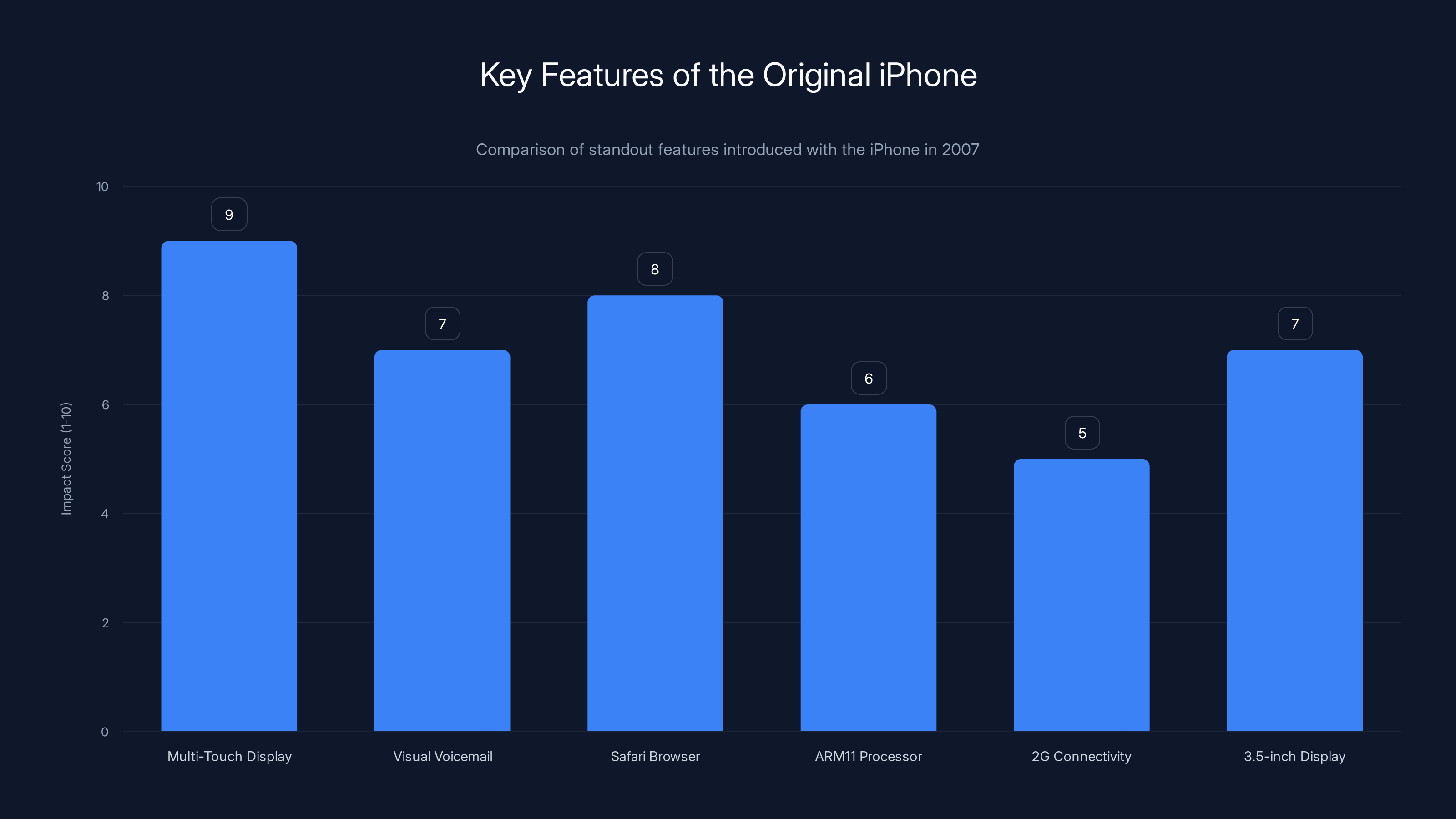
The multi-touch display had the highest impact, revolutionizing user interaction with mobile devices. Estimated data based on feature significance.
The Birth of a Revolution
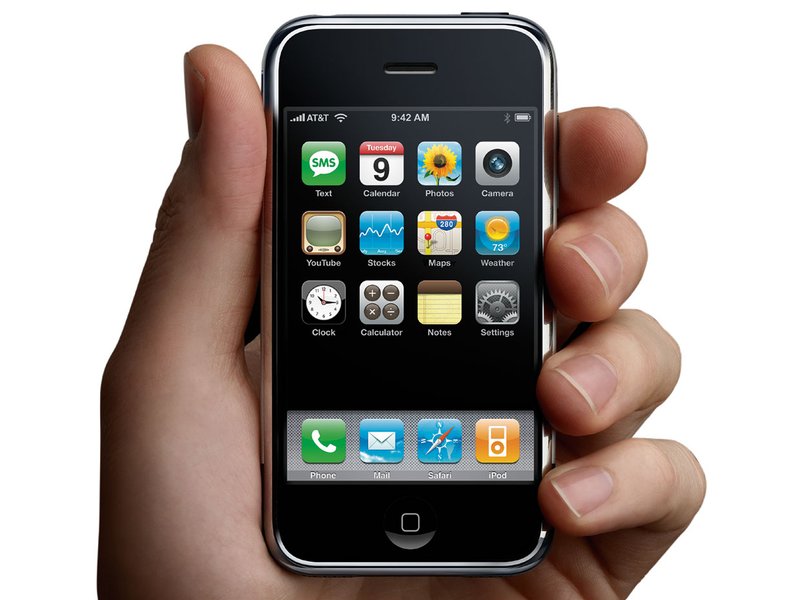
Apple's introduction of the iPhone in 2007 was more than just a new product launch. It was a paradigm shift in how we interact with technology. Steve Jobs famously described it as "an iPod, a phone, and an internet communicator," all in one device. But its significance went far beyond this triad.
What Made the iPhone Stand Out?
The iPhone's standout feature was its multi-touch interface. This was a departure from the physical keyboards and styluses that dominated the market. The ability to swipe, pinch, and tap transformed user interaction, making technology more intuitive and accessible.
Key Features Included:
- Multi-Touch Display: Enabled gestures like pinch-to-zoom.
- Visual Voicemail: For the first time, users could select which voicemail messages to listen to, rather than having to listen to them sequentially.
- Safari Browser: Brought the full web experience to a mobile device.
Technical Brilliance
Under the hood, the iPhone was a marvel of miniaturization and integration. It packed:
- An ARM11 Processor: Providing unprecedented power for a mobile device.
- 2G Connectivity: While limited by today’s standards, it was sufficient for early mobile internet experiences.
- A 3.5-inch Display: Which was considered large at the time.
The iPhone's hardware was meticulously designed to support its software, iOS, which itself was a scaled-down version of Apple's macOS.
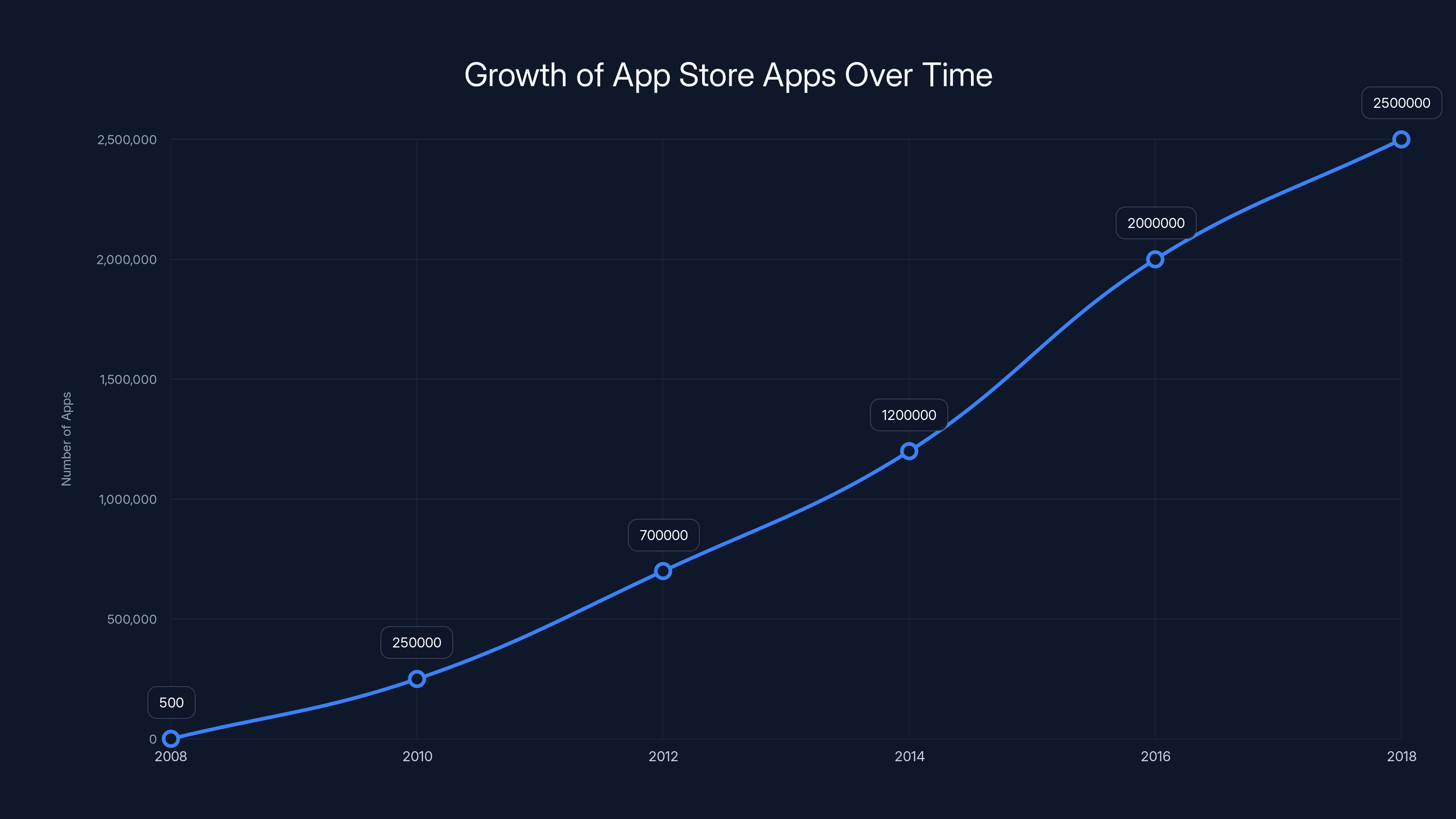
The App Store experienced exponential growth, reaching over 2.5 million apps by 2018. Estimated data based on historical trends.
Transforming Software with the App Store
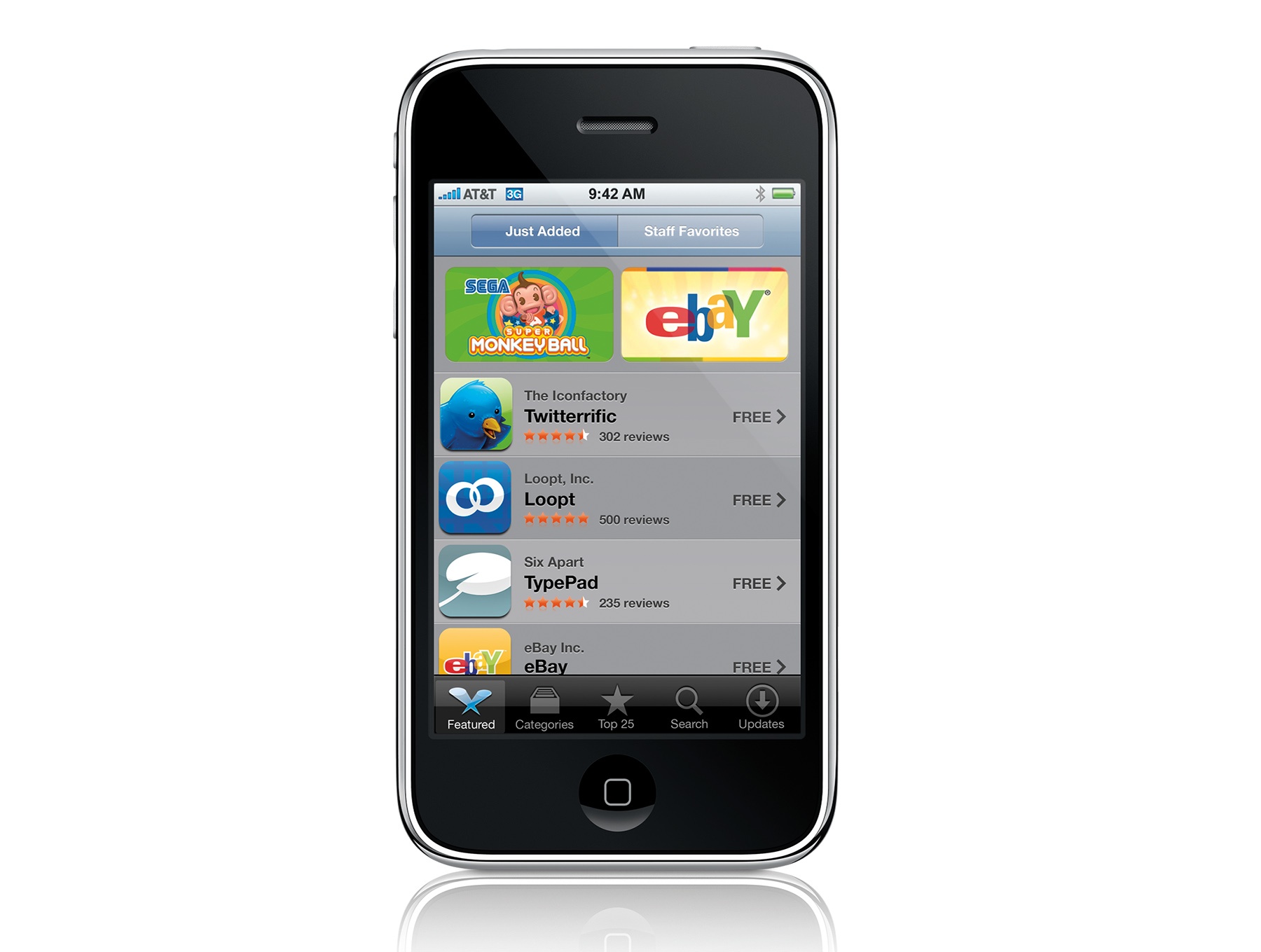
The introduction of the App Store in 2008 was a game-changer for both developers and consumers. It democratized software distribution, allowing independent developers to reach a global audience.
App Store Highlights:
- Revenue Sharing Model: Developers retained 70% of the revenue.
- Over 500 Apps at Launch: Quickly grew to over 1,000,000 apps.
- Categories: From gaming to productivity, it covered a broad spectrum of needs.
Best Practices for Developers
For developers looking to succeed in the App Store, understanding Apple's Human Interface Guidelines is crucial. These guidelines emphasize simplicity, clarity, and consistency.
Key Guidelines:
- Ensure a Consistent Experience: Apps should feel like a natural extension of iOS.
- Use System Colors and Fonts: For a cohesive look.
- Prioritize Content Over Interface: Let the content shine through.
Market Influence and Competition
The iPhone's success forced competitors to re-evaluate their strategies. Companies like BlackBerry and Nokia, which had dominated the mobile market, found themselves scrambling to catch up.
Competitive Landscape
The aftershock of the iPhone's release saw a surge in smartphone innovation. Android, Google's open-source mobile operating system, emerged as the primary competitor.
Android's Rise:
- Customizability: Offered features and flexibility that iOS didn't.
- Wider Device Range: From budget to premium, it catered to a broader market.
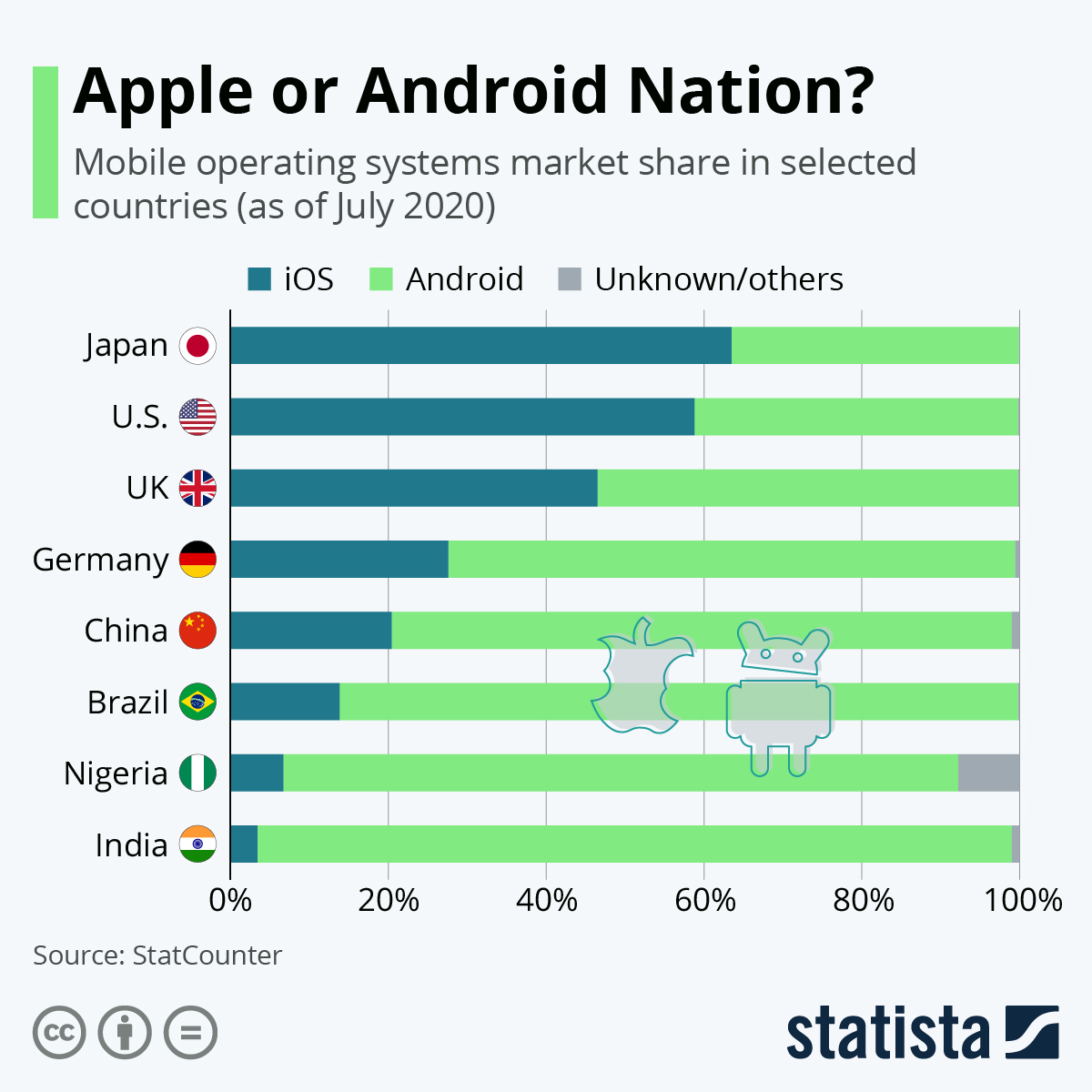
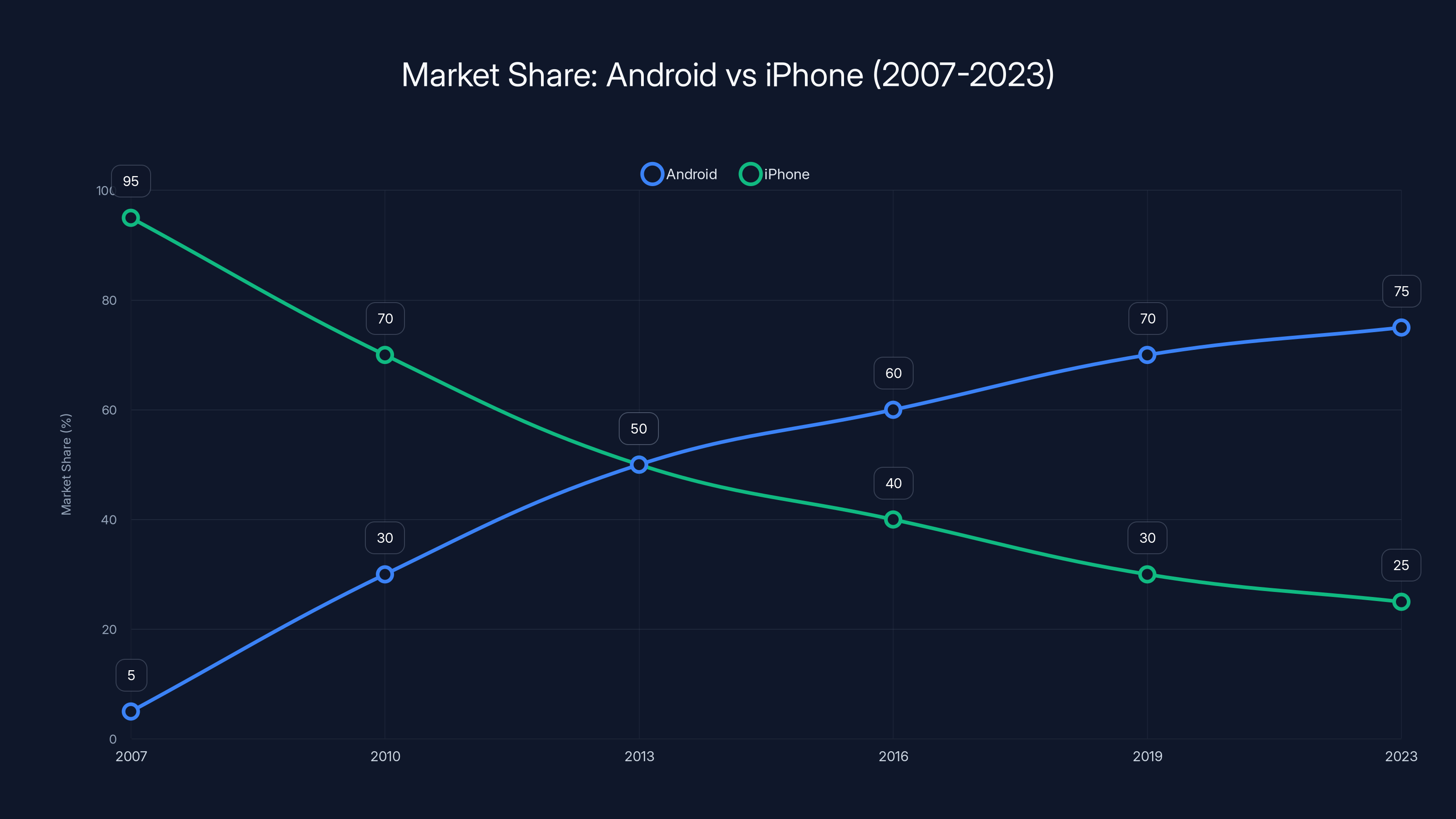
Since the iPhone's launch, Android has steadily increased its market share, surpassing iPhone due to its customizability and wider device range. (Estimated data)
Common Pitfalls and Solutions
With innovation came challenges. Developers and users alike faced new issues:
Battery Life
Early iPhones struggled with battery life, a common complaint among users.
- Solution: Apple introduced power-saving modes and improved battery technology over successive models.
App Approval Delays
The stringent App Store review process often led to delays in app releases.
- Solution: Developers learned to adhere strictly to guidelines to expedite approval.
The iPhone's Legacy
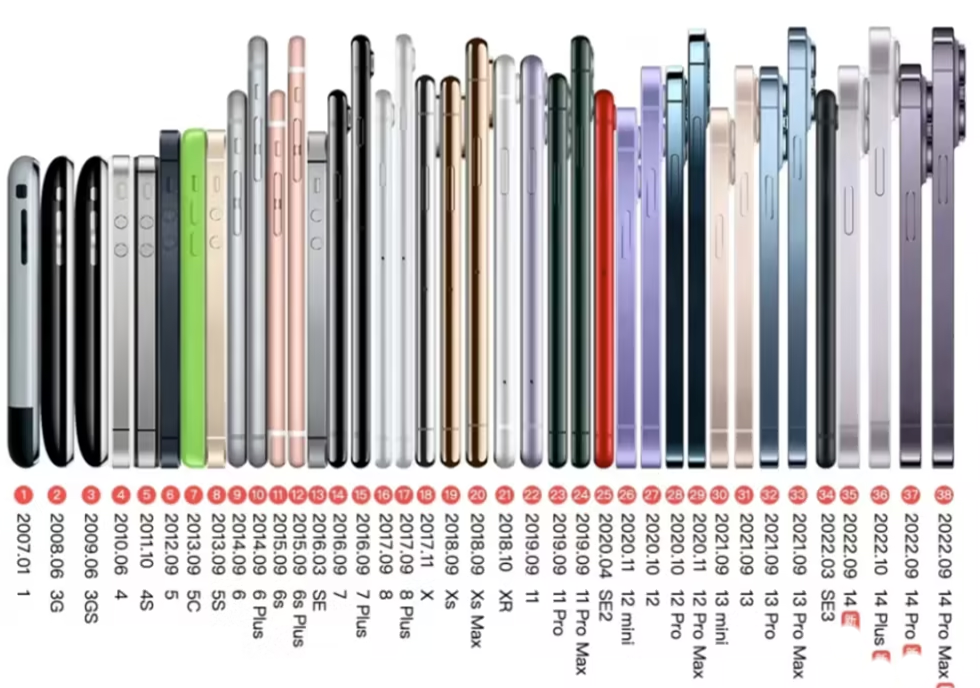
The iPhone didn't just change mobile technology; it altered consumer expectations. Users now demand seamless integration, powerful functionalities, and sleek designs in their devices.
Future Trends
Looking forward, several trends are poised to shape the future of the iPhone and mobile technology:
Augmented Reality (AR)
Apple's ARKit is paving the way for rich, immersive experiences.
Use Case:
- Retail: Virtual try-ons and in-store navigation.
Artificial Intelligence (AI)
AI continues to enhance user experiences, with Siri becoming more capable and contextual.
Implementation Guide:
- Use AI for Personalization: Tailor app experiences based on user behavior.
Health and Fitness
The integration of health monitoring features is becoming more sophisticated, with the potential for early disease detection.
Recommendations for Apple
To maintain its competitive edge, Apple should:
- Focus on Sustainability: As consumers become more environmentally conscious, sustainable practices can enhance brand loyalty.
- Enhance Interoperability: Ensuring seamless integration across devices (iPhone, iPad, Mac) will strengthen Apple's ecosystem.
- Expand Services: Leveraging its strong hardware base to push services like Apple Music and Apple TV+.
Conclusion
The iPhone's impact over the past 50 years is undeniable. It transformed not just Apple, but the entire tech industry, setting standards that competitors strive to meet. As we look to the future, the iPhone's legacy continues to influence the evolution of technology.

FAQ
What was Apple's most successful product?
The iPhone stands as Apple's most successful product, revolutionizing mobile technology and influencing countless industries.
How did the iPhone change the tech industry?
The iPhone introduced the concept of a touchscreen smartphone, led to the creation of the App Store, and redefined mobile computing.
What are the key features of the iPhone?
Key features include its multi-touch display, the App Store, and seamless integration with other Apple devices.
How has the iPhone evolved over the years?
From introducing a multi-touch interface to integrating AI and AR capabilities, the iPhone has continually adapted to technological advancements.
What challenges did Apple face with the iPhone?
Challenges included improving battery life and managing the App Store's rigorous review process.
What future trends will influence the iPhone?
Future trends include augmented reality, artificial intelligence, and enhanced health monitoring capabilities.
Why is the iPhone important to Apple?
The iPhone is crucial to Apple's identity and revenue, driving innovation and setting industry standards.
How has the iPhone impacted consumer expectations?
The iPhone has raised consumer expectations for intuitive design, powerful functionality, and seamless integration.
Key Takeaways
- The iPhone revolutionized mobile communication and computing.
- Apple's App Store transformed software distribution.
- The iPhone influenced market focus from PCs to mobile devices.
- Future trends include augmented reality and artificial intelligence.
- The iPhone set new standards for consumer expectations.
Related Articles
- Apple: Redefining Personal Computing at 50 [2025]
- Lab-Grown T-Rex Leather: The Future of Phone Cases or Just a Tech Gimmick? [2025]
- Samsung TV's New Google Cast Support: A Game-Changer for Smart Home Entertainment [2025]
- The Best Samsung Galaxy S26 Cases (2026): S26, S26+, and S26 Ultra | WIRED
- New Garmin Training Features (2026): Nutrition Tracking, Lifestyle Logging, and More [2026]
- Reddit's Evolution Beyond r/all: Navigating the Future of Online Communities [2025]


