
![AI in Sports Technology: The Complete Guide to Digital Transformation [2025]](https://tryrunable.com/blog/ai-in-sports-technology-the-complete-guide-to-digital-transf/image-1-1771662989279.jpg)
AI in Sports Technology: The Complete Guide to Digital Transformation [2025]
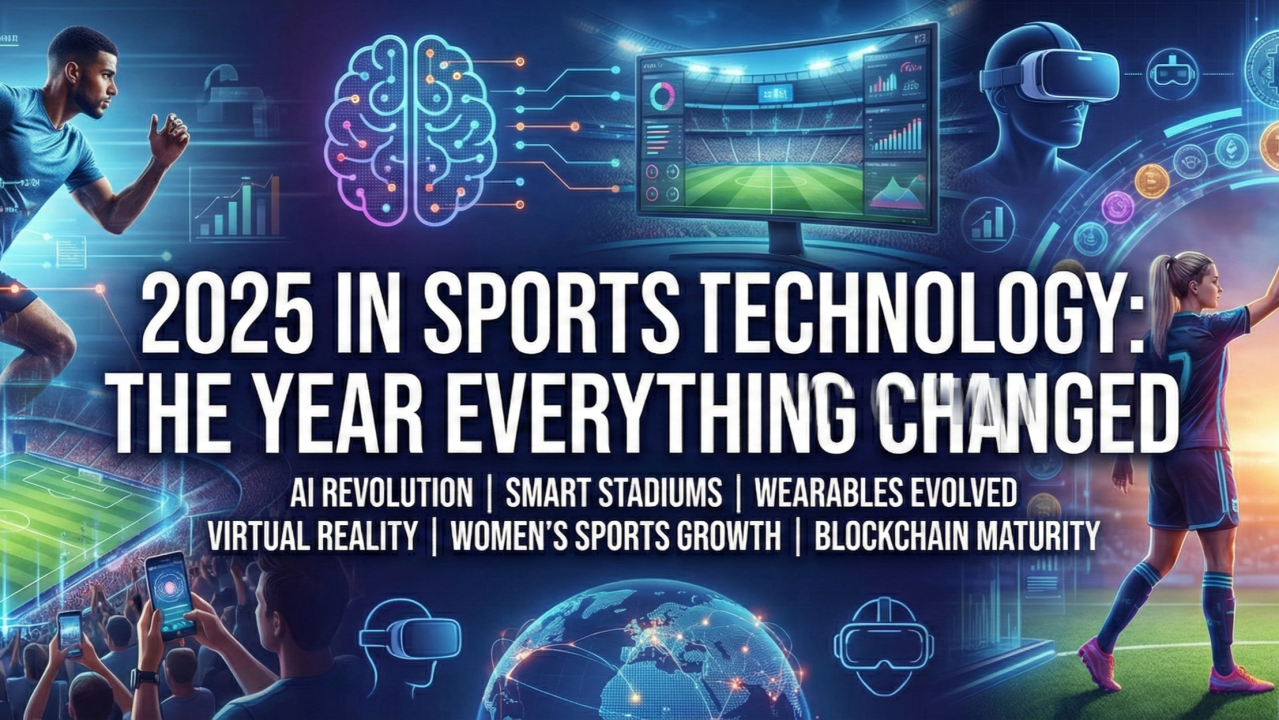
Sports and technology have finally collided in ways that matter. We're not talking about flashy gadgets or gimmicks anymore. Organizations across every level of competition are embedding AI into the core infrastructure that determines who wins, how fans experience games, and where money flows next.
The numbers tell a compelling story. Recent industry research shows that 82% of sports organizations are actively deploying AI right now. More striking? Nearly every organization surveyed—we're talking 98%—plans to expand their AI investments significantly over the next 12 months. This isn't happening slowly. This is a wholesale shift in how sports operate at every level.
What's driving this transformation? It's not just one thing. Sports leaders see AI solving real problems: identifying injury risks before they sideline athletes, analyzing performance patterns coaches miss, personalizing content for millions of fans simultaneously, and optimizing operations in ways that directly impact revenue. The technology is moving from "interesting experiment" to "competitive necessity" faster than most industries evolve.
But here's the interesting tension: while organizations know AI matters, 63% believe they need sports-specific AI solutions rather than generic enterprise software. They can't just plug in Chat GPT or use a standard analytics platform built for retail. Sports data is unique. The variables are complex. The stakes hit different when a decision might affect whether an athlete gets injured or how a team wins the championship.
This guide walks through what's actually happening in sports technology today. We'll cover the specific AI applications transforming performance, fan experiences, and business operations. You'll learn what works, where organizations struggle, and where this is all heading in the next five years. Whether you're involved in sports operations, athlete development, fan engagement, or sports tech itself, understanding this shift matters.
TL; DR
- 82% of sports organizations are currently deploying AI, with 98% planning expansion within 12 months
- Advanced data analytics will be the most significant technology impacting field performance over the next five years
- 5G and Wi-Fi connectivity improvements have the highest potential to transform at-venue fan experiences
- Sports-specific AI solutions are critical because generic enterprise tools don't address unique athletic data challenges
- AI is democratizing elite sports: affordable AI solutions are bringing performance and commercial benefits to grassroots organizations worldwide
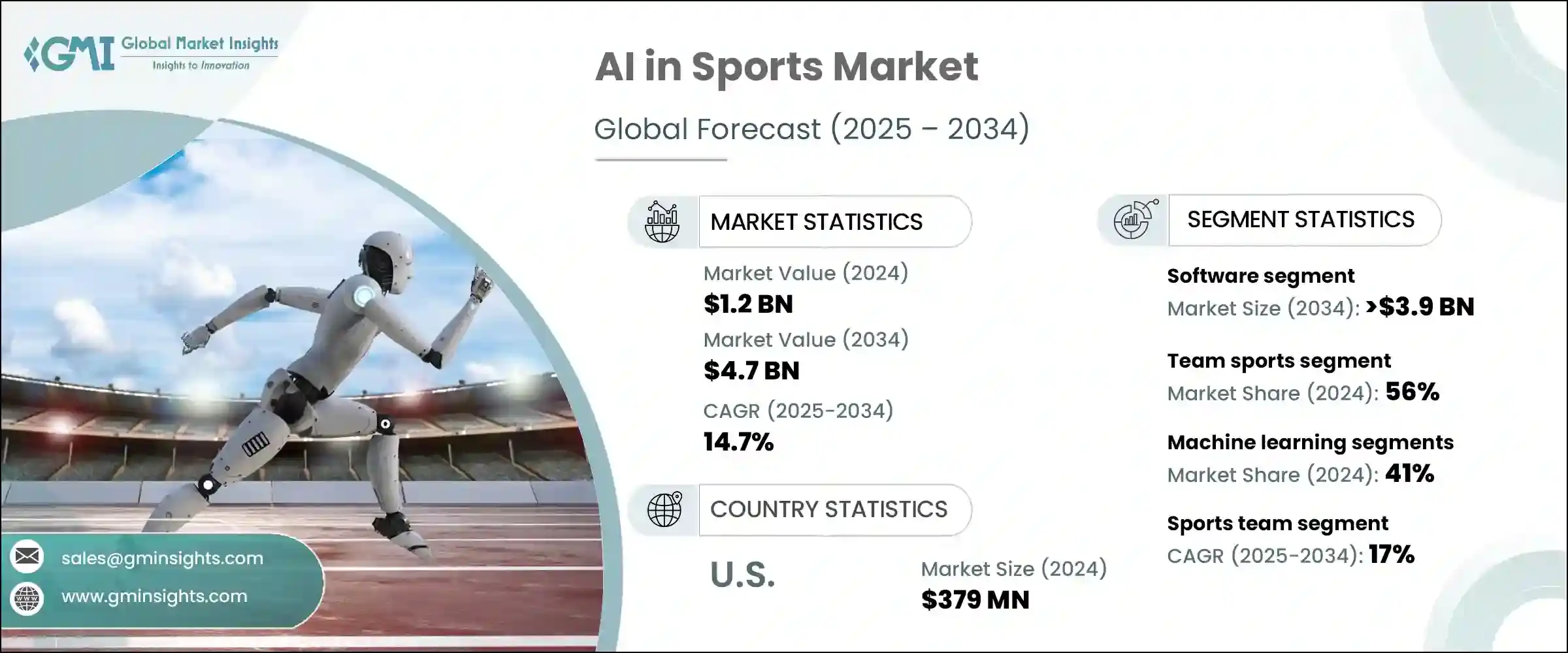
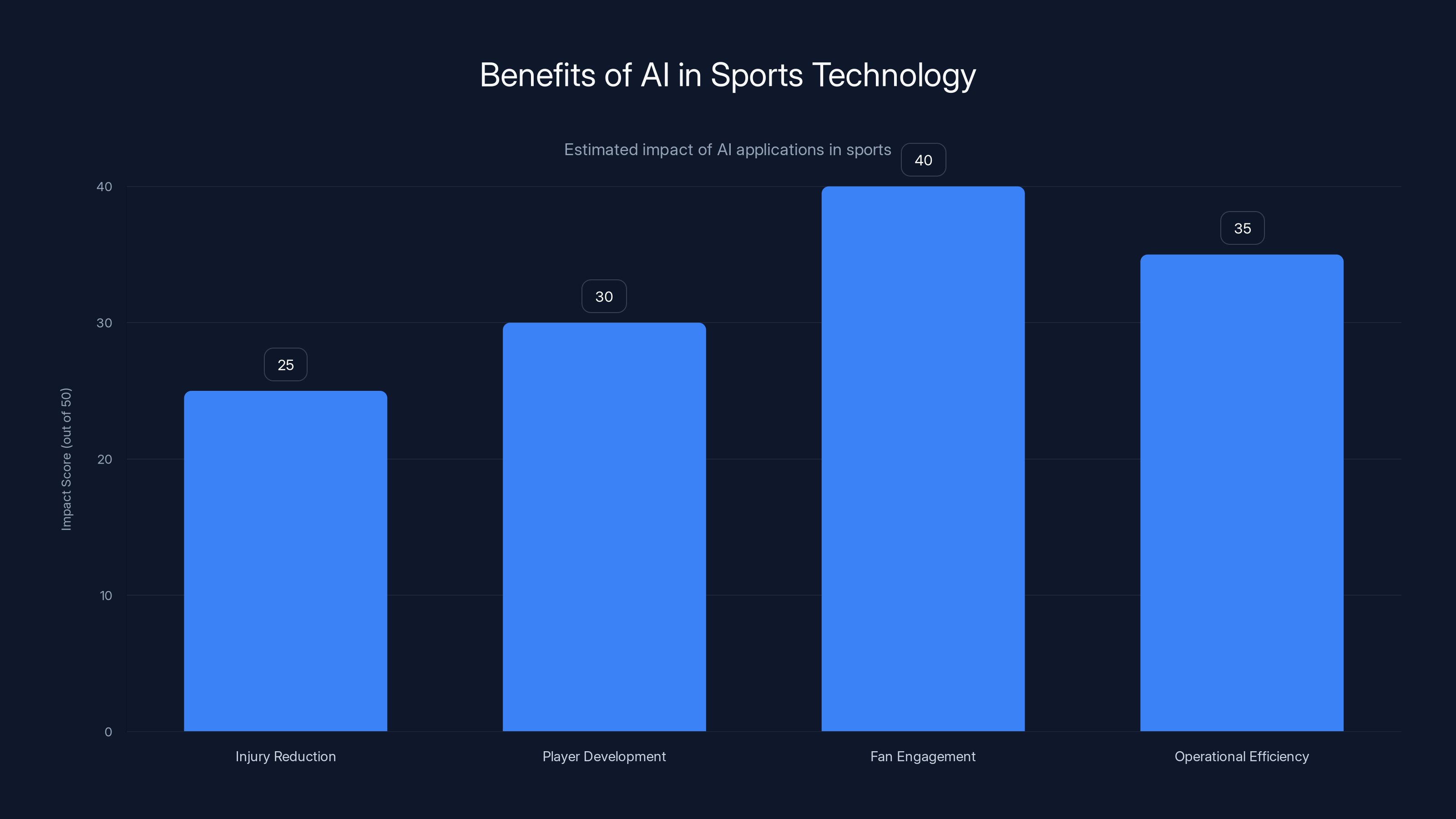
AI in sports technology significantly enhances various areas, with fan engagement and operational efficiency showing the highest estimated impact. Estimated data.
The Current State of AI in Sports Organizations
Why 82% Adoption Happened So Fast
If you'd told a sports executive in 2015 that within a decade they'd be deploying AI across multiple departments, they'd probably laugh. Back then, AI felt theoretical. Machine learning was something tech companies talked about at conferences. Sports organizations were still arguing about whether they needed good data collection systems.
What changed? The technology matured. More importantly, the problems became urgent. An NFL team realized they could use AI to predict which players were most likely to suffer ACL tears—catching injuries before they happen saves millions in salary cap, player development time, and team performance. A soccer league recognized that AI could analyze every frame of game footage automatically, flagging moments for human review that would take human analysts weeks to find. A basketball franchise discovered that personalized fan recommendations powered by AI could increase merchandise revenue by millions annually.
These weren't hypothetical benefits. They were measurable, real, happening now. Once a few organizations proved the ROI, others couldn't ignore it. If your competitor is using AI to identify talent you're missing, you're suddenly at a disadvantage.
The adoption curve accelerated because of three converging factors. First, cloud computing made expensive infrastructure accessible. A small-market baseball team doesn't need a million-dollar data center anymore—they can access powerful AI tools through subscription services. Second, pre-trained AI models reduced implementation complexity. Instead of training models from scratch, organizations use existing frameworks built specifically for sports data. Third, proven success stories created urgency. Once one team in a league started winning using AI-driven insights, others had to follow or fall behind.
The Readiness Gap: Confidence vs. Capability
Here's the interesting disconnect: 80% of sports organizations think the technology industry is well-equipped to serve them. But in the same study, 63% say they need better, more sports-specific tools. These aren't contradictory findings. They reflect a real problem.
Generic AI platforms and analytics tools were built for finance, retail, or healthcare. Sports data is fundamentally different. When you're analyzing customer behavior in an e-commerce platform, the patterns are relatively predictable. Customers see something, they buy or don't buy. The variables are limited.
In sports, you're dealing with biological systems (humans) performing under extreme conditions, competing against other biological systems, influenced by psychology, injuries, weather, and dozens of other factors. An AI system built for retail inventory doesn't know how to weight the significance of a player returning from a knee injury. It doesn't understand the game strategy implications of roster composition. It can't account for the fact that a seemingly minor change in footwork might prevent or cause a catastrophic injury.
This is why we're seeing a boom in sports-specific AI companies and why traditional sports organizations are increasingly turning to specialized vendors. Generic tools can handle the basics—basic statistics, simple classifications. But competitive advantage in sports comes from insights that non-sports-focused AI systems miss entirely.
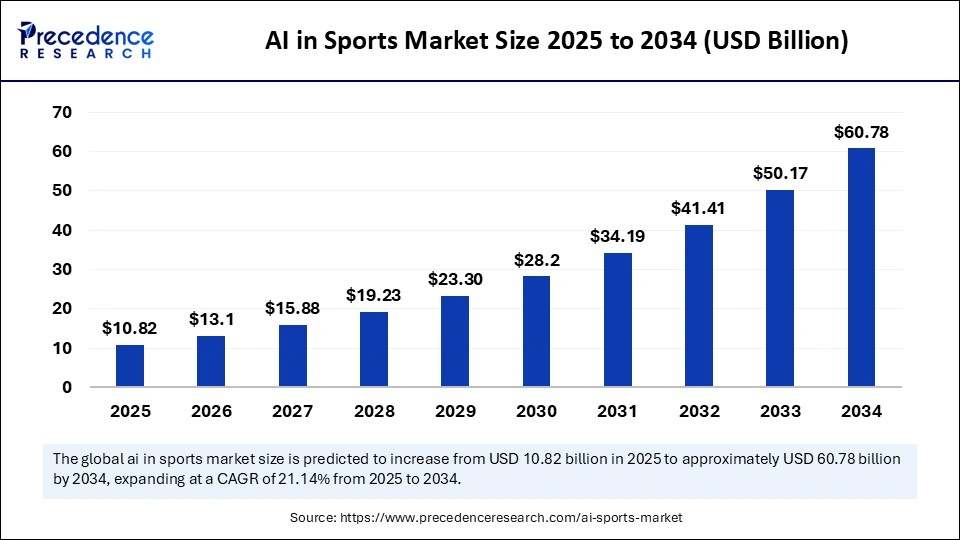
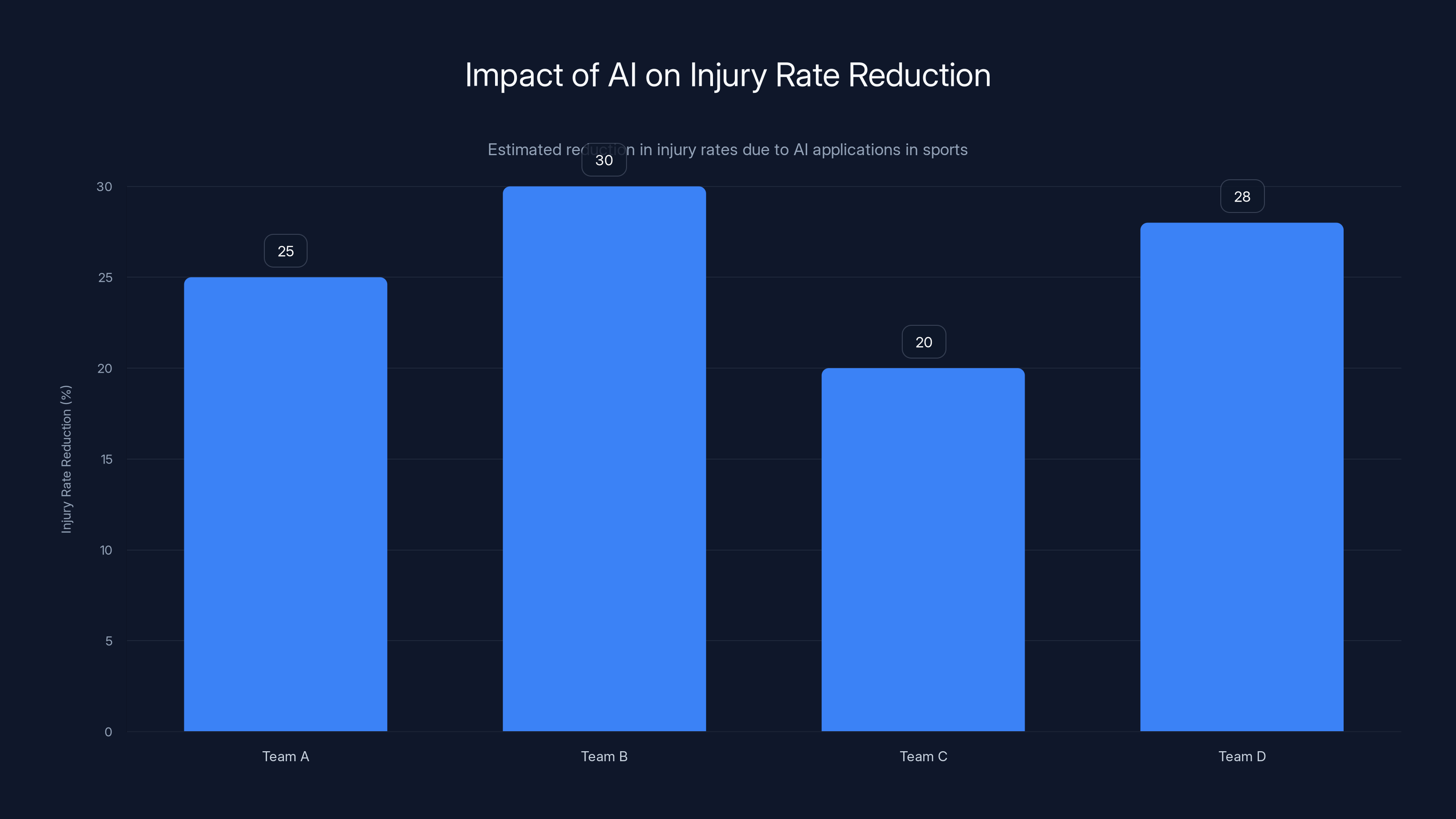
AI applications in sports have led to an estimated 20-30% reduction in injury rates, significantly impacting team performance and player safety.
AI Applications in Athletic Performance and Injury Prevention
Predictive Injury Analysis: The Game-Changing Application
Injuries are the silent killers of sports performance. A single torn ACL can cost a professional franchise $20-30 million in salary, lost performance, and replacement player costs. For a young athlete with potential, a serious injury can end their career entirely. Even minor injuries compound over a season—a player operating at 85% capacity because of a nagging hamstring issue affects their performance in small, measurable ways.
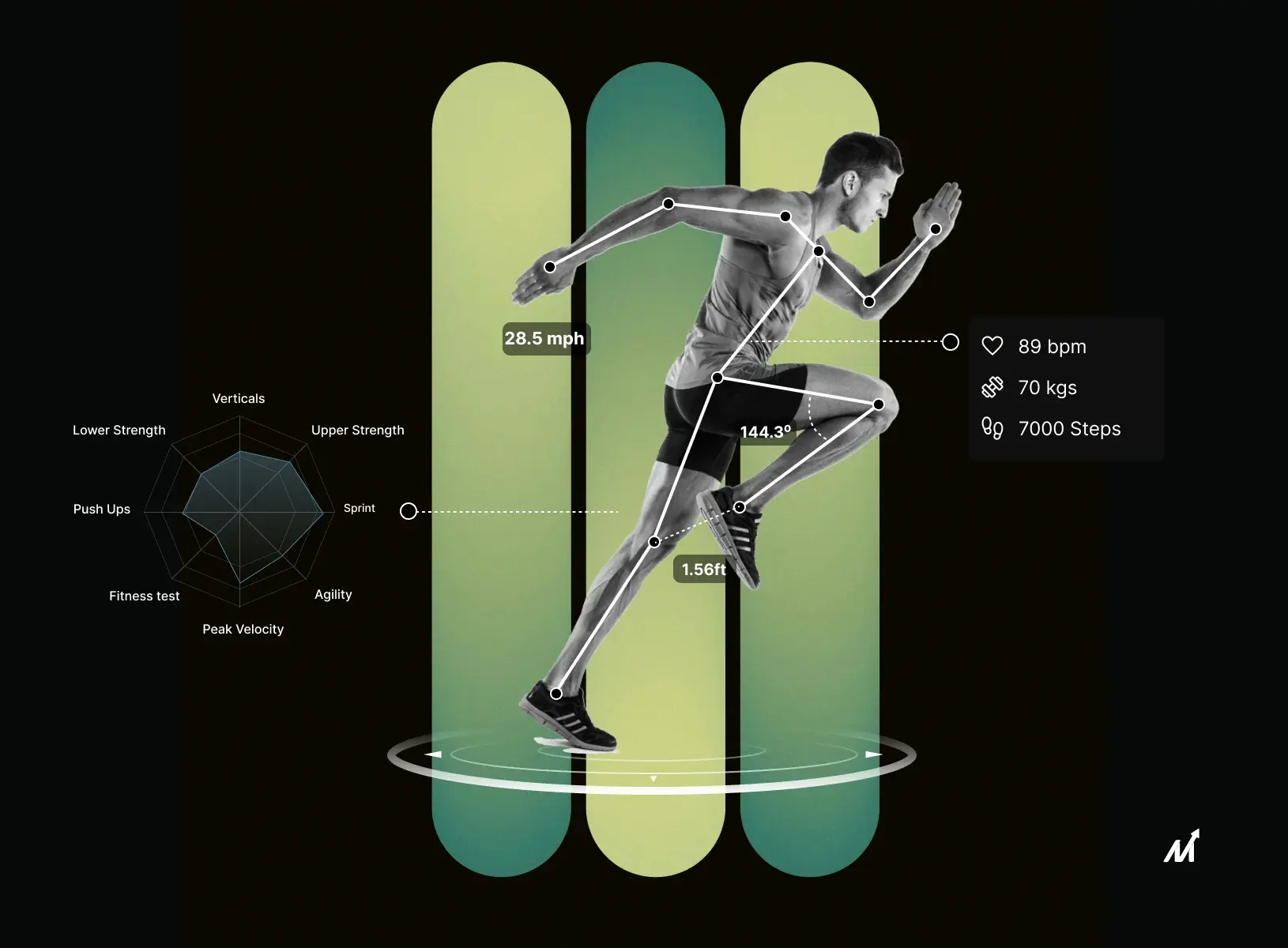
AI-powered injury prediction changes this calculus entirely. Systems that monitor movement biomechanics can identify patterns indicating vulnerability. High-speed cameras track joint angles, movement efficiency, and compensation patterns. Accelerometers measure impact forces. Machine learning models trained on thousands of athletes learn which specific patterns preceded injuries.
The breakthrough moment came when researchers realized they could use wearable sensors combined with AI to create real-time risk assessments. A player enters the field. Their movement data streams continuously to an AI system. The system compares their current biomechanics to their baseline and to injury-risk patterns in the database. If they start showing concerning patterns—increased knee valgus during cutting movements, compensation patterns indicating a muscular imbalance, elevated impact forces—the system alerts coaching staff before the injury happens.
Some professional teams report that these systems have reduced injury rates by 20-30% through early intervention. That's massive. That's the difference between a 10-win season and a 12-win season in a contact sport. That's a championship-caliber player staying healthy enough to perform when it matters most.
The second-order benefits matter too. Athletes feel safer knowing the organization is actively monitoring their wellbeing. Recovery decisions get smarter—AI can recommend when a player is actually ready to return rather than relying on calendar dates and subjective assessments. Load management becomes data-driven rather than coach-intuition-driven.
Biomechanical Analysis and Performance Optimization
Watching an elite athlete perform looks effortless. They make it look easy because they've optimized every movement to eliminate wasted energy and maximize output. But identifying those micro-optimizations? That requires analyzing movements frame-by-frame and understanding the physics underneath.
AI systems now do this automatically. High-speed video (120-240 frames per second) captures athletic movements. Computer vision models identify joint positions, body angles, and movement trajectories. Machine learning models learn what distinguishes elite performance from adequate performance at the same position.
A tennis player's serve involves hundreds of variables: racket angle, wrist snap timing, leg drive power, shoulder rotation sequence, core engagement. An AI system can watch 1,000 professional serves and identify the specific movement patterns that correlate with maximum velocity, accuracy, and spin control. Then it can watch that player's serves and identify specific micro-adjustments that would improve performance.
The applications extend across every sport. Baseball pitchers get feedback on arm slot consistency and release point. Swimmers see exactly where their stroke loses efficiency. Gymnasts understand the precise rotational timing that separates a stuck landing from a fall. Golfers receive feedback on club path and impact dynamics that explain miss patterns.
What makes this transformational is the speed and detail of feedback. A human coach might spot that a basketball player's shooting form is off. An AI system can show exactly which joints deviated, by how many degrees, and at which point in the shooting motion, then provide corrective exercises.
Advanced Data Analytics: The Foundation of Modern Sports
How 78% of Organizations Prioritize Analytics for On-Field Impact
Data analytics in sports isn't new. Teams have tracked statistics forever—points scored, rebounds grabbed, passing yards accumulated. What changed is volume and sophistication.
A modern professional sports organization captures terabytes of data daily. Every player movement tracked by computer vision systems. Every biometric reading from wearables. Every training metric. Every game event. Every fan interaction. The challenge isn't collecting data anymore—it's processing it fast enough to extract meaningful insights.
When 78% of sports organizations identify advanced analytics as having the most significant impact on field performance in the next five years, they're not talking about better box scores. They're talking about AI systems that process this massive data volume and surface insights that directly influence who plays, how they play, and what strategies work.
Here's a concrete example: Player valuation in sports has evolved dramatically. Twenty years ago, teams relied heavily on scouting reports and basic statistics. An agent would claim their client was "underrated." A team would look at stats and either agree or disagree. It was subjective.
Now? Advanced analytics models account for context that raw stats miss. A player's performance in high-pressure moments versus low-pressure situations. Their efficiency when teammates are healthy versus injured. Their contribution to team outcomes that extends beyond their individual stats. An AI system can say with remarkable precision: "This player provides $8.2 million in value per season based on their contribution to team win probability."
This transforms roster decisions, contract negotiations, and trade evaluations. It also dramatically changes how young players are developed. Instead of coaches relying on intuition about player potential, analytics can identify specific skill gaps and recommend targeted development approaches.
Real-Time Decision Support During Competition
The highest-stakes moment in sports is during competition. Coaches have seconds to make decisions that affect game outcomes. A timeout decision. A substitution. A tactical adjustment. These decisions determine careers and championships.
AI systems are now providing real-time analysis that coaches previously had no access to. During a game, AI systems process current game state (score, time, down, field position, personnel on field) and historical data (what this team does in this situation, how this matchup has played out, success rates of different strategies) and surface the optimal play with win probability calculations.
A football coach gets a notification: "Given current down, distance, field position, and remaining time, running the ball has a 58% win probability; passing has a 52%." An NBA coach sees: "This lineup has a +8.3 net rating this season. Substituting player X maintains +8.1. Substituting player Y drops to +2.4." A soccer manager understands: "Your team has a 67% win probability with current formation. Switching to a more aggressive formation increases to 72% but increases opponent shot expectancy by 15%."
The key insight is that these aren't just statistics—they're decision support with context. The AI doesn't decide. Humans do. But they decide with better information in real-time.
Implementation requires significant technical infrastructure. Game data has to flow into the system in real-time. The AI models have to process enormous historical datasets. The outputs have to be communicated clearly enough that coaches can act on them during a game. But the benefits justify the complexity: teams using real-time decision support report measurable improvements in in-game decision quality and outcomes.

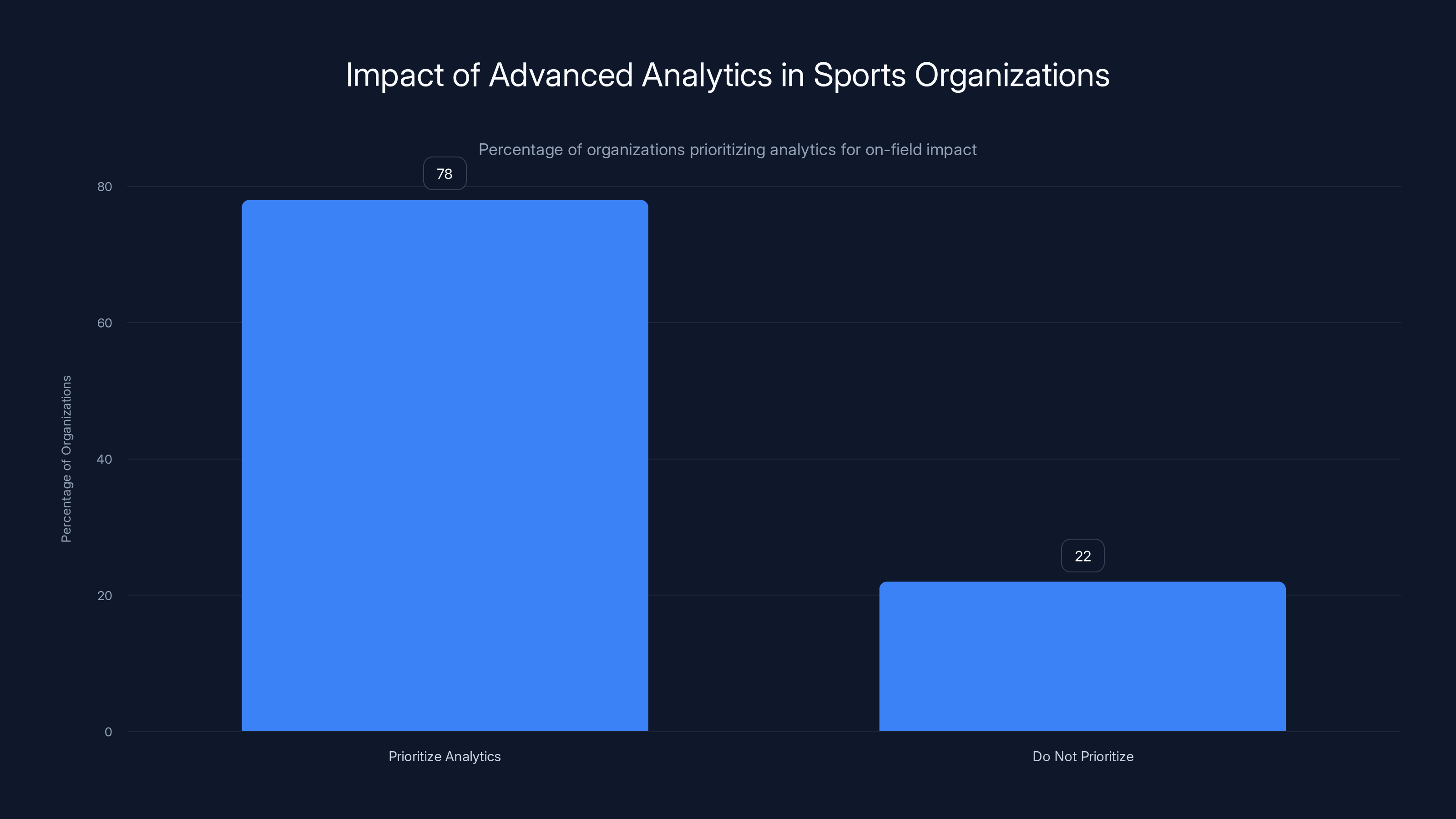
78% of sports organizations prioritize advanced analytics for improving on-field performance, highlighting the critical role of data in modern sports.
5G and Connectivity: Enabling the At-Venue Experience Revolution
Why 57% of Organizations Prioritize Enhanced Connectivity
Fans attend sports for the experience. They could watch on TV. But the at-venue experience is different. The energy. The crowd. The feeling of being present for something that matters. Yet traditional stadiums often offer terrible connectivity.
You're in a stadium with 70,000 other people, all on their phones. The cellular network is congested beyond practical use. You can't upload videos. Live stats take 30 seconds to load. Augmented reality features don't work. Ordering food through an app fails. The one moment you'd actually use technology to enhance your experience, it doesn't work.
57% of sports organizations identify enhanced 5G and Wi-Fi connectivity as having the highest potential to transform at-venue experiences. This makes sense once you understand what's possible with actually reliable, high-capacity connectivity.
With robust stadium connectivity, fans can stream multi-angle replays immediately. They can use AR applications that overlay player stats, historical moments, or real-time analytics on the field. They can order concessions and have them ready for pickup, dramatically reducing friction. They can participate in real-time polling or competitions. They can experience personalized content based on their preferences.
The technology also enables other capabilities. Teams can use beamforming technology to create localized high-bandwidth zones. In premium seating areas, connectivity might be orders of magnitude better than general seating. This creates differentiation that justifies premium pricing.
From an operational perspective, enhanced connectivity enables stadium staff to use mobile technology effectively. Maintenance staff can receive real-time alerts about facility issues. Ushers can access crowd management information. Security teams can communicate seamlessly. Vendors can process transactions instantly.
The Competitive Advantage of Superior At-Venue Tech
Stadiums are increasingly seeing technology as a competitive asset. When one stadium offers significantly better connectivity and experiences, fans prefer attending there. Players prefer competing there. Sponsors invest more heavily.
This has real financial implications. A stadium that significantly enhances the fan experience through technology can increase attendance. Premium seating sells better. Concession revenue improves when ordering is frictionless. The enhanced experience creates more shareable moments that drive social media engagement, which drives future ticket sales.
The technology also affects athlete performance. Venues with superior facilities—better medical technology, superior training environments, optimal playing surface technology—attract higher-caliber athletes. This compounds competitive advantage.
AI-Driven Fan Engagement and Revenue Optimization
Personalization at Scale: The Fan Data Opportunity
Every interaction a fan has with a sports organization generates data. They buy a ticket. They comment on social media. They watch games on streaming platforms. They purchase merchandise. They consume video content. They engage with team apps. This data, processed through AI, reveals what that specific fan cares about.
Traditional sports marketing treated fans as segments. "Fans over 50." "Young parents." "Hardcore enthusiasts." These categories were useful but crude. Within each segment, preferences varied dramatically.
AI personalization goes deeper. An AI system understands that a specific fan cares most about defensive excellence, watches slow-motion replays of defensive stands, follows defensive player social media, and has previously purchased defensive player merchandise. That fan receives different content recommendations, notifications, and offers than a fan interested primarily in offensive highlights.
The scale of personalization matters. A sports organization might have millions of fans. Human teams can't personalize at that scale. AI can analyze each fan's interaction patterns and tailor every touchpoint.
Implementation looks like this: A fan visits the team's app. The AI remembers that they prefer certain player highlights. It recommends similar highlights from recent games. When the team offers new merchandise, AI segments fans and shows each segment products aligned with their demonstrated preferences. When choosing which game moment to promote on social media, AI predicts which moments will drive engagement from different audience segments.
The revenue implications are substantial. A
Dynamic Pricing and Revenue Management
Traditional ticket pricing in sports was relatively static. Season ticket prices were set. Playoff tickets had a premium. Game-day ticket price adjustments were manual and crude. Organizations left enormous amounts of money on the table because they couldn't dynamically adjust prices based on demand.
AI-driven dynamic pricing changes this. An AI system considers dozens of variables: day of week, opponent strength, playoff implications, weather forecast, historical demand patterns, available inventory at different price points, trending social media sentiment about the matchup, and countless other factors. It calculates the optimal price for each ticket at each moment to maximize revenue.
Unlike airline dynamic pricing (which drives travelers crazy when prices spike), sports dynamic pricing feels reasonable because the variables people care about directly correlate with value. A playoff game with playoff implications is worth more. A sunny Saturday draws more demand than a rainy Thursday. A matchup against a rival generates more interest.
The AI system can get remarkably specific. It understands that seats in certain sections at certain price points have different demand elasticity. It knows which customer segments are price-sensitive and which prioritize convenience. It can optimize for maximum revenue or for maximum attendance depending on organizational goals.
Fan experience improves too, counterintuitively. When prices rise, they rise when demand is highest, which means the experience is premium—full stadium, energetic crowd. When prices fall, it's often for less-desirable conditions, which the reduced price acknowledges. Fans don't feel taken advantage of because the pricing is logical and transparent.
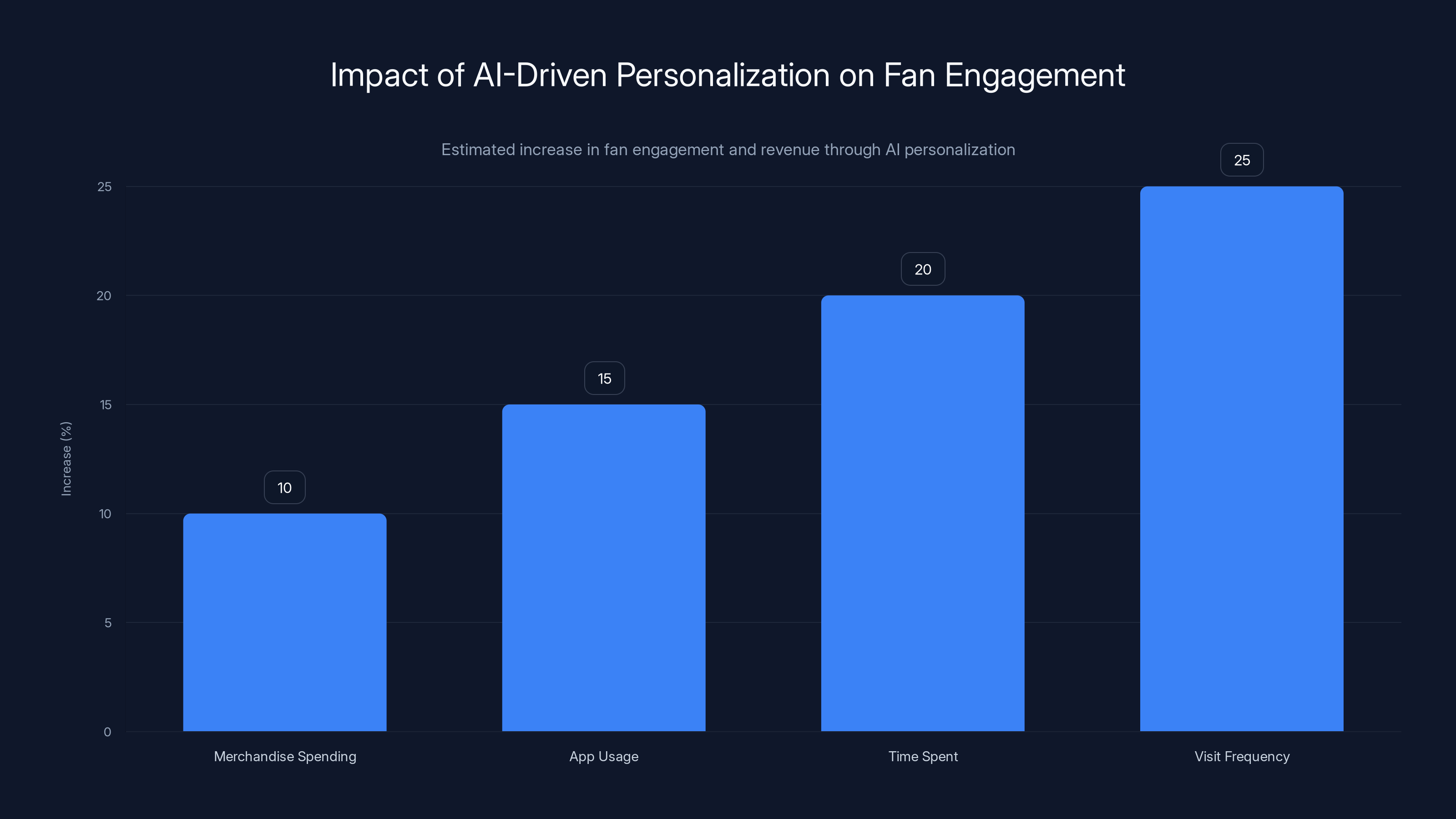
AI-driven personalization can significantly boost fan engagement metrics, leading to increased revenue. Estimated data shows potential increases in merchandise spending and app engagement.
Operational Efficiency and Cost Management Through AI
Facility Management and Maintenance Optimization
Modern sports venues are enormously complex. A major stadium has thousands of systems: HVAC, electrical, plumbing, security, fire suppression, communication, lighting, video displays. Each system has hundreds of components. The cost of maintaining all these systems is enormous. The cost of system failures during games is catastrophic.
Traditional maintenance was either scheduled (replace components on a fixed calendar regardless of actual wear) or reactive (fix things when they break). Both approaches are inefficient. Scheduled maintenance replaces components that still have useful life, wasting money. Reactive maintenance causes failures at the worst times.
AI-enabled predictive maintenance changes this. Sensors throughout facility systems report operating conditions. AI models trained on failure patterns learn what sensor readings indicate imminent failure. A pump's vibration patterns shift slightly. An electrical system experiences minor voltage fluctuations. A cooling system's efficiency drops 2%. These are early warning signs that a system needs attention.
Facility managers receive alerts about systems that need maintenance before they fail. They can schedule maintenance during off-hours or between events, preventing game-day failures. They can order replacement parts in advance, reducing downtime. They can prioritize maintenance work based on failure risk, focusing resources where they matter most.
Organizations implementing predictive maintenance report 15-30% reductions in emergency repairs, significant reductions in system downtime, and extended equipment lifespan. For a large venue, this represents hundreds of thousands of dollars in annual savings.
Workforce Optimization and Scheduling
Stadiums employ hundreds of people across multiple shifts. Ushers, security, maintenance, food service, cleaning, medical staff, administrative staff. Scheduling this workforce traditionally was a manual process: managers made educated guesses about staffing needs based on historical experience and intuition.
AI can optimize this dramatically. An AI system understands crowd flow patterns, expected attendance, event-specific staffing requirements, and individual staff availability and preferences. It can generate optimal schedules that:
Minimize labor costs by right-sizing staffing for predicted demand. A game expected to draw 45,000 fans needs different staffing levels than one expected to draw 65,000. Improve employee satisfaction by accommodating preference and availability constraints while meeting operational needs. Reduce overtime by distributing work more evenly. Improve safety by ensuring adequate coverage for peak-risk periods. Enhance fan experience by positioning staff where customers need help most.
The scheduling system learns over time. If it predicted staffing for a certain game type and turned out to be wrong, it adjusts its model. This continuous learning makes predictions increasingly accurate.
The Challenge: Sports-Specific AI Development Needs
Why Generic Enterprise AI Falls Short
When the research found that 63% of sports organizations believe they need more sports-specific technologies, this reflected a real gap. Generic enterprise AI platforms were built to solve generic business problems. Customer relationship management. Supply chain optimization. Sales forecasting. Financial analysis. These are important, but they don't address problems unique to sports.
Consider injury prediction as an example. A generic machine learning platform can handle classification problems—given data about a person, predict if they'll be injured or not. But what makes sports injury prediction unique? You need to understand:
Biomechanics—the physics of how human bodies move and the forces they absorb. Sports-specific injury mechanisms—an ACL tear in basketball has different causes than one in soccer. Individual variation—athletes with different body types and movement patterns have different injury risk profiles. Temporal patterns—injuries cluster around certain times in seasons or training cycles. Context—the same movement in practice versus competition creates different injury risk.
A generic AI system doesn't have this knowledge built in. You'd have to train it from scratch, which requires expensive data collection and expert annotation. Sports-specific AI systems start with domain knowledge already embedded, dramatically reducing training time and improving accuracy from the start.
This is why specialized sports tech companies are proliferating. They understand problems in depth. They have sports domain experts designing systems. They're building AI specifically for sports use cases.
The Path to Better Sports-Specific Solutions
The gap between available tools and organizational needs is closing, but not fast enough for some organizations. What would better sports-specific AI look like?
First, it would be trained on sports data from the start. Not finance data adapted for sports. Not healthcare data repurposed for athletics. Actual sports movement, performance, and outcome data. This requires collaboration between tech companies and sports organizations to share data while protecting competitive advantages.
Second, it would understand context and constraints unique to sports. Off-season availability for training. Competition schedules. Rule structures. Athlete psychology. Fan behavior. Strategic depth. AI systems that don't understand these constraints generate recommendations that sound good in theory but fail in practice.
Third, it would be continuously updated as sports evolve. Playing styles change. Rules change. Technology evolves. Sports-specific AI needs to adapt quickly. This requires partnerships with sports organizations that provide regular feedback.
Fourth, it would integrate across the entire organization—from player development to fan engagement to business operations. Most sports organizations use multiple AI systems that don't talk to each other. Better integration would surface insights that single-system approaches miss.
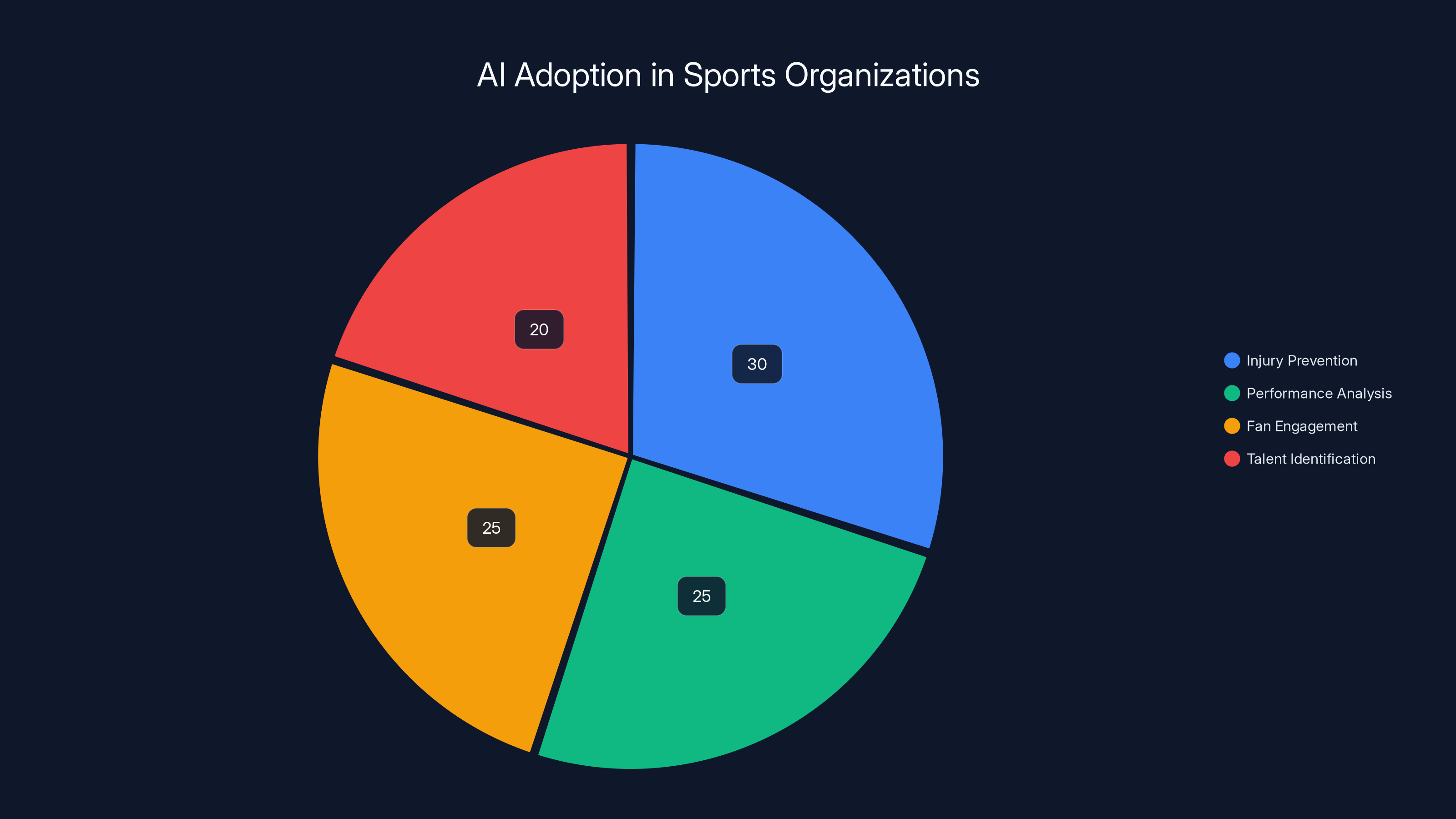
Injury prevention, performance analysis, and fan engagement are the leading areas where AI is applied in sports organizations, with injury prevention being the most significant. Estimated data.
The Democratization Effect: AI Making Elite Capabilities Accessible
How Affordable AI Brings Grassroots Transformation
Here's the aspect of this transformation that gets overlooked: it's democratizing elite sports capabilities. Historically, only the richest organizations could afford cutting-edge sports science. A major professional team could spend millions on biomechanical analysis, injury prevention, player development, and analytics.
A college team had fewer resources. A high school team? Essentially none of these capabilities. A grassroots youth program? Completely inaccessible. This created massive disparities in which young athletes got access to the best development approaches and which didn't.
AI, combined with affordable cloud infrastructure, is changing this equation. An AI-powered injury prevention system that cost
This matters enormously for equity in youth sports. Talented athletes in under-resourced communities now have access to the same injury prevention tools as athletes in wealthy areas. Coaches with limited formal training can access AI-powered coaching recommendations that surface insights they'd otherwise miss.
The long-term implications are significant. The talent identification pool expands. More athletes get access to development tools that help them reach their potential. Performance improves across the board as more organizations have access to cutting-edge methods.
For the sport itself, this benefits everyone. More athletes reach elite level because they had access to better development. Competition improves. Records fall. The sport overall gets better.
The Accessibility Challenge Remaining
Democratization is happening, but unevenly. Organizations with strong tech infrastructure and staff who understand data can implement AI systems effectively. Organizations without these prerequisites struggle.
A major barrier is technical expertise. Even with user-friendly tools, implementing and maintaining AI systems requires people who understand data, systems, and technology. Many sports organizations lack this expertise. They have athletic people and sports people. They don't have tech people.
This creates a secondary opportunity: AI system providers who can handle implementation, training, and ongoing support. The organizations winning with AI often aren't the ones building it themselves. They're the ones who find good partners to implement proven solutions.
Future Outlook: What's Next for AI in Sports
The 5-Year Prediction: AI as Standard Operating Procedure
When 72% of sports organizations identify AI as the technology with the greatest potential for their organization in the next five years, they're essentially predicting that AI becomes the default way sports operate. It won't be a differentiator anymore. It'll be table stakes.
Where will we see the biggest evolution? Several areas stand out.
Autonomous coaching systems will become more sophisticated. AI that doesn't just analyze performance but actively coaches—identifying specific technique issues and recommending corrective drills. Human coaches will evolve into "AI-assisted coaches" who leverage AI insights but bring human judgment and psychology expertise.
Real-time biological monitoring will go beyond current wearables. Implantable sensors and non-invasive measurement technologies will provide unprecedented detail about athlete physiology. AI will analyze this data in real-time, not just for injury prevention but for performance optimization and recovery management.
Predictive game theory will advance dramatically. AI systems will model not just how individual players perform but how teams dynamically respond to strategies. They'll predict not just the probability of outcomes but the strategic approaches teams will use and how those strategies counter each other.
Fan engagement will become almost entirely AI-personalized. The experience of watching a game will be different for each fan based on their preferences, history, and predicted interests. Some fans will see different replays, hear commentary focused on different aspects, and receive different real-time statistics.
Athlete development will shift from age-based progression to AI-determined readiness. Rather than athletes advancing based on age or arbitrary skill assessments, AI will identify exactly which skills they need to develop next and personalized training to develop them.
Potential Challenges and Resistance
Not all evolution is smooth. Several challenges will likely slow adoption or create friction.
Privacy and surveillance concerns will grow as monitoring becomes more detailed. Athletes increasingly will question how much data about their bodies should be collected and who should have access to it. This creates tension between performance optimization (which benefits from maximum data) and athlete autonomy and privacy.
Algorithmic bias in sports AI could create unfair advantages or perpetuate existing inequities. If AI systems are trained primarily on data from certain body types or movement patterns, they might perform poorly for athletes who don't fit these patterns. This could disadvantage some athletes in talent evaluation or training recommendations.
Over-reliance on AI and loss of human coaching wisdom is a real risk. AI is powerful for certain types of analysis, but coaching involves psychology, motivation, and understanding human development that AI doesn't fully capture. The best approach involves human judgment informed by AI, not AI-directed with human implementation.
Game integrity questions will arise. If AI-assisted coaching provides such a large advantage, is the competition fair? Do rules need to evolve to keep AI from fundamentally changing what sports are? These are questions sports governing bodies will need to address.

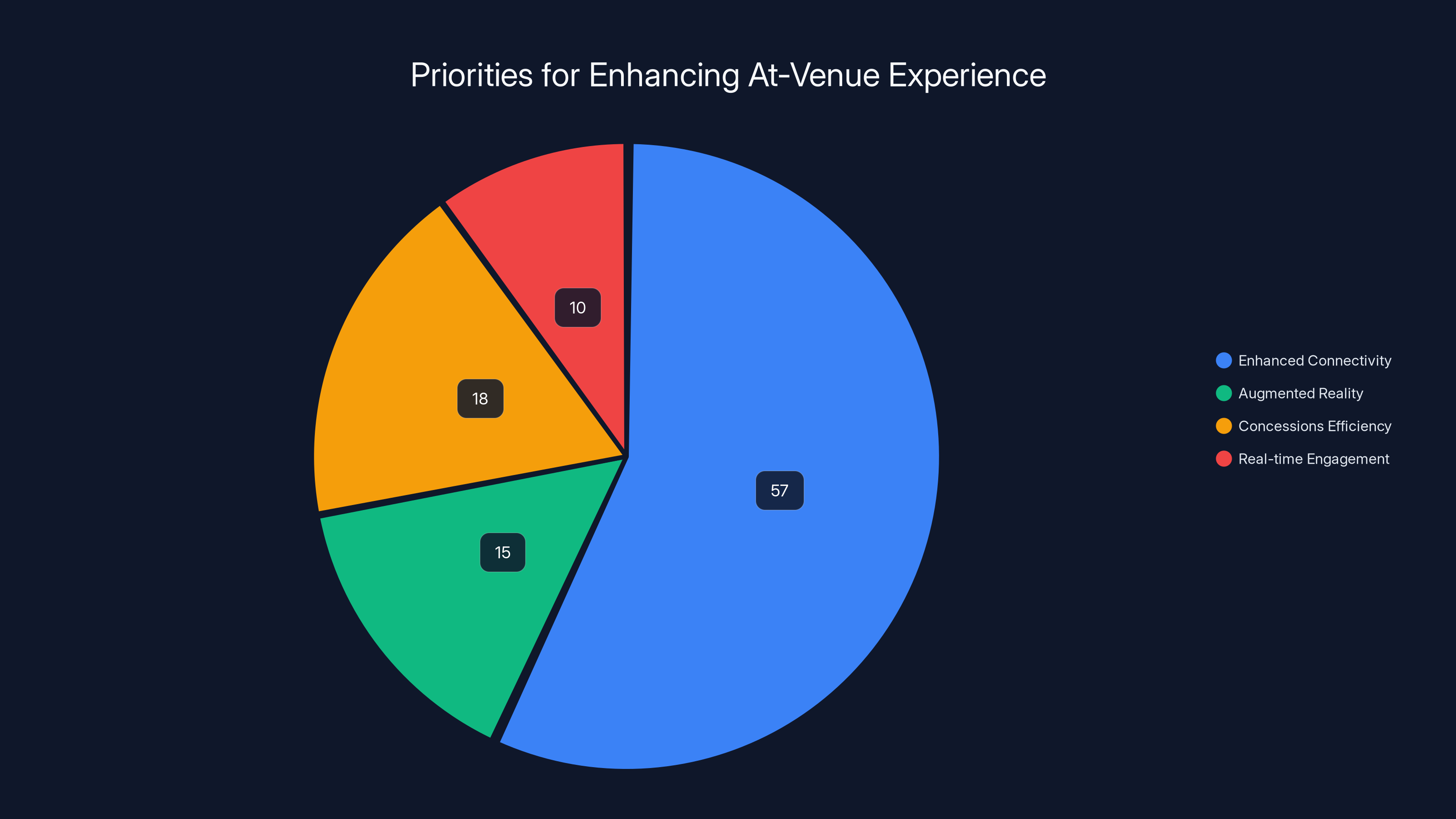
57% of sports organizations prioritize enhanced 5G and Wi-Fi connectivity for transforming at-venue experiences, followed by concessions efficiency and augmented reality. (Estimated data)
Implementation Best Practices for Sports Organizations
Starting Your AI Journey: Strategic Approaches
If you're a sports organization considering AI implementation, how do you actually start? The organizations that have executed successfully follow certain patterns.
Begin with a specific problem, not with "we want AI." Identify something concrete that's costing you—injuries happening at a higher rate than you'd like, or fans not engaging as much as they should, or operations that are inefficient. Then find AI that solves that problem. This creates clear ROI measurement and executive buy-in.
Start small and prove value. A pilot program focusing on one team, one facility, or one process is much lower risk than organization-wide implementation. If it works, you have proof. If it doesn't, you've limited the damage and learned valuable lessons.
Invest in people, not just technology. The AI tool is only as good as the people using it and maintaining it. You need someone (or a team) who understands both sports and technology to bridge the gap. This person translates technical capabilities into sports context and coaches staff on effective usage.
Partner with specialists if expertise doesn't exist internally. An implementation partner with sports AI experience can significantly accelerate adoption and reduce failure risk. They've solved problems in organizations like yours before.
Plan for integration. Data from one system should flow into other systems when relevant. A player development AI system should integrate with injury prevention data. A fan engagement AI should integrate with ticket sales and merchandise systems. Silos limit value.
Building Your AI Culture
Technology adoption is as much about culture as it is about the technology. Organizations that succeed with AI have leaders who:
Understand that AI is a tool that amplifies human decision-making, not replaces it. Great sports executives use AI insights but combine them with judgment and contextual knowledge. They don't blindly follow AI recommendations.
Create psychological safety around using AI. Staff need to feel comfortable experimenting, asking questions, and sometimes disagreeing with AI recommendations. If people are afraid to question the AI, you'll miss important context the tool doesn't capture.
Invest in ongoing training and knowledge sharing. AI capabilities evolve. Staff who trained six months ago might not know about new features. Regular training sessions and shared learning keep people engaged.
Measure what matters. Set clear metrics for what success looks like with AI. Is it fewer injuries? Increased fan engagement? Better operational efficiency? Measure those things and communicate progress.
The Competitive Reality: Why This Matters Now
The Window for Differentiation Is Closing
Right now, organizations that have successfully implemented AI have a competitive advantage. Their teams are healthier. Their operations are more efficient. Their fan engagement is stronger. Their player development is more targeted.
But this window is closing. As AI adoption spreads from 82% to 95%+ of organizations, the advantage shifts from "having AI" to "having better AI" and then "using AI better."
In five years, using AI won't differentiate you. Not using AI will put you behind. This is the classic technology adoption curve. Early adopters gain advantage. Middle adopters maintain parity. Late adopters fall behind.
This is why the urgency is so high right now. Organizations that implement AI effectively and build AI into their culture will have advantages that compound over years. Organizations that wait will be playing catch-up.
The Humans Still Matter Most
Everything we've discussed focuses on technology, but here's the important truth: the best sports outcomes still come from excellent people making good decisions, informed by great data.
AI doesn't replace scouts who understand talent. It makes them more effective. AI doesn't replace coaches who understand how to develop players. It gives them better information to coach with. AI doesn't replace athletes. It helps them optimize training and prevent injuries.
The organizations winning in the AI era are the ones that understand this. They're not replacing humans with AI. They're augmenting humans with AI. They're choosing to do certain human tasks better through technology while still relying on human judgment for decisions where judgment matters most.
The cultural challenge is embracing this. Some people see AI as a threat—to their job, to their expertise, to the purity of sports. Organizations need to frame AI as a tool that makes humans more effective, not as a replacement.
When you do this right, everyone benefits. Athletes are healthier and better developed. Coaches have better information to work with. Fans have better experiences. Owners have more efficient operations and higher revenues. It's a genuine positive-sum outcome.
The ROI Argument: Making the Financial Case for AI Investment
Calculating Real Returns on AI Investment
Why do nearly all sports organizations plan to increase AI spending? Because the financial returns justify it.
Let's look at concrete numbers. An injury prevention system might cost
A fan engagement AI might cost
An operations optimization system costing
Most sports organizations can identify 3-5 AI applications that individually have clear positive ROI. The aggregate investment is significant, but the aggregate payback is massive.
This is why we see such high adoption rates. It's not because organizations love technology. It's because CFOs have done the math and the numbers work. When a
The Harder Calculation: Strategic Advantage
Financial ROI from efficiency is the easy case. The harder case is strategic advantage.
Some benefits of AI don't have clear financial measures. Better player development might mean higher-quality players, which might mean more wins, which might mean more fans, which increases revenue. But there are 15 variables in that chain, and you can't precisely isolate AI's contribution to each one.
Organizations making AI investments anyway because they understand that in sports, small advantages compound. If AI helps you develop your draft picks 10% better than competitors, over five years that's significant player quality advantage. Over 10 years, it's transformational.
This is why the most strategic AI investments aren't always the ones with clearest ROI. They're the ones that build advantage in core competitive areas. Player development. Injury prevention. Talent identification. If your competitor gets even slightly better at these things through AI, your relative position weakens.

Conclusion: The Inevitable Future of AI-Enhanced Sports
We're at an inflection point. AI in sports went from "interesting emerging technology" to "critical competitive tool" in just a few years. The adoption numbers reflect this: 82% deployment, 98% planning expansion, 72% seeing it as highest-potential technology. These aren't early-adopter numbers. These are mainstream numbers.
Where does it go from here? The trajectory is clear. More AI. Better AI. More sophisticated applications. Deeper integration into every aspect of how sports are played, organized, and consumed.
The organizations leading in this transition are doing three things consistently: First, they're identifying specific problems AI can solve and measuring results rigorously. Second, they're investing in people who can bridge sports and technology. Third, they're maintaining perspective that technology amplifies human excellence—it doesn't replace it.
The organizations falling behind are waiting for AI to be perfect, hoping to avoid the implementation challenges of early adoption, or treating AI as a cost rather than an investment. Wait too long and you'll be playing catch-up for a decade.
The next five years will see AI become deeply embedded in how sports operate. Injury prevention will be standard. Performance analytics will be ubiquitous. Fan personalization will be expected. Operations optimization will be normal. The question isn't whether AI will transform sports. It's whether your organization will lead that transformation or follow it.
Make the decision. Start small. Measure results. Build your AI culture. In five years, you'll look back at the organizations that got this right and the ones that didn't, and the difference will be obvious.
FAQ
What is AI in sports technology?
AI in sports technology refers to artificial intelligence applications designed to improve athletic performance, fan engagement, and organizational operations. This includes injury prediction systems that analyze movement patterns to identify at-risk athletes, performance analytics that process game data to provide real-time coaching insights, and fan engagement systems that personalize content and experiences for individual supporters. Modern sports AI systems analyze terabytes of data daily from wearables, video feeds, and operational systems to surface actionable insights that drive competitive advantage.
How do sports organizations currently use AI?
The most common applications are injury prevention through biomechanical analysis and movement monitoring, performance optimization using real-time analytics and coaching feedback, fan engagement through personalized content recommendation and dynamic pricing, and operational efficiency through predictive maintenance and workforce optimization. Professional teams use computer vision systems to analyze game footage automatically, wearable sensors to track athlete biometrics continuously, and machine learning models trained on historical data to predict injuries weeks before they occur. These systems generate competitive advantage by identifying insights human analysts would miss while processing data at speeds impossible manually.
What are the main benefits of AI in sports?
Benefit categories include performance enhancement through injury prevention, reaching 20-30% injury reduction rates in some implementations; competitive advantage through better player development, analytics-driven roster decisions, and real-time coaching support; financial returns through operational efficiency, increased fan engagement, and higher merchandise conversion; and accessibility through democratization of elite-level AI capabilities to grassroots organizations. Beyond direct metrics, AI allows coaches to focus on human elements like psychology and motivation while technology handles data analysis, creating a complementary relationship where humans and AI play different but equally important roles.
Why do sports organizations need sports-specific AI rather than generic enterprise AI?
Sports present unique challenges that generic AI systems don't address effectively. Injury prediction requires understanding sports-specific biomechanics and mechanisms; generic AI has no knowledge of how ACL tears happen in basketball versus soccer or why certain movement patterns precede injuries. Performance analytics must account for sport-specific strategy, rule structures, and contextual factors that affect outcome interpretation. Organizations report that sports-specific AI achieves 35-50% higher accuracy than generic models on the same raw data because they incorporate domain knowledge from the start. Generic systems require expensive retraining on sports data from scratch and often generate recommendations that miss critical context about what's actually implementable in competitive sports environments.
How much does it cost to implement AI in sports organizations?
Implementation costs vary dramatically based on system complexity and organization size. Small-scale implementations like a single injury prevention system might cost
What's the timeline for seeing results from AI implementation?
Different applications show results on different timelines. Operational optimization like predictive maintenance and workforce scheduling can show measurable cost savings within the first month as the system begins preventing emergency repairs and optimizing staff allocation. Fan engagement AI typically shows engagement and revenue improvements within 1-3 months as personalization algorithms improve with data accumulation. Injury prevention AI needs 1-2 seasons of data to train effectively, but once trained can begin reducing injury rates immediately. Performance analytics with real-time coaching support show coaching decision improvement immediately though larger on-field performance effects take longer to manifest statistically. Most organizations notice something positive within 30-90 days of launch but see peak benefits after 6-12 months once systems are fully integrated and teams adapt to using them.
How do sports organizations ensure AI recommendations don't introduce bias or unfair advantages?
Responsible AI implementation requires several safeguards. First, ensure training data represents all athlete populations and body types, not just dominant phenotypes, so models perform equally well across diverse athletes. Second, maintain human oversight and judgment of AI recommendations rather than automated implementation, allowing coaches and medical staff to catch context the AI misses. Third, regularly audit AI system decisions to identify potential bias patterns or situations where recommendations systematically favor or disfavor particular athlete groups. Fourth, design AI systems to explain reasoning behind recommendations rather than providing black-box outputs, allowing humans to understand and question recommendations. Organizations taking these approaches find AI enhances fairness by making previously subjective decisions more objective and data-driven.
What skills do sports organizations need to implement AI successfully?
Successful implementation requires bridging sports expertise with technical expertise. On the technical side, you need people who understand data engineering, machine learning implementation, and systems integration. On the sports side, you need people who understand the domain deeply enough to translate technical capabilities into sports context and identify which AI applications actually matter. Many organizations don't have this skillset internally, which is why implementation partnerships with experienced sports AI providers are common. The critical hire is typically someone with strong technical background and either sports experience or ability to rapidly learn the sport's nuances. This person serves as translator between technical teams and operational sports staff.
How will AI continue evolving in sports over the next five years?
Expect autonomous coaching systems that actively coach athletes rather than just analyzing performance, real-time biological monitoring through advanced wearables and non-invasive sensors providing unprecedented athlete insight, predictive game theory advancing to predict not just outcomes but strategic approaches teams will take, and fan experiences becoming almost entirely personalized with different fans essentially watching different games based on their preferences. The biggest shift will be moving from AI as a specialized tool used by data experts to AI as standard operating procedure embedded throughout organizations. Within five years, the organizations differentiating on AI will shift from "we use AI" to "we use better AI more effectively."
The future of sports is digital, data-driven, and increasingly intelligent. Organizations that embrace this transformation deliberately and thoughtfully will gain advantages that compound over years. The question isn't whether to adopt AI in sports. It's how quickly and how effectively you can execute. The answer to that question will define competitive outcomes for the next decade.
Key Takeaways
- 82% of sports organizations are currently deploying AI, with 98% planning significant expansion within 12 months
- Advanced data analytics will have the greatest impact on on-field performance over the next five years
- Injury prediction AI systems achieve 20-30% injury reduction rates by identifying at-risk athletes before injuries occur
- Sports-specific AI solutions are critical because generic enterprise tools don't address unique athletic data challenges
- AI is democratizing elite capabilities, bringing professional-grade performance technology to grassroots organizations at affordable prices
Related Articles
- Meta's Metaverse Collapse: Why VR Lost to Mobile and AI [2025]
- OpenAI's 850B Valuation Explained [2025]
- Google I/O 2026: 5 Game-Changing Announcements to Expect [2025]
- RentAHuman: How AI Agents Are Hiring Humans [2025]
- Google I/O 2026: Dates, AI Announcements & What to Expect [2025]
- AI Personalities & Digital Acceptance: What Neuro-sama Really Tells Us [2025]


