
![AI Bias in Job Screening: Workday Lawsuit Highlights Growing Concerns [2025]](https://tryrunable.com/blog/ai-bias-in-job-screening-workday-lawsuit-highlights-growing-/image-1-1782239787557.jpg)
AI Bias in Job Screening: Workday Lawsuit Highlights Growing Concerns [2025]
Artificial Intelligence (AI) is transforming the way companies operate, offering efficiencies and insights previously unimaginable. Yet, as the technology advances, so do concerns about its implications, particularly regarding bias and discrimination. The recent lawsuit against Workday, an HR software giant, underscores these issues, revealing the complexities of AI in employment practices. In this comprehensive guide, we'll delve into AI bias, the legal landscape, practical solutions, and future trends.
TL; DR
- AI Screening Bias: AI tools in hiring risk perpetuating existing biases, as seen in the Workday lawsuit.
- Legal Challenges: Companies face increasing legal scrutiny over AI-driven decisions.
- Mitigation Strategies: Implementing bias audits and transparency can reduce AI discrimination.
- Future Outlook: Ethical AI development and regulation will shape future technologies.
- Bottom Line: Balancing AI benefits with ethical considerations is crucial for fair employment practices.
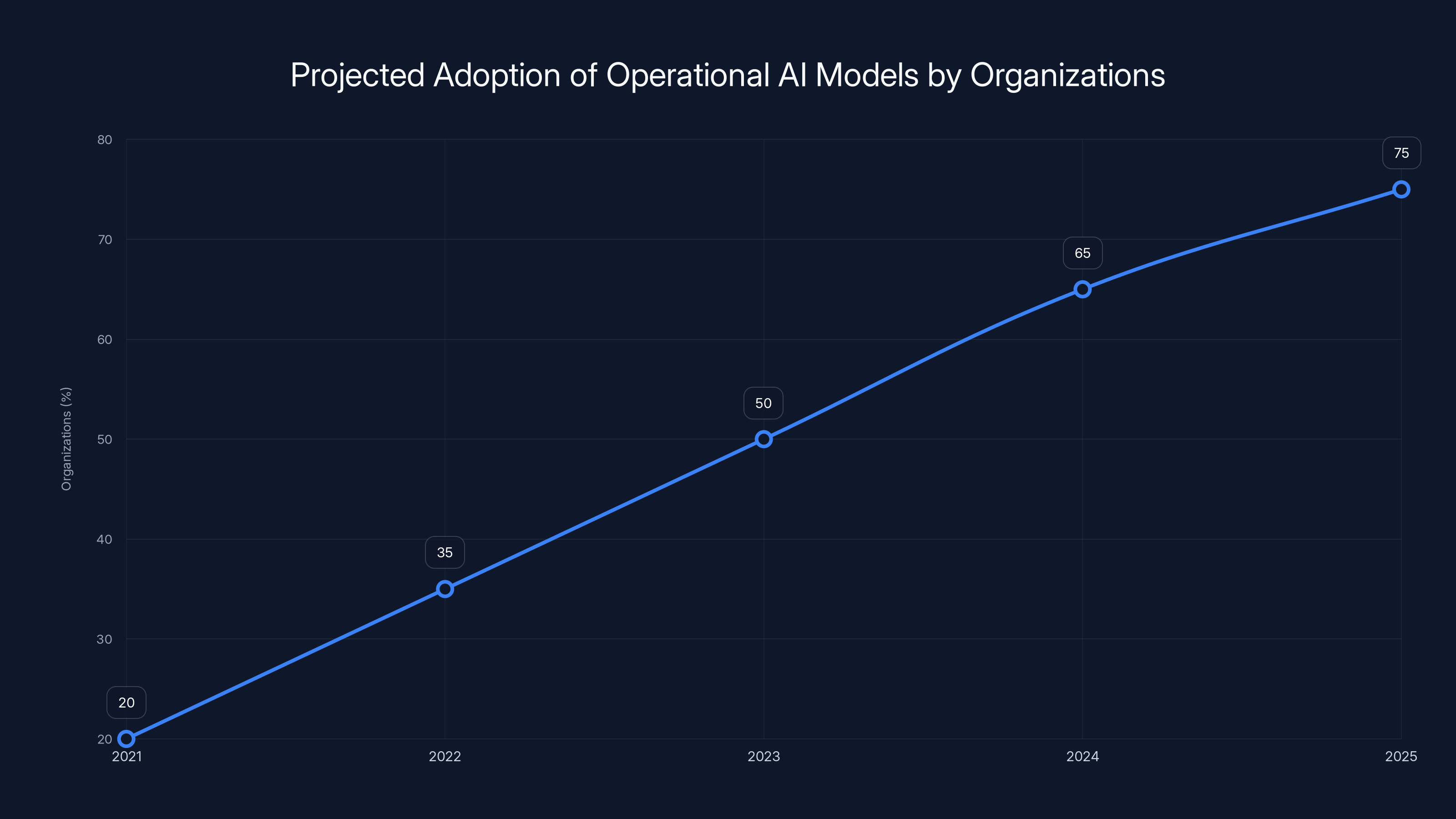
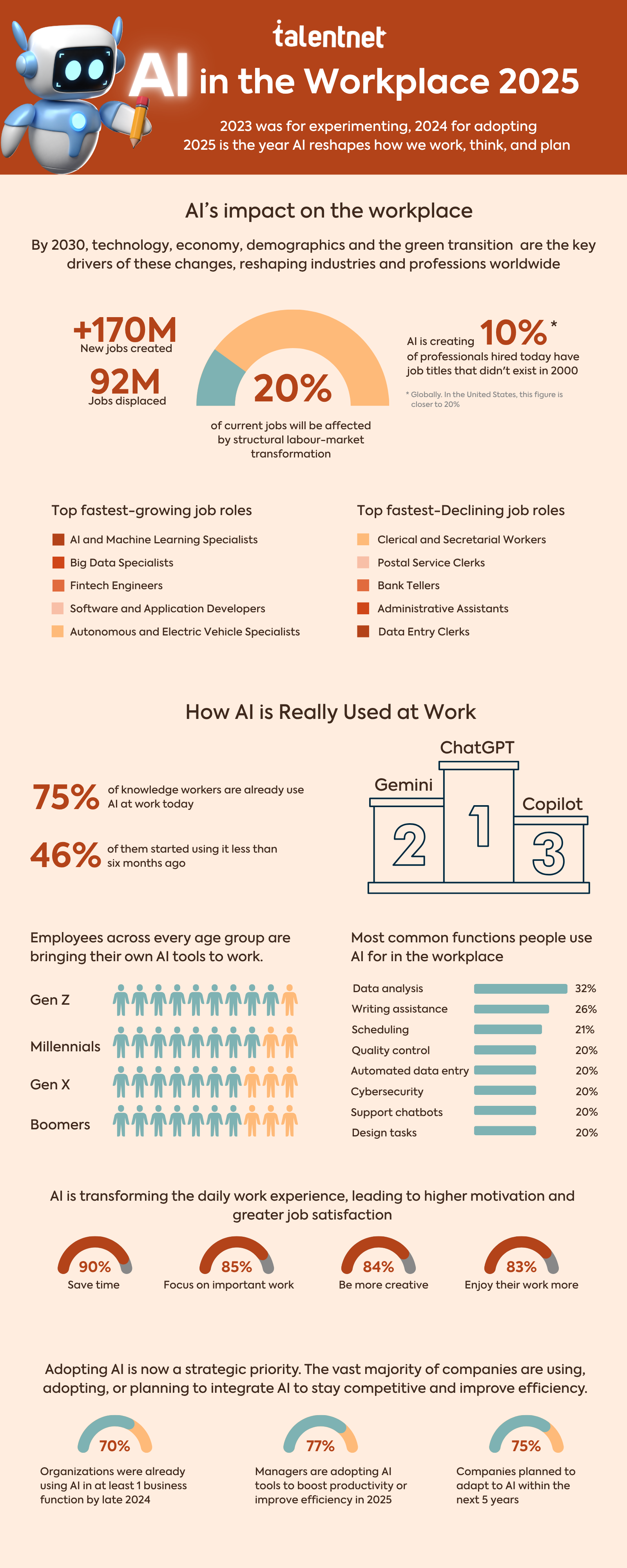
Gartner predicts a significant increase in the adoption of operational AI models, reaching 75% by 2025. Estimated data based on trends.
Understanding AI Bias in Job Screening
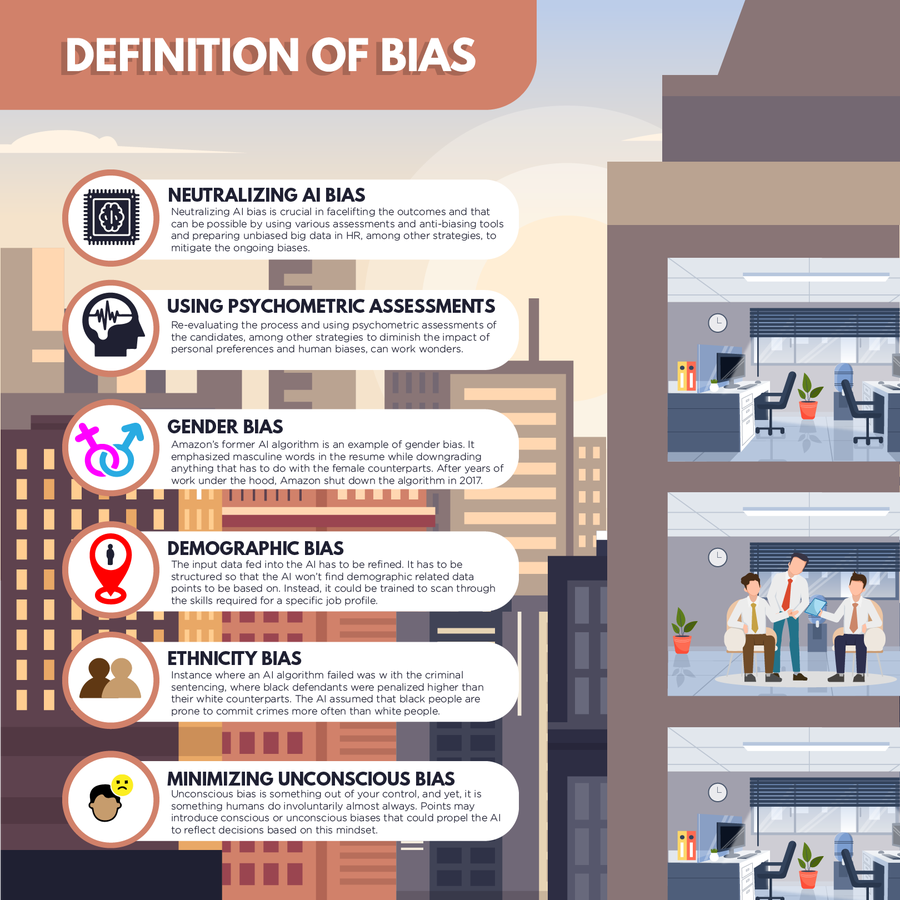
AI bias occurs when AI algorithms produce unfair outcomes, often because they mirror biases present in the data they are trained on. In job screening, this can lead to discriminatory hiring practices, where certain groups are unfairly disadvantaged.
How AI Bias Manifests
AI systems learn from data. If the training data reflects existing biases, the AI model may inadvertently perpetuate these biases. For example, if historical hiring data shows a preference for candidates from certain demographics, an AI system trained on this data might favor similar candidates.
Real-World Example: The Workday Case
The lawsuit against Workday highlights these issues. Plaintiffs allege that Workday's AI screening tools discriminated against certain racial and age groups. They argue that the algorithmic decisions were biased, reflecting historical inequalities rather than objective criteria.
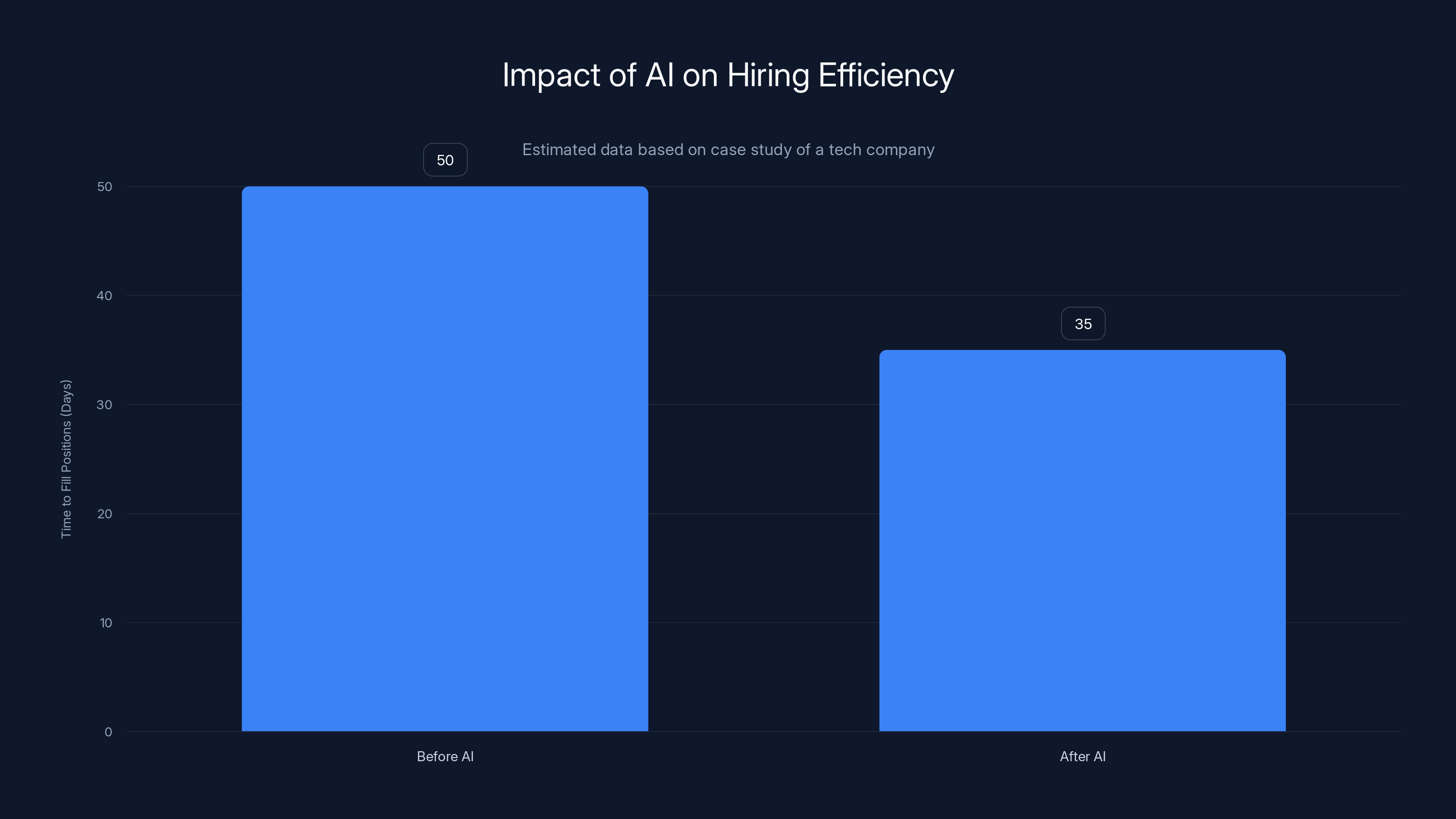
The implementation of AI reduced the time to fill positions by 30%, showcasing improved efficiency. Estimated data.
Legal Landscape of AI in Employment
As AI becomes more prevalent in hiring, legal frameworks are evolving to address potential biases. The Workday lawsuit is part of a broader trend of legal challenges faced by companies using AI for employment decisions.
Key Legislation
- Equal Employment Opportunity Laws: These laws prohibit discrimination based on race, gender, age, and other factors. AI tools that result in biased outcomes may violate these laws.
- GDPR and Data Protection: In Europe, GDPR mandates transparency and fairness in automated decision-making, impacting how AI can be used in hiring.
Impact of the Workday Lawsuit
The lawsuit against Workday could set a precedent for how AI bias cases are handled and influence future regulations. It underscores the need for companies to ensure their AI tools comply with existing laws and ethical standards.
Strategies to Mitigate AI Bias
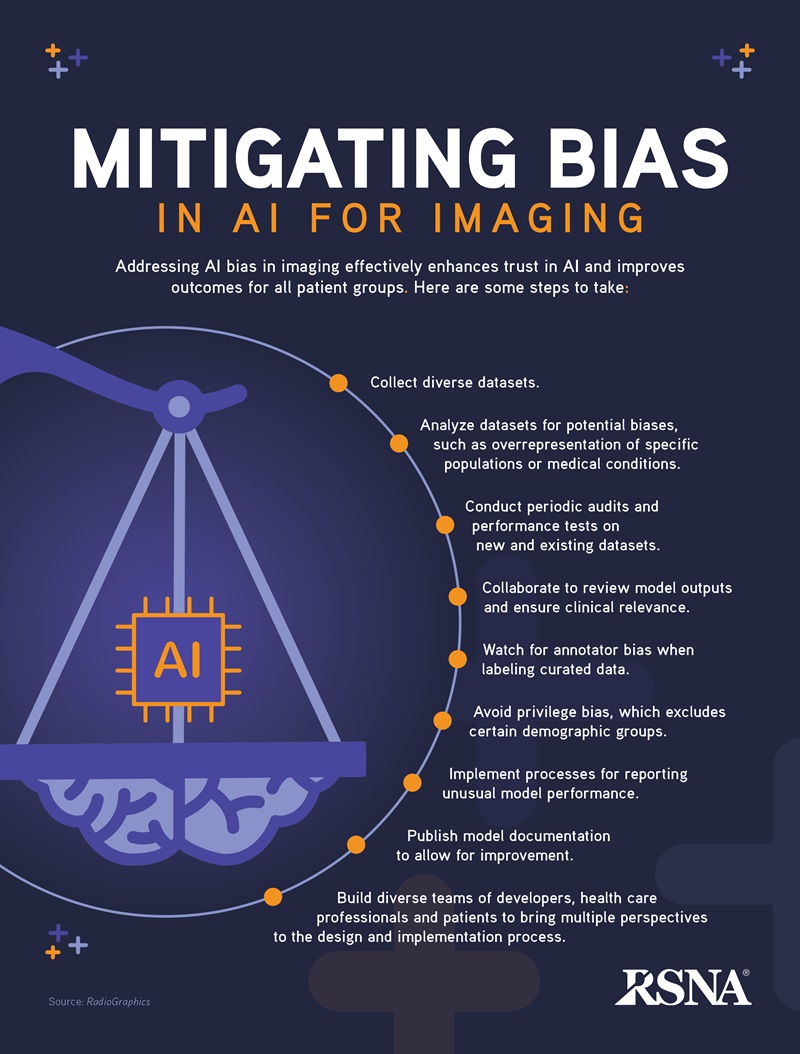
To address AI bias, companies must implement robust strategies that ensure fairness and transparency in their AI systems.
Bias Audits
Conducting regular bias audits can help identify and correct biases in AI algorithms. These audits involve analyzing the algorithm's outputs and comparing them against fairness standards.
Transparency and Explainability
AI systems should be transparent, with decisions explainable to users. This involves providing insights into how decisions are made, allowing for scrutiny and accountability.
Diverse Data Sets
Using diverse and representative data sets for training AI models can reduce bias. This means including data from various demographics to ensure the model does not favor one group over another.
Human Oversight
Incorporating human oversight in AI decision-making processes adds a layer of accountability. Humans can review AI decisions to ensure they align with ethical and legal standards.
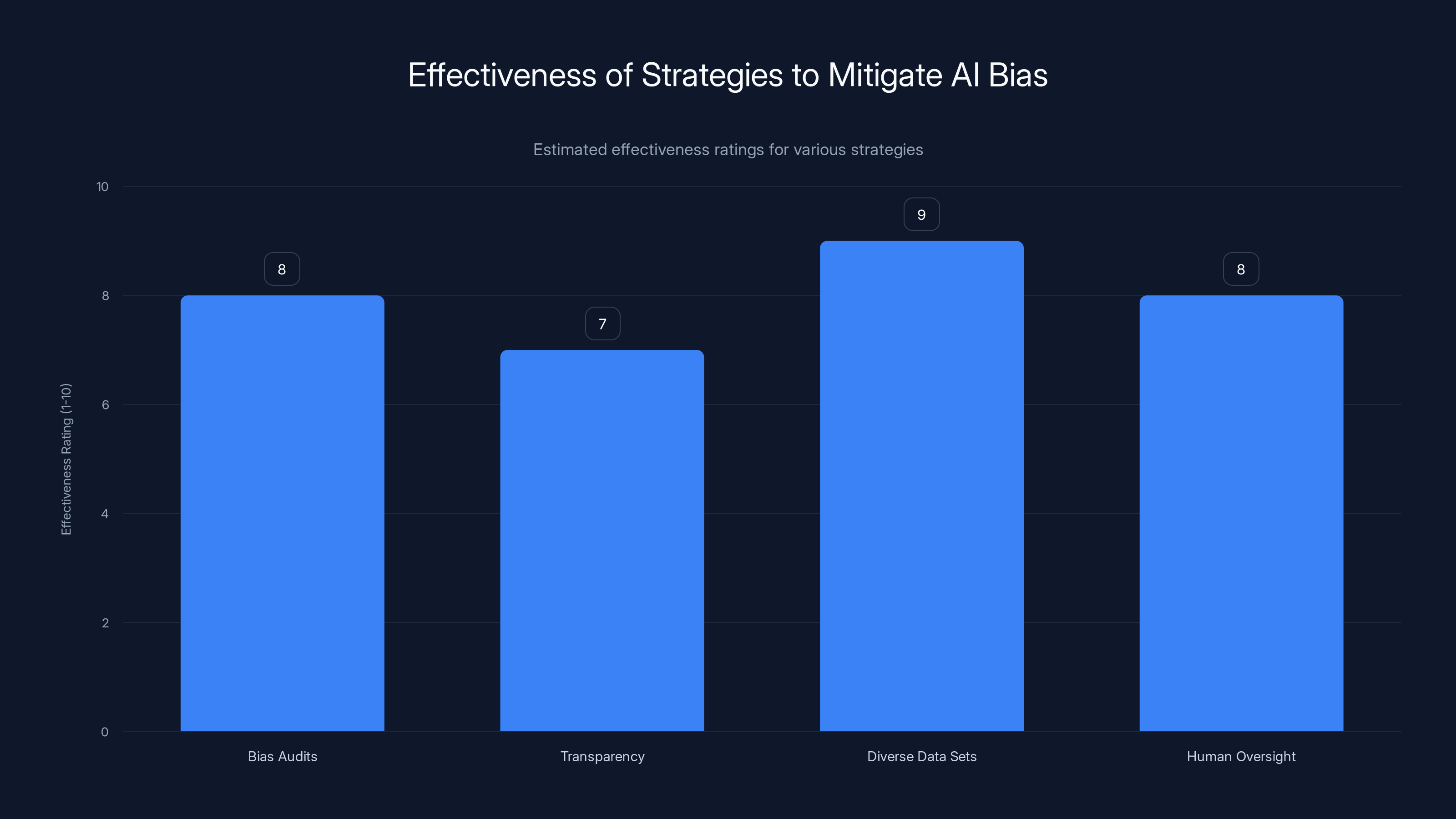
Estimated data suggests that using diverse data sets is the most effective strategy to mitigate AI bias, closely followed by bias audits and human oversight.
Future Trends in AI and Employment
The future of AI in employment hinges on balancing technological advancements with ethical considerations. Here are some trends to watch:
Ethical AI Development
As awareness of AI bias grows, there is a push towards developing ethical AI systems. This involves designing algorithms that prioritize fairness and inclusivity from the ground up.
Regulatory Developments
Governments worldwide are considering regulations to govern AI use in employment. These regulations aim to ensure AI systems do not discriminate and that companies are held accountable for their AI-driven decisions.
AI in New Hiring Processes
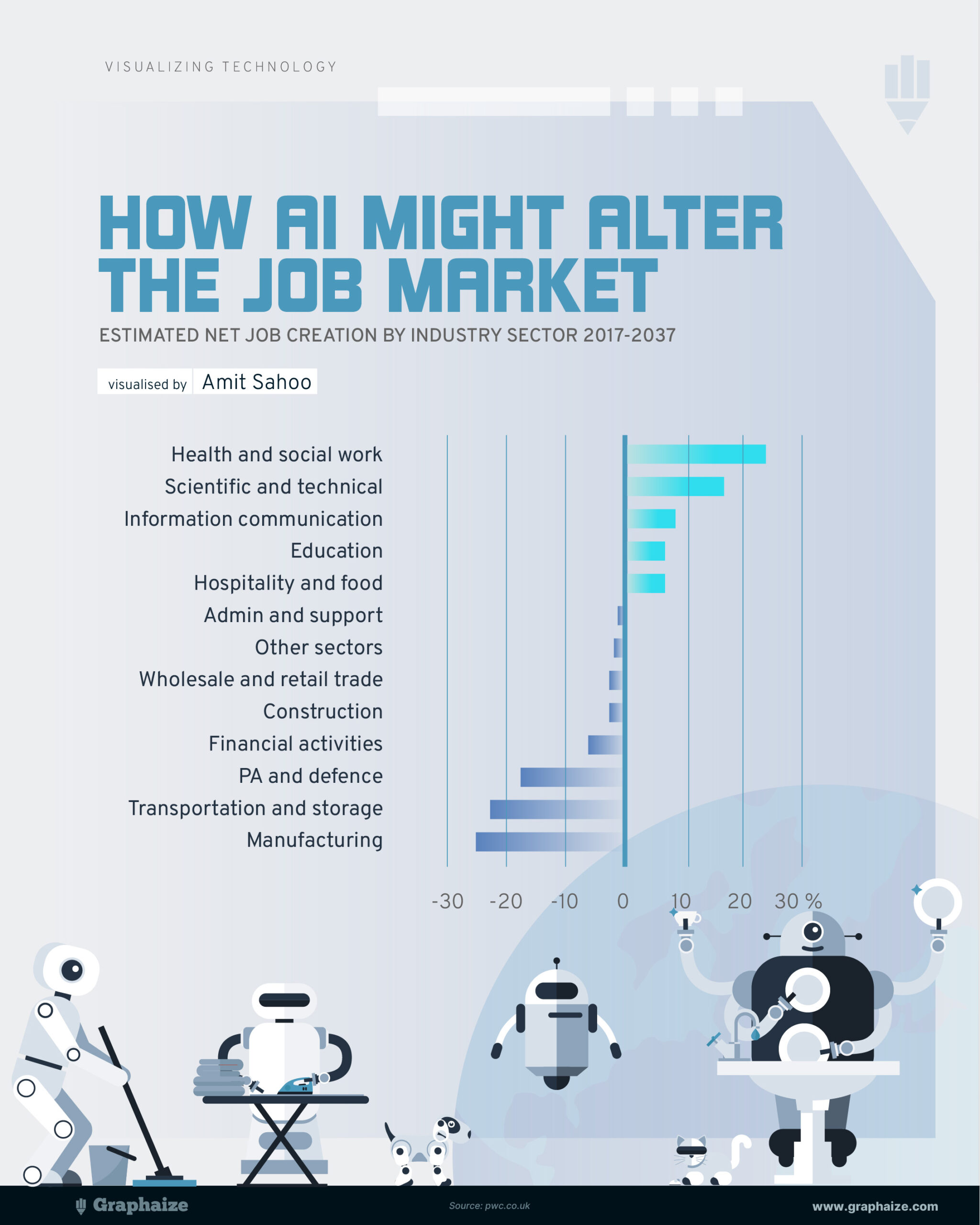
AI is expected to play a larger role in new hiring methodologies, such as virtual reality interviews and AI-driven psychometric testing. These innovations promise to make hiring more efficient but also raise new ethical questions.
Globalization and AI
AI technology enables companies to hire talent globally, breaking down geographical barriers. However, this also means that AI systems must be adaptable to different cultural and legal contexts.
Best Practices for Implementing AI in Hiring
To leverage AI effectively in hiring, companies should follow best practices that ensure fair and unbiased outcomes.
Comprehensive Testing
Before deploying AI tools, conduct comprehensive testing to ensure they function as intended and do not produce biased results.
- Pilot Programs: Test AI tools in controlled environments before full-scale implementation.
- Feedback Loops: Establish mechanisms for continuous feedback and improvement.
Collaboration with Experts
Collaborate with AI ethics experts and legal professionals to design and implement AI systems that comply with ethical standards and legal requirements.
Continuous Education
Invest in continuous education for employees involved in AI development and deployment. This ensures they stay informed about the latest trends and best practices in AI ethics.
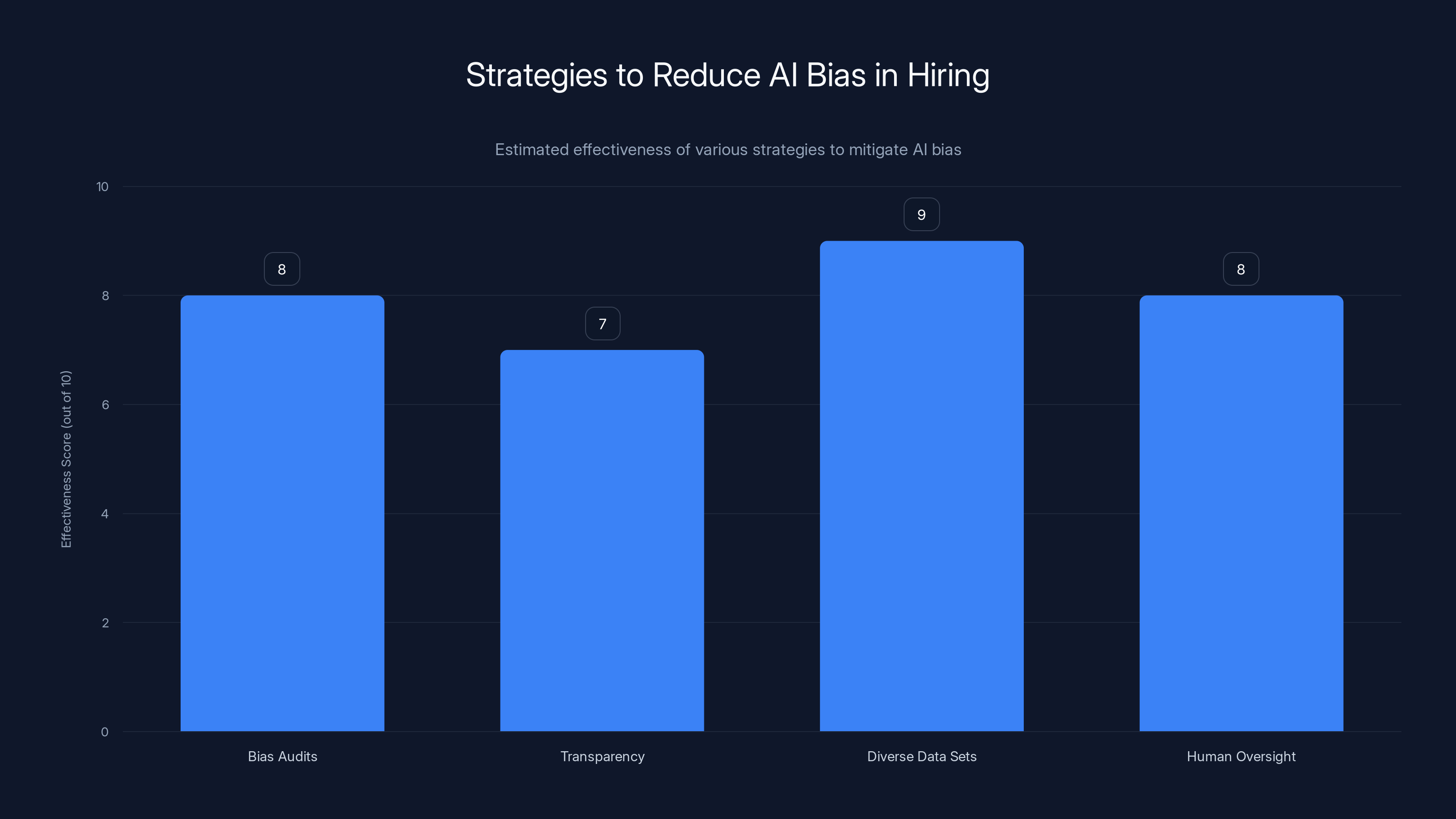
Bias audits and using diverse data sets are among the most effective strategies to reduce AI bias in hiring, with scores of 8 and 9 respectively. (Estimated data)
Common Pitfalls in AI Hiring Systems
Despite their potential, AI hiring systems can encounter pitfalls that undermine their effectiveness and fairness.
Overreliance on Historical Data
Relying too heavily on historical data can reinforce existing biases. Companies must ensure their AI models are trained on diverse and current data sets.
Lack of Transparency
Without transparency, AI decisions can appear arbitrary, leading to distrust among candidates and employees. Companies must provide clear explanations for AI-driven decisions.
Ignoring Human Input
Neglecting human oversight can result in unchecked biases. Humans should remain involved in the decision-making process to ensure AI outputs align with ethical standards.
Inadequate Bias Audits
Failing to conduct regular bias audits can allow biases to persist in AI systems. Companies should establish a routine for auditing AI models and correcting any identified biases.
Case Study: Successful AI Implementation in Hiring
A major tech company successfully implemented AI in its hiring process by following best practices for bias mitigation and transparency.
Approach
The company used AI to screen resumes and match candidates to job openings. They conducted bias audits and ensured diverse data sets were used for training.
Results
The AI system improved the efficiency of the hiring process, reducing the time to fill positions by 30%. Importantly, the system was transparent, and candidates received feedback on AI-driven decisions.
Lessons Learned
The company's success highlights the importance of transparency, bias audits, and diverse data sets in AI hiring systems. By prioritizing these elements, companies can leverage AI while minimizing bias.
Conclusion: Navigating the Future of AI in Employment
The lawsuit against Workday serves as a wake-up call for companies using AI in hiring. As AI technologies evolve, so too must our approaches to ensuring they are fair and ethical. By implementing bias audits, ensuring transparency, and adopting best practices, companies can harness AI's potential while minimizing risks.
The future of AI in employment is bright, but it requires careful navigation to ensure that technology serves everyone equitably. As we move forward, ongoing dialogue and collaboration among stakeholders will be crucial to shaping an ethical AI landscape.

FAQ
What is AI bias in job screening?
AI bias in job screening occurs when AI algorithms produce discriminatory outcomes, often due to biased training data. This can lead to unfair hiring practices.
How does the Workday lawsuit highlight AI bias concerns?
The lawsuit alleges that Workday's AI screening tools discriminated against certain groups, bringing attention to the potential biases in AI-driven hiring decisions.
What are some strategies to reduce AI bias in hiring?
Strategies include conducting bias audits, ensuring transparency, using diverse data sets, and maintaining human oversight in AI decision-making processes.
What legal frameworks govern AI use in employment?
Laws like Equal Employment Opportunity and GDPR regulate AI use, ensuring it does not result in discrimination and that decisions are transparent and fair.
How can companies ensure ethical AI development?
Ethical AI development involves designing algorithms with fairness in mind, conducting bias audits, and collaborating with ethics experts to align AI tools with ethical standards.
What future trends are expected in AI and employment?
Future trends include ethical AI development, regulatory advancements, AI-driven hiring innovations, and the globalization of AI systems.
How do bias audits help in AI hiring?
Bias audits involve analyzing AI outputs to identify and correct biases, ensuring the system produces fair and unbiased results.
Why is human oversight important in AI hiring systems?
Human oversight ensures that AI decisions align with ethical and legal standards, providing accountability and reducing the risk of bias.

Key Takeaways
- AI screening tools risk perpetuating existing biases, leading to discriminatory hiring practices.
- The Workday lawsuit highlights legal challenges companies face over AI-driven employment decisions.
- Bias audits and transparency are key strategies to mitigate AI bias in hiring processes.
- Future AI development will prioritize ethics and inclusivity to prevent discrimination.
- Companies must balance AI benefits with ethical considerations to ensure fair employment practices.
- Regulations are evolving to govern AI use in employment, ensuring transparency and fairness.
- Human oversight remains crucial to ensure AI decisions align with ethical and legal standards.
- Diverse data sets and continuous education are vital for minimizing AI bias in hiring.
Related Articles
- How Anthropic's AI Risk Warnings Led to Export Restrictions [2025]
- Agentic AI at a Crossroads: Guardrails or Massive Fails? [2025]
- Challenging AI Ethics in Defense: Insights from Anduril CEO Palmer Luckey [2025]
- A24 Joins Forces with Google to Build Innovative AI Tools for Filmmaking [2025]
- How to Automate Workflows Using Open-Source AI Agents [2025]
- OpenAI and Getty Images: Transforming Visual Search in ChatGPT [2025]


