
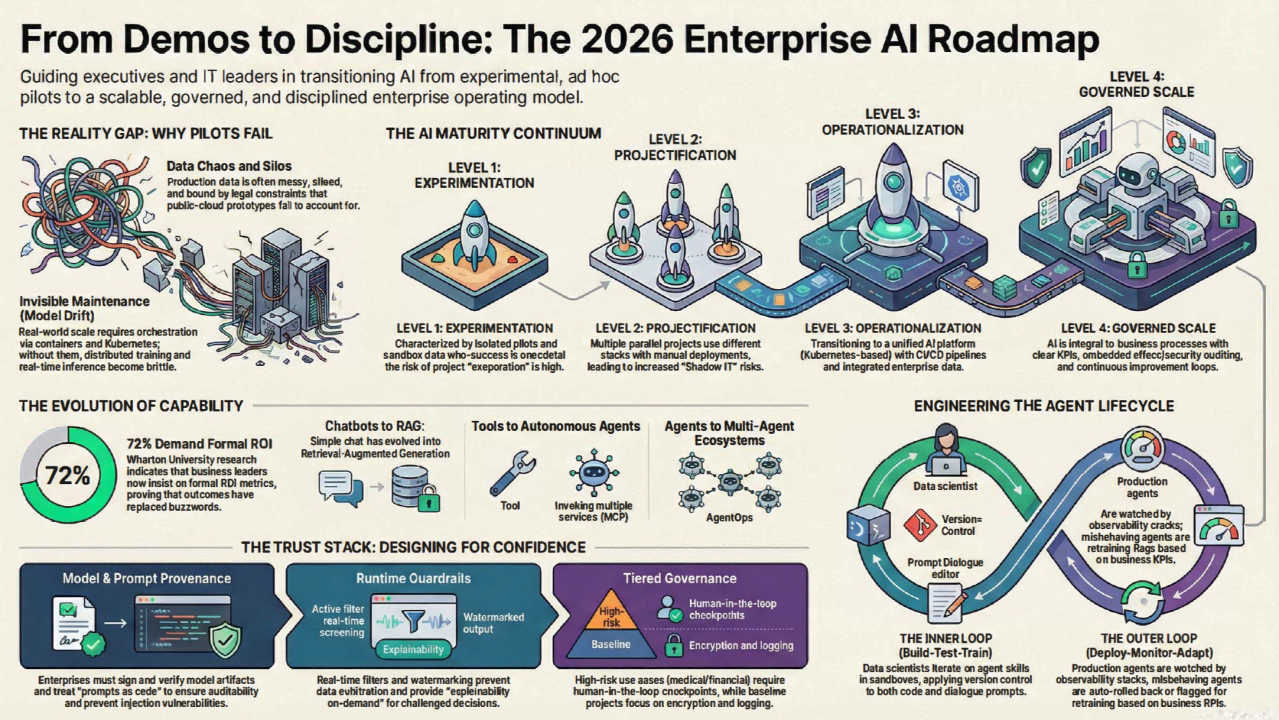
![2026: The Year Enterprise AI Finally Gets to Work [2026]](https://tryrunable.com/blog/2026-the-year-enterprise-ai-finally-gets-to-work-2026/image-1-1775208873098.jpg)
2026: The Year Enterprise AI Finally Gets to Work
In 2026, enterprise AI isn't just a buzzword—it's a fundamental shift in how businesses operate, innovate, and compete. After years of anticipation and incremental progress, AI agents are finally stepping out of the lab and into the heart of enterprises, transforming them into agile, data-driven powerhouses. This article explores how AI is reshaping industries, the hurdles we've overcome, and what the future holds.
TL; DR
- AI Integration: AI tools are seamlessly integrated into enterprise workflows, enhancing productivity and efficiency.
- Operational Efficiency: AI improves decision-making by providing real-time data analysis and predictions.
- AI Agents: These digital coworkers automate repetitive tasks and allow employees to focus on strategic initiatives.
- Industry Impact: AI is particularly transformative in finance, healthcare, and manufacturing.
- Future Trends: AI's role will expand into more complex domains, creating new opportunities and challenges.
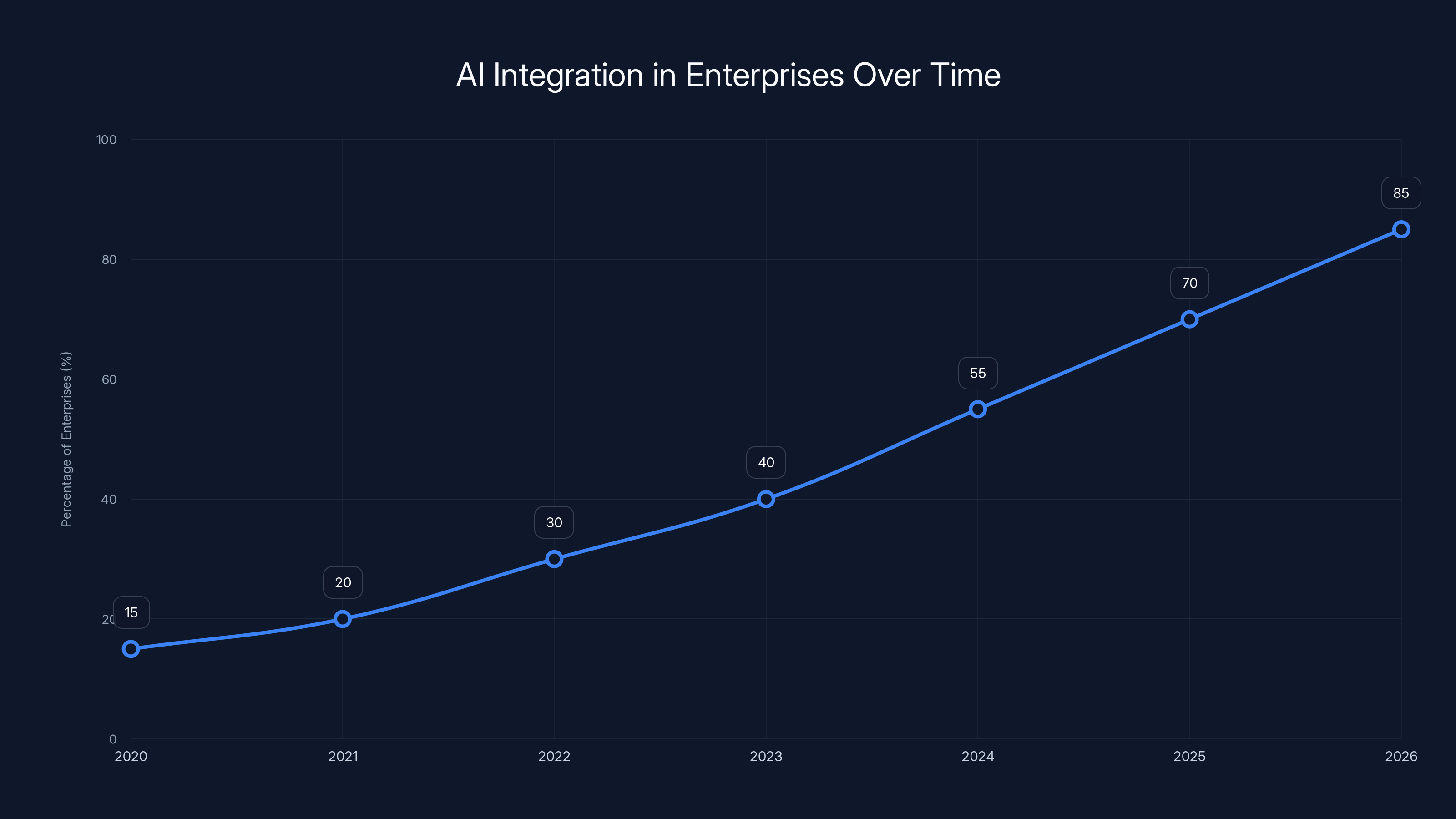
The chart illustrates the estimated growth in AI integration within enterprises from 2020 to 2026, highlighting a significant increase as technological barriers are overcome. Estimated data.
The AI Evolution: From Experimentation to Integration
For years, AI has been a tantalizing prospect for businesses looking to gain a competitive edge. However, its integration into enterprise operations has been slow due to technological constraints and a lack of understanding. In 2026, the landscape has changed dramatically. AI tools, like those offered by Runable, are now embedded into core business processes, providing unparalleled insight and efficiency.
AI in Action: Real-World Examples
Let's look at some real-world examples where AI is making waves:
- Finance: AI algorithms analyze vast amounts of financial data to predict market trends, manage risks, and automate trading. According to Morgan Lewis, AI's role in finance is expanding rapidly.
- Healthcare: AI systems assist in diagnosing diseases, personalizing treatment plans, and managing patient records. As noted by Medical Xpress, AI is becoming a collaborative partner in healthcare.
- Manufacturing: AI-driven robotics and predictive maintenance optimize production lines and reduce downtime. The manufacturing sector is projected to see significant growth due to AI.
The Rise of AI Agents
AI agents are digital coworkers that perform tasks traditionally handled by humans. These agents automate routine tasks, such as data entry and customer inquiries, freeing up human employees to focus on strategic initiatives.
Key Features of AI Agents:
- Task Automation: Automate repetitive tasks like data processing and report generation.
- 24/7 Availability: Operate around the clock without fatigue or error.
- Data Analysis: Provide real-time insights and recommendations based on data analysis.
Challenges Overcome
Despite the advancements, the road to enterprise AI integration was fraught with challenges:
- Data Privacy Concerns: Ensuring data security and compliance with regulations like GDPR is crucial, as discussed in JD Supra.
- Bias in AI Models: Developing fair and unbiased algorithms to prevent discrimination is a priority.
- Integration Complexities: Seamlessly embedding AI tools into existing IT infrastructure remains a challenge.
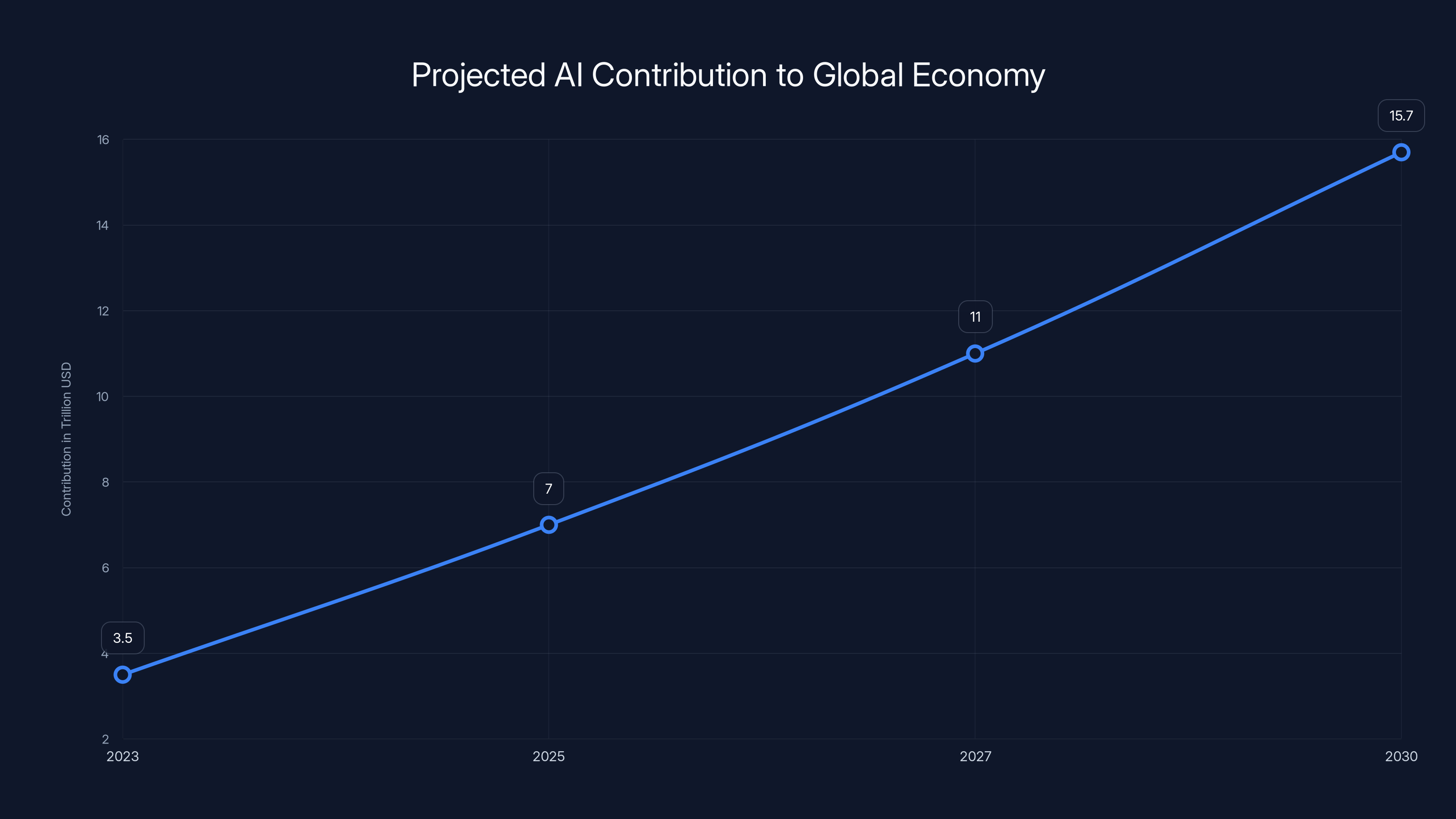
AI is projected to significantly boost the global economy, contributing up to $15.7 trillion by 2030. (Estimated data)
AI Transforming Industries
AI's impact is felt across various sectors, each leveraging the technology uniquely to overcome industry-specific challenges.
Finance
The finance industry is a prime example of AI's transformative power. Algorithms now manage investment portfolios, conduct fraud detection, and offer personalized banking experiences.
- Predictive Analytics: AI predicts stock market trends and assists in investment decisions.
- Fraud Detection: Real-time monitoring and anomaly detection safeguard assets.
- Customer Personalization: AI-driven chatbots provide tailored financial advice.
Healthcare
In healthcare, AI's potential to revolutionize patient care is immense. From diagnostics to personalized medicine, AI tools enhance both efficiency and accuracy.
- Diagnostic Support: AI analyzes medical images and patient data for early disease detection, as highlighted by Georgetown Journal of International Affairs.
- Personalized Treatment: Algorithms tailor treatment plans based on genetic and lifestyle data.
- Administrative Efficiency: Automates scheduling and billing processes.
Manufacturing
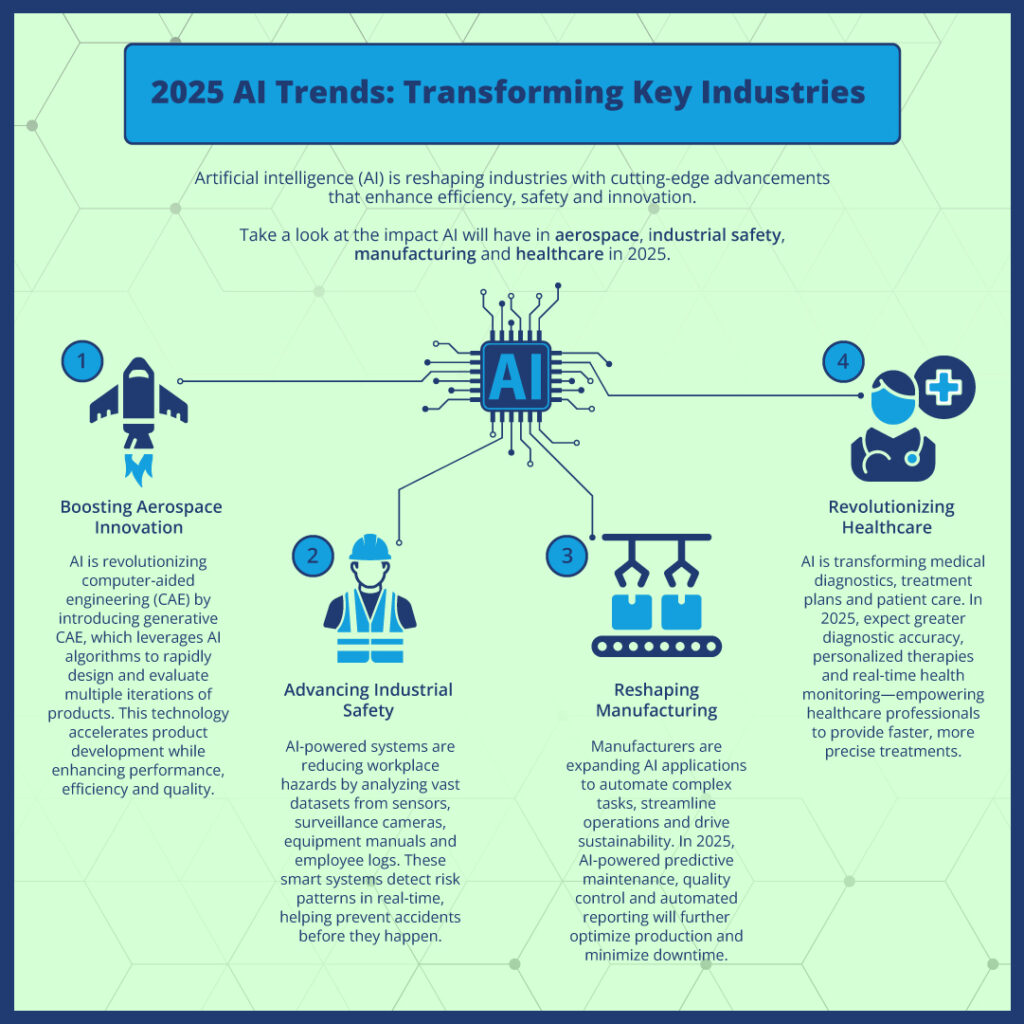
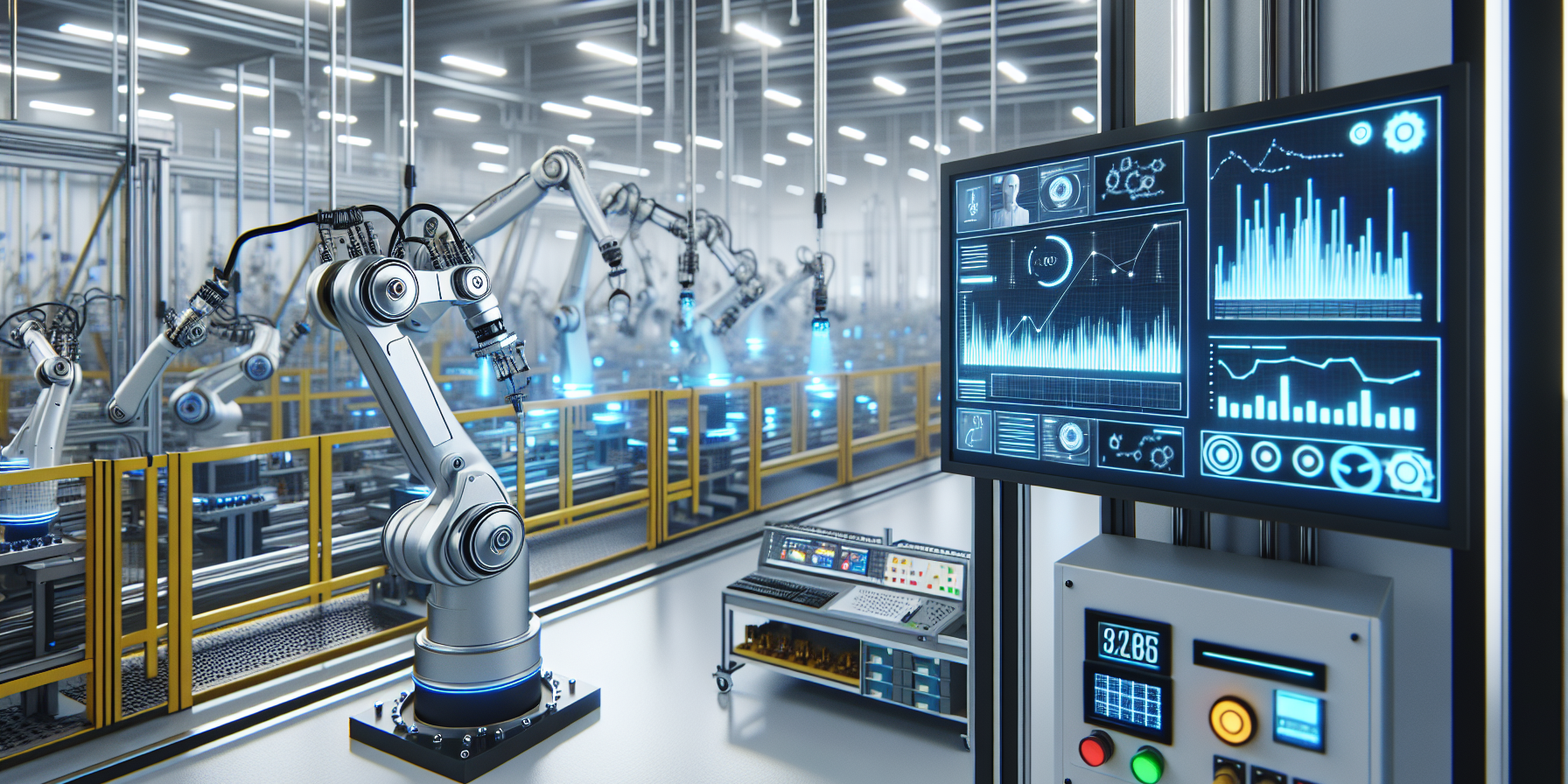
AI is reshaping manufacturing through automation and predictive maintenance. Smart factories leverage AI to optimize production and reduce downtime.
- Robotics: Automated systems handle repetitive tasks, improving speed and precision.
- Predictive Maintenance: AI predicts equipment failures, preventing costly breakdowns.
- Supply Chain Optimization: Enhances logistics and inventory management.
Implementation Guides and Best Practices
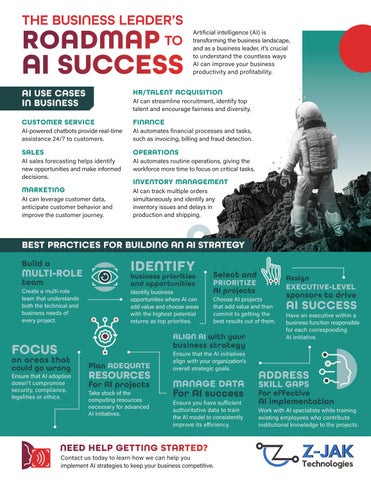
Successfully integrating AI into enterprise operations requires a strategic approach. Here are some best practices:
Identify Clear Objectives
Before implementing AI, define clear business objectives and outcomes. Determine the specific areas where AI can add the most value.
Build a Skilled Team
Invest in training and hiring AI specialists who understand both the technology and the business context.
Ensure Data Readiness
AI thrives on data. Ensure your data is clean, accessible, and well-organized to maximize AI's potential.
Start Small and Scale
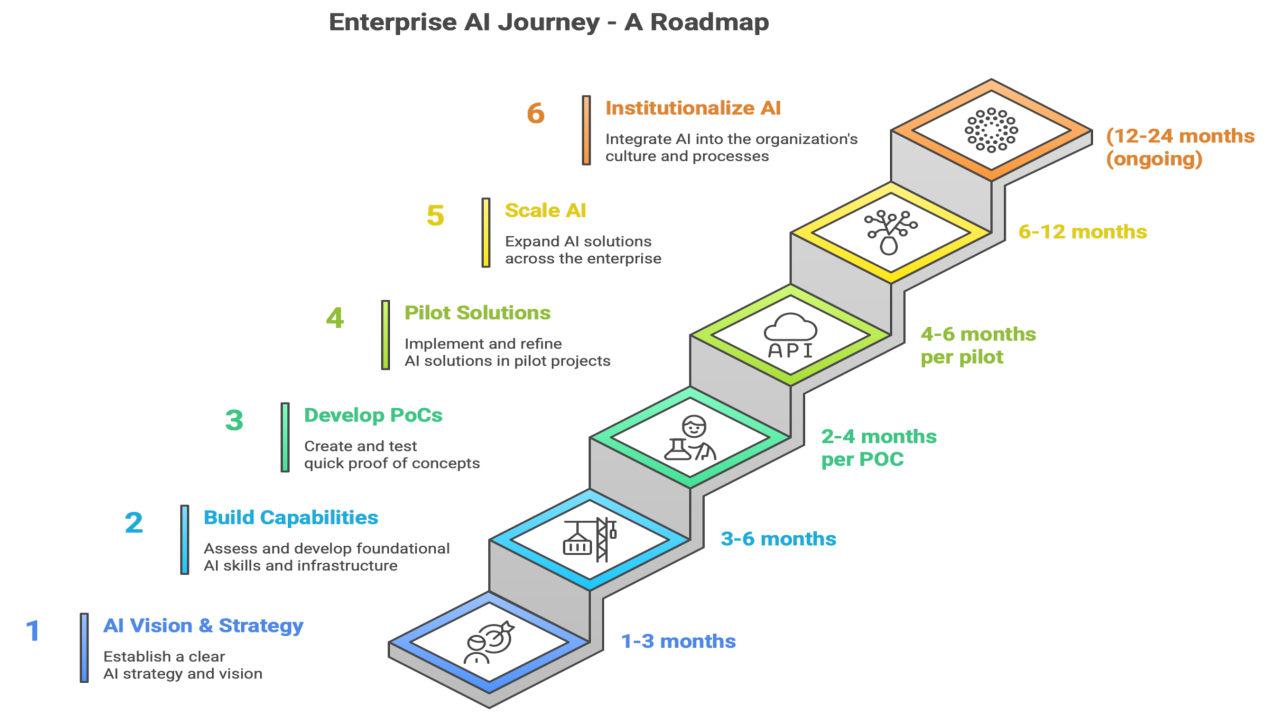
Begin with pilot projects to assess effectiveness and refine processes before scaling AI initiatives enterprise-wide.
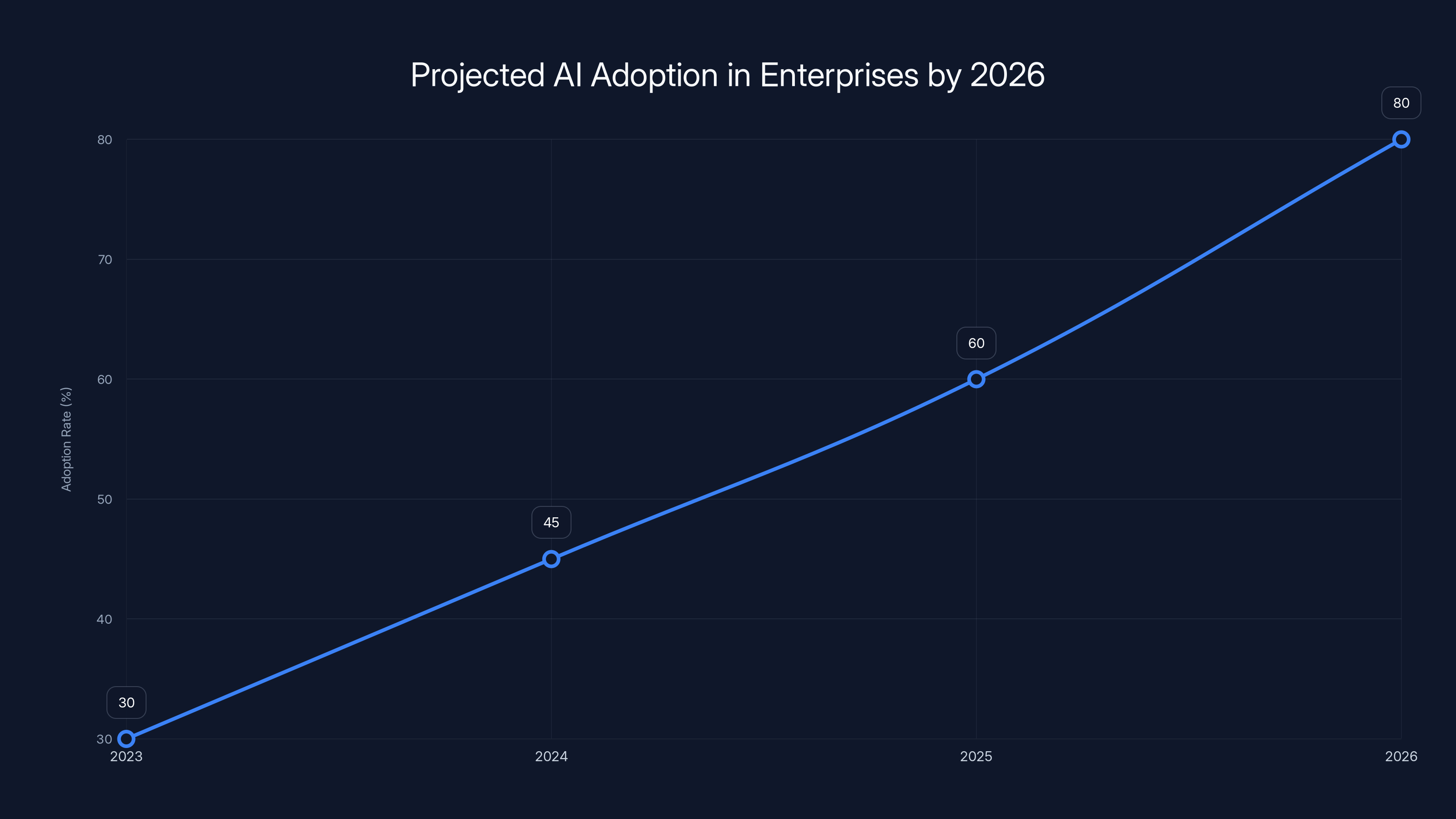
By 2026, AI adoption in enterprises is projected to reach 80%, marking a significant increase from 30% in 2023. Estimated data.
Common Pitfalls and Solutions
While AI offers significant advantages, it's crucial to avoid common pitfalls that can derail projects.
Underestimating Change Management
Adopting AI requires cultural change. Engage stakeholders early and often to build support and understanding.
Ignoring Data Quality
Poor data quality leads to inaccurate AI outputs. Regularly audit and cleanse data to maintain integrity.
Overcomplicating Solutions
Don't over-engineer solutions. Focus on simple, effective AI applications that solve real problems.
Future Trends and Recommendations
As AI continues to evolve, its role in enterprises will expand, creating new opportunities and challenges.
AI and Human Collaboration
AI will increasingly work alongside humans, enhancing productivity and enabling new forms of collaboration. The role of humans in AI oversight remains crucial.
Ethical AI Development
Developing ethical AI systems that are transparent and fair will become a priority for businesses. As noted in ECB's report, ethical considerations are paramount.
AI in Emerging Markets
AI will drive innovation in emerging markets, addressing local challenges and creating new business models. According to Mexico Business News, firms are accelerating AI adoption.
Recommendations for Enterprises
- Invest in AI Literacy: Educate employees on AI's capabilities and limitations.
- Prioritize Ethics: Implement ethical guidelines and frameworks for AI development.
- Foster Innovation: Encourage experimentation and innovation to stay ahead of the competition.
Conclusion
2026 marks a turning point in the adoption of AI in enterprises. As AI agents become trusted digital coworkers, businesses that embrace this shift will reap the benefits of increased efficiency, innovation, and competitiveness. However, success requires careful planning, ethical considerations, and a commitment to continuous improvement.
Use Case: Automate your weekly reports with AI-powered tools.
Try Runable For Free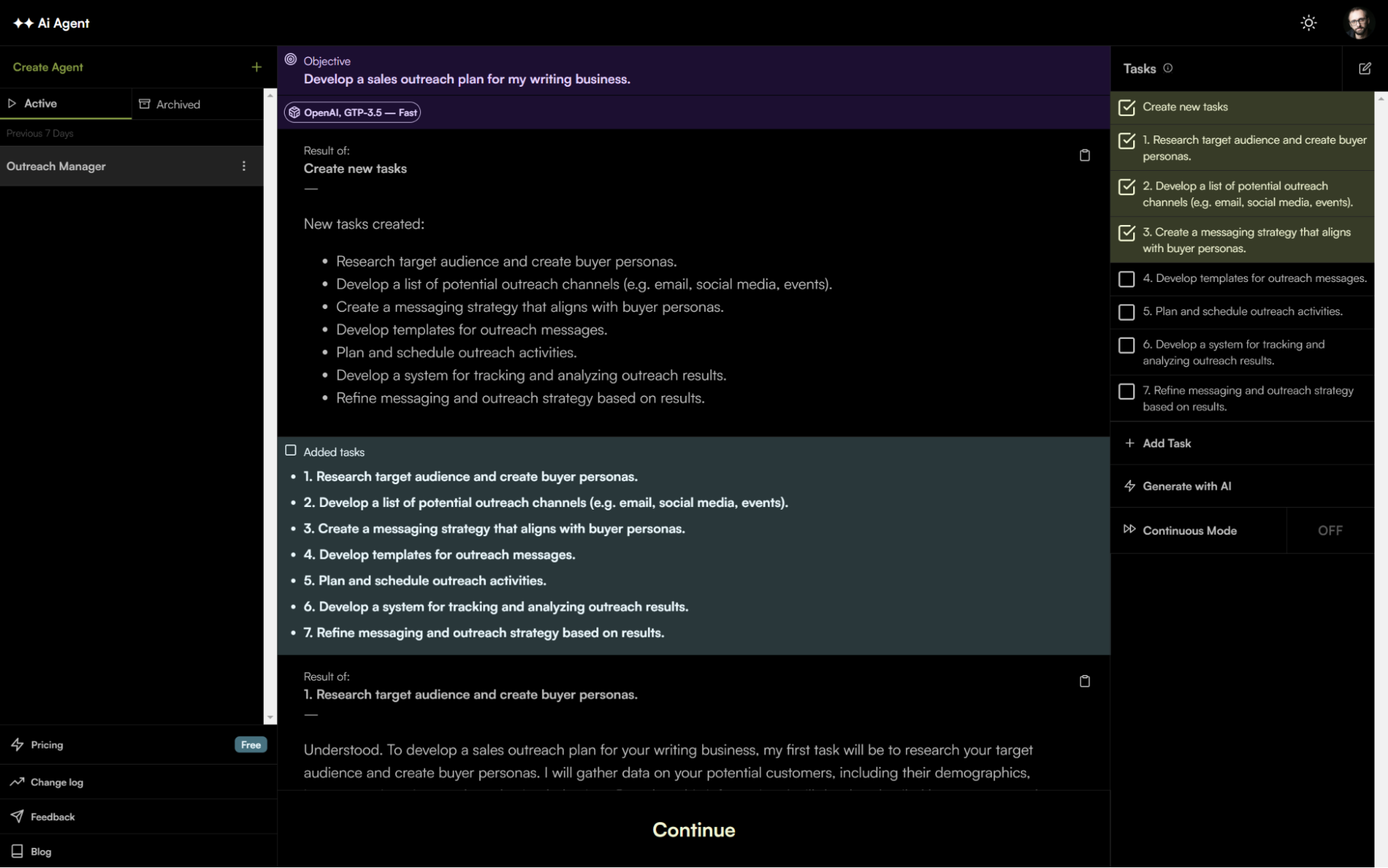
Key Takeaways
- AI integration enhances enterprise efficiency and productivity.
- AI agents automate tasks, freeing employees for strategic work.
- AI is transformative in finance, healthcare, and manufacturing sectors.
- Future AI trends include ethical development and human collaboration.
- Enterprises should prioritize AI literacy and ethical guidelines.
Related Articles
- Why AI Agents Outlast the Best Agencies [2025]
- Understanding Telehealth Security: Lessons from the Hims & Hers Data Breach [2025]
- ‘Uncanny Valley’: Iran’s Threats on US Tech, Trump’s Plans for Midterms, and Polymarket’s Pop-up Flop | WIRED
- A New Google-Funded Data Center Will Be Powered by a Massive Gas Plant | WIRED
- Dell’s New 14-Inch Pro Premium: A Lightweight Powerhouse for Executives [2025]
- Understanding Google's Gemma 4 Release: The Impact of Apache 2.0 Licensing [2025]
FAQ
What is 2026: The Year Enterprise AI Finally Gets to Work [2026]?
In 2026, enterprise AI isn't just a buzzword—it's a fundamental shift in how businesses operate, innovate, and compete.
What does tl; dr mean?
After years of anticipation and incremental progress, AI agents are finally stepping out of the lab and into the heart of enterprises, transforming them into agile, data-driven powerhouses.
Why is 2026: The Year Enterprise AI Finally Gets to Work [2026] important in 2025?
This article explores how AI is reshaping industries, the hurdles we've overcome, and what the future holds.
How can I get started with 2026: The Year Enterprise AI Finally Gets to Work [2026]?
- AI Integration: AI tools are seamlessly integrated into enterprise workflows, enhancing productivity and efficiency.
What are the key benefits of 2026: The Year Enterprise AI Finally Gets to Work [2026]?
- Operational Efficiency: AI improves decision-making by providing real-time data analysis and predictions.
What challenges should I expect?
- AI Agents: These digital coworkers automate repetitive tasks and allow employees to focus on strategic initiatives.


