
![[2025] How Bird Monitoring AI Software is Revolutionizing Wildlife Conservation](https://runable.blog/blog/2025-how-bird-monitoring-ai-software-is-revolutionizing-wild/image-1-1765462736762.jpg)
Introduction
In a world increasingly driven by technology, it's fascinating to see how cutting-edge innovations are being harnessed to solve environmental challenges. One such innovation that's been gaining traction is bird monitoring AI software. Originally developed to mitigate the impact of wind turbines on bird populations, this technology has proven its worth and is now in demand across various sectors. This article delves into the intricacies of bird monitoring AI software, exploring its functionalities, applications, and future potential.
TL; DR
- Revolutionary Tech: Bird monitoring AI uses computer vision to track birds, helping reduce wind turbine impacts.
- Broad Applications: Beyond wind farms, it's used in wildlife conservation, urban planning, and more.
- Technical Edge: Leverages high-resolution cameras and advanced algorithms for precise monitoring.
- Future Trends: Integration with IoT and drones, expanding capabilities.
- Bottom Line: Bird monitoring AI is a game-changer in ecological research and conservation.
The Evolution of Bird Monitoring Technology
The journey of bird monitoring technology is a testament to the power of innovation. From simple binoculars and field notebooks, we've transitioned to sophisticated AI systems capable of analyzing vast amounts of data in real-time. The pivotal moment came with the development of computer vision technology, which allows machines to interpret visual data in a manner akin to human vision.
A Brief History
Bird monitoring has traditionally been a labor-intensive process, relying heavily on human observers. With the advent of digital cameras and machine learning, the landscape began to change. Early systems could record bird activities but lacked the analytical prowess to provide actionable insights. The introduction of AI has been a game-changer, enabling automated identification and tracking of bird species.
How Bird Monitoring AI Software Works
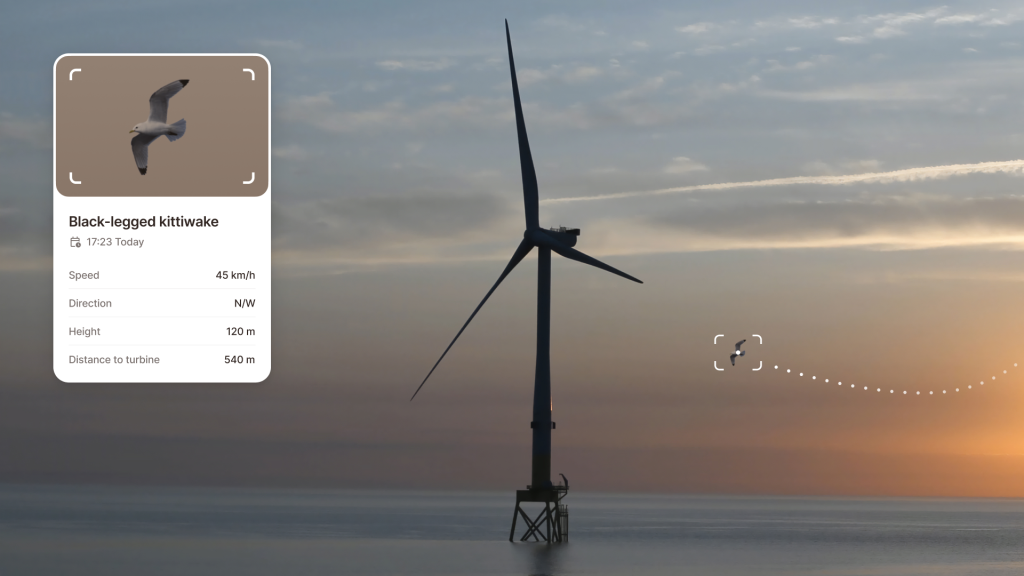
At its core, bird monitoring AI software utilizes computer vision to detect and identify bird species within a specified range. The technology primarily relies on high-resolution cameras and sophisticated algorithms to process and analyze visual data.
Key Components
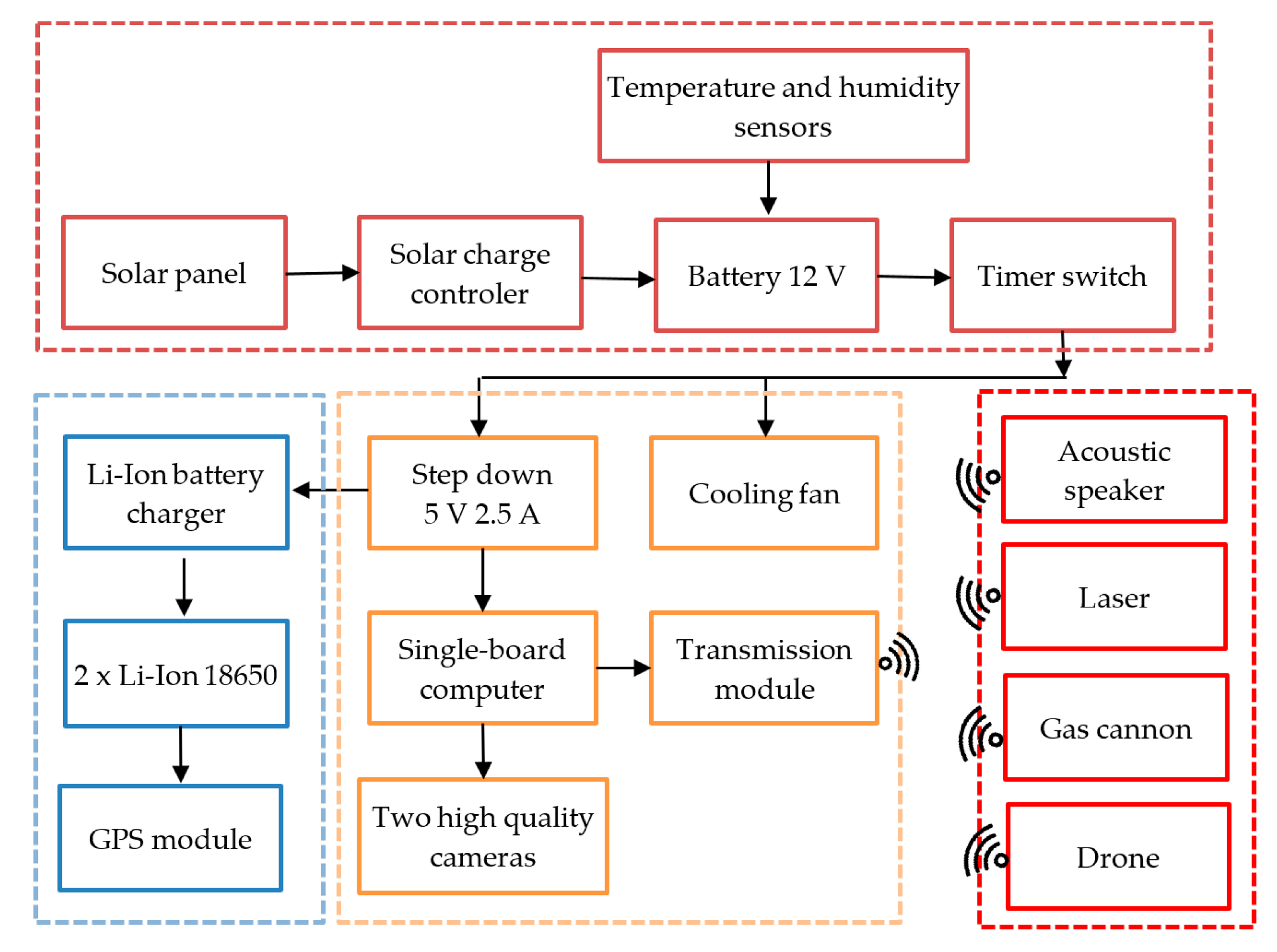
- Cameras: High-resolution cameras provide the necessary visual input. These can be standard off-the-shelf products, making the system cost-effective and easy to deploy.
- Algorithms: Machine learning algorithms are trained on vast datasets of bird images, enabling them to identify different species and track their movements.
- Data Processing: The software processes real-time data to monitor bird activities, migration patterns, and potential interactions with wind turbines.
Implementation Guide
Implementing bird monitoring AI software involves several steps:
- Site Assessment: Evaluate the area to determine the optimal camera placement and coverage.
- Hardware Setup: Install high-resolution cameras at strategic locations.
- Software Configuration: Configure the AI software to process data from the cameras.
- Data Analysis: Use the software's analytical tools to interpret the data and generate insights.
Practical Use Cases
Bird monitoring AI software is not just limited to wind farms. Its applications extend to various fields, each benefiting from its ability to provide detailed insights into avian behavior.
Wind Farms
Wind farms have been at the forefront of utilizing this technology to mitigate bird mortality caused by turbine collisions. By tracking bird movements, operators can shut down turbines during peak migration periods, significantly reducing fatalities.
Wildlife Conservation
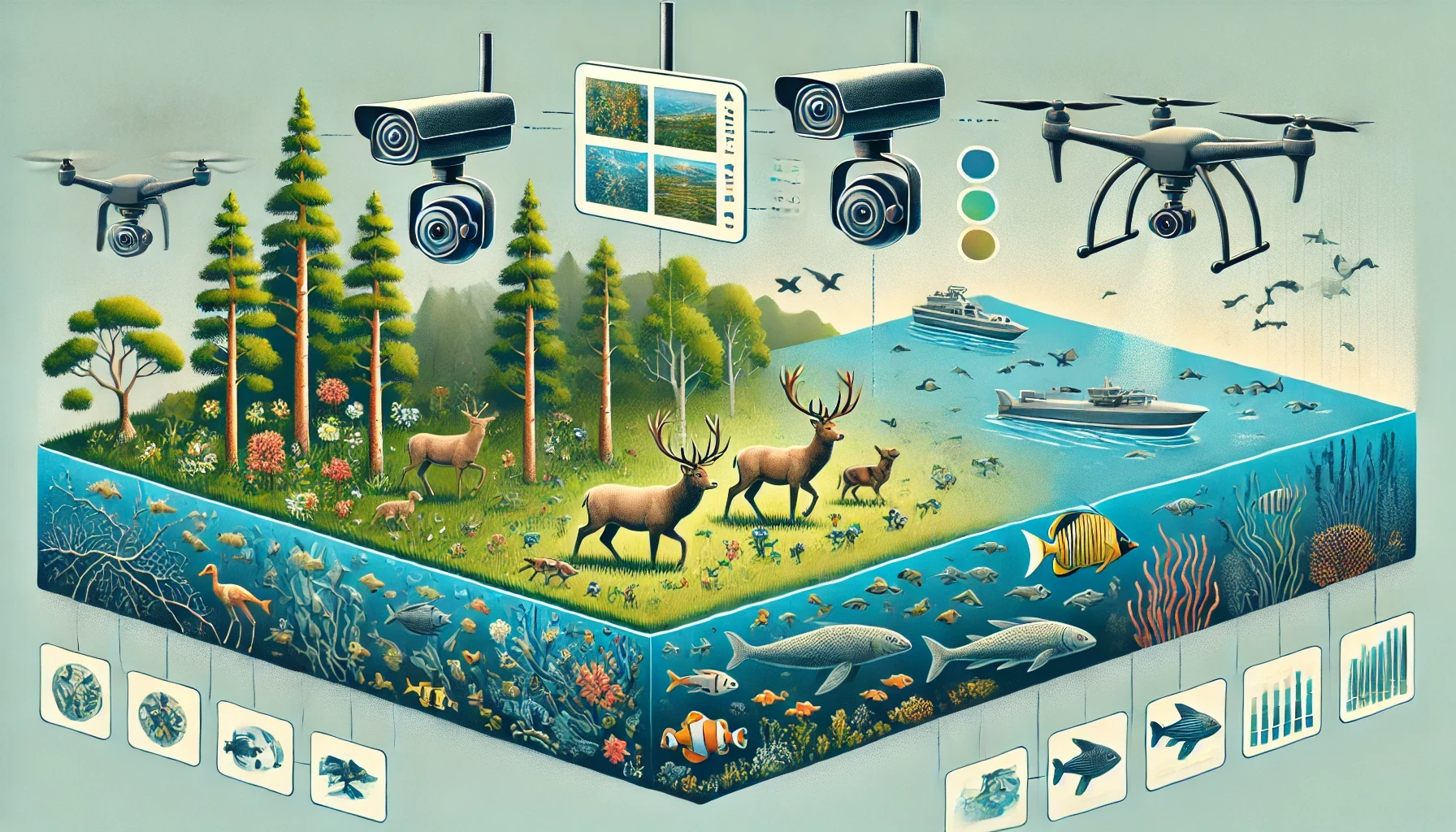
Conservationists use this technology to monitor endangered species, assess habitat health, and plan conservation strategies. The real-time data provided by the software is invaluable for making informed decisions.
Urban Planning
Urban planners leverage bird monitoring AI to assess the impact of new developments on local ecosystems. This information helps in designing ecologically sustainable urban areas.
Agriculture
Farmers use bird monitoring systems to protect crops from bird damage. By understanding bird behavior, they can implement effective deterrent strategies, reducing crop losses.
Technical Challenges and Solutions
While bird monitoring AI software offers numerous benefits, it also faces several technical challenges. Addressing these challenges is crucial for maximizing its effectiveness.
Data Accuracy
Ensuring data accuracy is paramount. False positives or negatives can lead to incorrect conclusions. Continuous refinement of algorithms and expanding training datasets can help improve accuracy.
Hardware Limitations
The effectiveness of the software is heavily dependent on the quality of the cameras used. Investing in high-resolution cameras and ensuring their proper maintenance is essential.
Environmental Factors
Weather conditions, such as fog or rain, can affect the system's performance. Implementing weather-resistant equipment and using complementary technologies, such as radar, can mitigate these issues.
Future Trends and Recommendations
The future of bird monitoring AI software looks promising, with several exciting trends on the horizon.
Integration with Io T
Integrating AI with the Internet of Things (IoT) can enhance data collection and processing capabilities. IoT devices can provide additional environmental data, offering a more comprehensive picture of bird activities.
Use of Drones
Drones equipped with AI software can cover larger areas and provide data on hard-to-reach locations. This mobility can revolutionize monitoring practices, especially in remote or inaccessible areas.
Enhanced Data Analytics
Advancements in data analytics will enable more precise predictions of bird behavior, aiding in proactive conservation efforts and better planning of human activities.
Improved User Interfaces
User-friendly interfaces with intuitive dashboards will make it easier for non-experts to leverage the technology, broadening its applicability.
Conclusion
Bird monitoring AI software represents a significant advancement in wildlife conservation and ecological research. Its ability to provide real-time, accurate data on bird populations is invaluable for both conservationists and industries like wind energy. As the technology continues to evolve, it promises to play an even greater role in creating a sustainable future.
FAQ
What is bird monitoring AI software?
Bird monitoring AI software uses computer vision to track and identify birds, helping reduce the environmental impact of human activities like wind farming.
How does bird monitoring AI work?
It employs high-resolution cameras and machine learning algorithms to detect and analyze bird activities within a specified range.
What are the benefits of using bird monitoring AI?
Benefits include reduced bird fatalities at wind farms, improved wildlife conservation efforts, and enhanced urban planning and agricultural practices.
Can bird monitoring AI be used in agriculture?
Yes, it helps farmers protect crops by understanding bird behavior and implementing effective deterrent strategies.
What challenges does bird monitoring AI face?
Challenges include data accuracy, hardware limitations, and environmental factors affecting performance.
What are the future trends in bird monitoring AI?
Trends include integration with IoT, use of drones, enhanced data analytics, and improved user interfaces.
Is bird monitoring AI cost-effective?
Yes, it utilizes off-the-shelf cameras and scalable software solutions, making it an economically viable option for various applications.
Key Takeaways
- Bird monitoring AI software is revolutionizing how we track and protect bird populations.
- It provides real-time insights that are crucial for conservation and reducing human impact.
- The technology is versatile, with applications in wind farms, agriculture, and urban planning.
- Future integration with IoT and drones will expand its capabilities further.
- Accurate data processing and user-friendly interfaces will enhance adoption and usability.
- Overcoming technical challenges is essential for maximizing the software's effectiveness.
- The demand for such technologies is set to grow as environmental sustainability becomes a priority.
Related Articles
- [2025] Google Withdraws EU Antitrust Complaint About Microsoft Cloud Amid Probe
- [2025] Heat Pump Startup Quilt Secures $20M to Boost Expansion
- [2025] Data Center Moratorium: Environmental and Economic Impact
- [2025] OpenAI Enterprise Growth Amid Google Threat
- [2025] GPT-4 Vision: Multimodal Breakthrough Explained
- [2025] Meta Poaches Apple Exec to Lead Creative Studio


