
![[2025] Harness AI Automation: Bridging the After-Code Gap](https://runable.blog/blog/2025-harness-ai-automation-bridging-the-after-code-gap/image-1-1765458033339.gif)
[2025] Harness AI Automation: Bridging the After-Code Gap
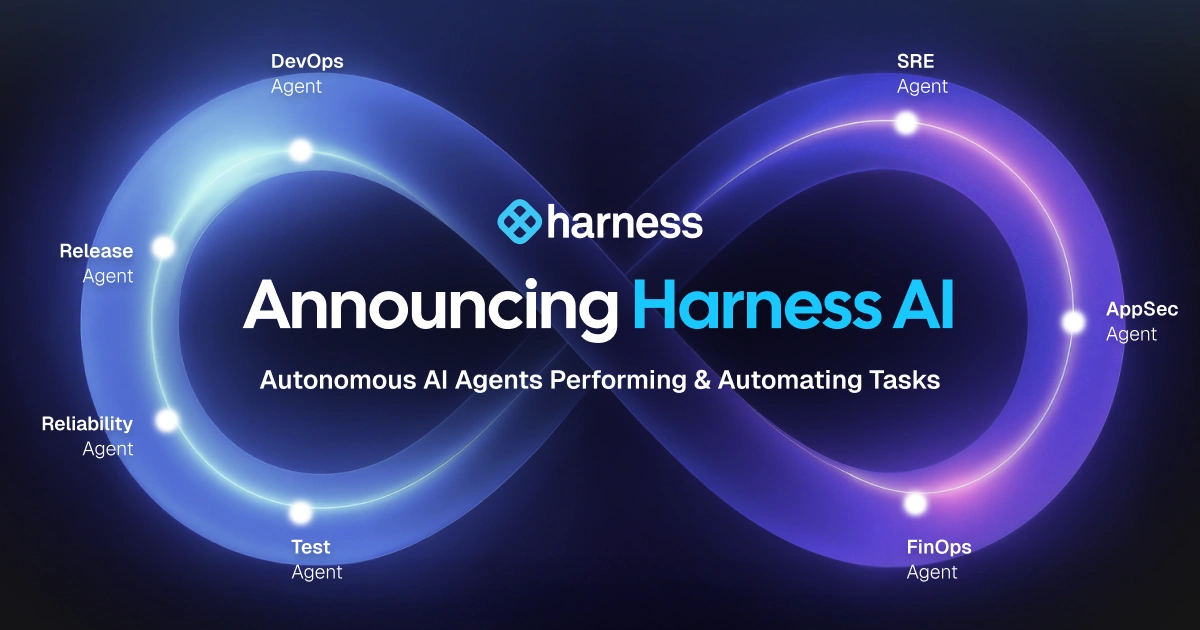
AI and automation are no longer just buzzwords in the tech industry. They are the driving forces behind the next wave of innovation, and few companies demonstrate this better than Harness. With its recent
TL; DR
- Harness's Rise: Valued at 240 million in funding.
- After-Code Automation: Focuses on streamlining post-development AI processes.
- Practical Implementation: Offers real-world examples and use cases.
- Pitfalls and Solutions: Identifies common issues and how to overcome them.
- Future Trends: Insights into the evolution of AI automation.
- Bottom Line: Harness is setting the standard for post-development AI efficiency.
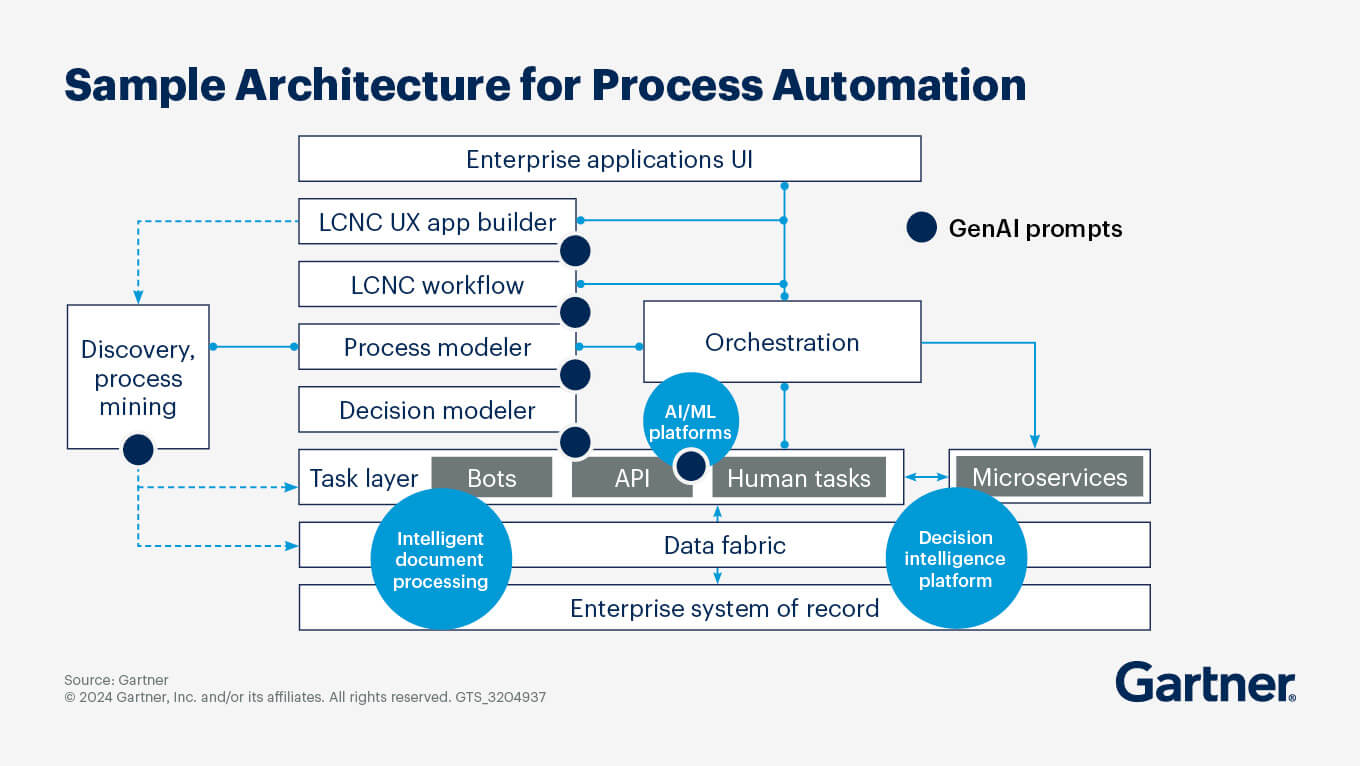
The Best AI Automation Tools at a Glance
| Tool | Best For | Key Features | Pricing |
|---|---|---|---|
| Harness | After-code automation | Deployment pipelines, CI/CD, feature flags | Custom pricing |
| Runable | AI-powered automation | AI agents, 3000+ connectors | Custom pricing |
| Zapier | Workflow automation | 2000+ apps, integrations | From $19.99/month |
Quick Navigation:
- Harness for after-code automation
- Runable for AI-powered automation
- Zapier for workflow automation
Introduction to After-Code Automation
In the world of AI development, much attention is given to the coding and initial deployment phases. However, what happens after the code is written is equally critical. This is where Harness steps in, offering solutions for the 'after-code' gap — the suite of processes that occur post-deployment, such as monitoring, scaling, and iterating on AI models.
Understanding the 'After-Code' Gap
The 'after-code' gap refers to the range of activities that follow the initial deployment of AI models. These tasks can include performance monitoring, scaling, updating, and maintaining the AI systems to ensure they meet the desired outcomes. Ignoring this phase can lead to inefficiencies, increased costs, and subpar performance.
Why Automation Matters in AI
Automation in AI goes beyond simply improving efficiency; it's about enabling AI systems to operate at scale reliably and consistently. This is crucial in environments where AI plays a central role in business operations. Automation helps reduce human error, speeds up processes, and provides a framework for continuous integration and delivery (CI/CD).
Case Study: Harness's Impact on AI Deployment
Consider a company using AI to manage customer service inquiries. Initially, they might deploy a basic chatbot to handle common queries. However, as the volume and complexity of inquiries grow, they need to scale and refine their AI systems. Harness enables this by automating the deployment and scaling processes, ensuring the AI can handle increased demand without degradation in service quality.
Key Features of Harness's AI Automation
Harness provides a comprehensive suite of tools designed to address the after-code gap. These include:
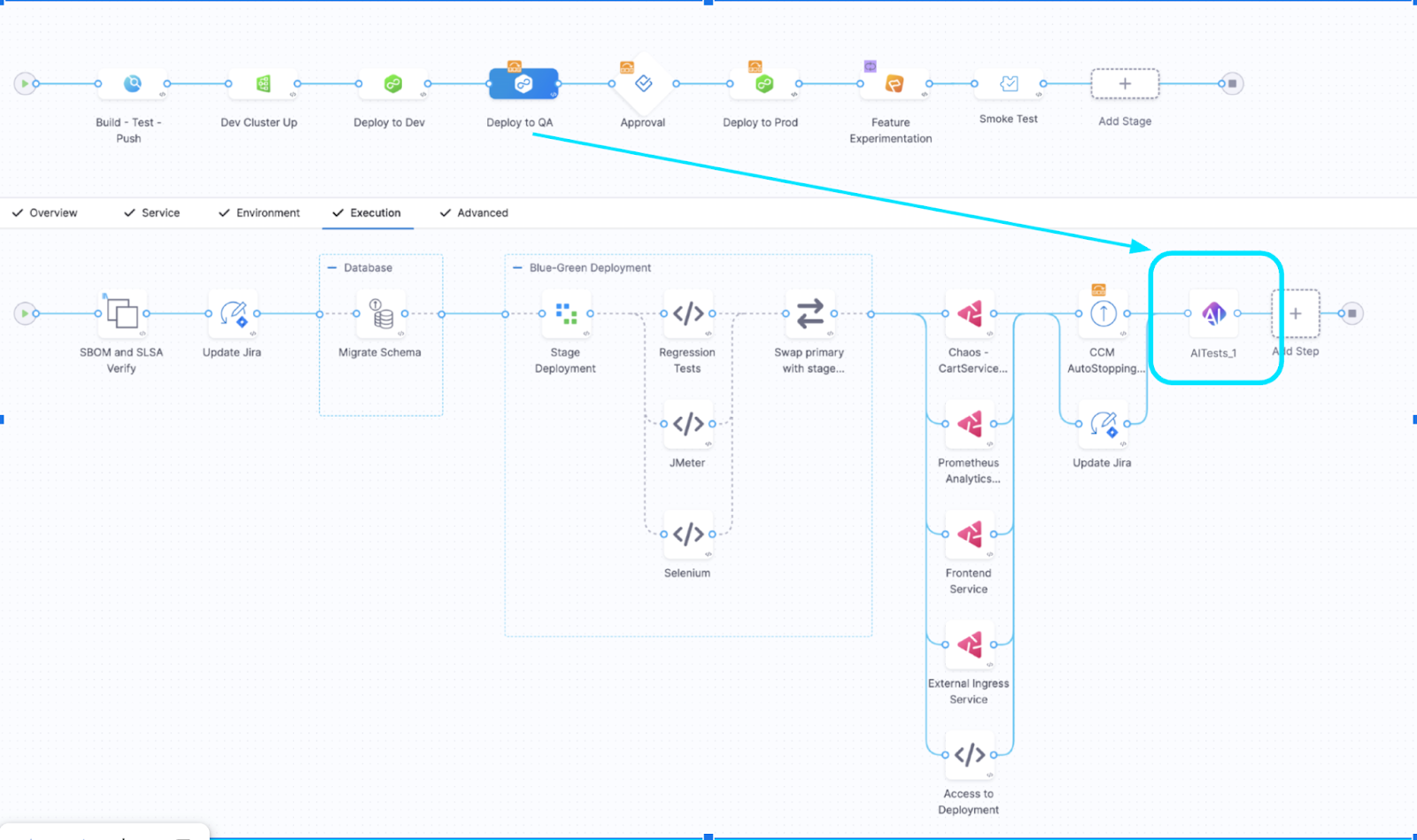
- Deployment Pipelines: Automate the deployment of AI models, reducing the manual effort required and minimizing errors.
- Continuous Integration and Delivery (CI/CD): Streamlines the integration of new code and features, ensuring that updates do not disrupt existing operations.
- Feature Flags: Allow for the controlled rollout of new features, providing the ability to test changes in production environments safely.
Practical Implementation: Best Practices
To effectively leverage Harness's capabilities, consider the following best practices:
- Define Clear Objectives: Before automating, clearly define what you aim to achieve with your AI models. This ensures that automation aligns with business goals.
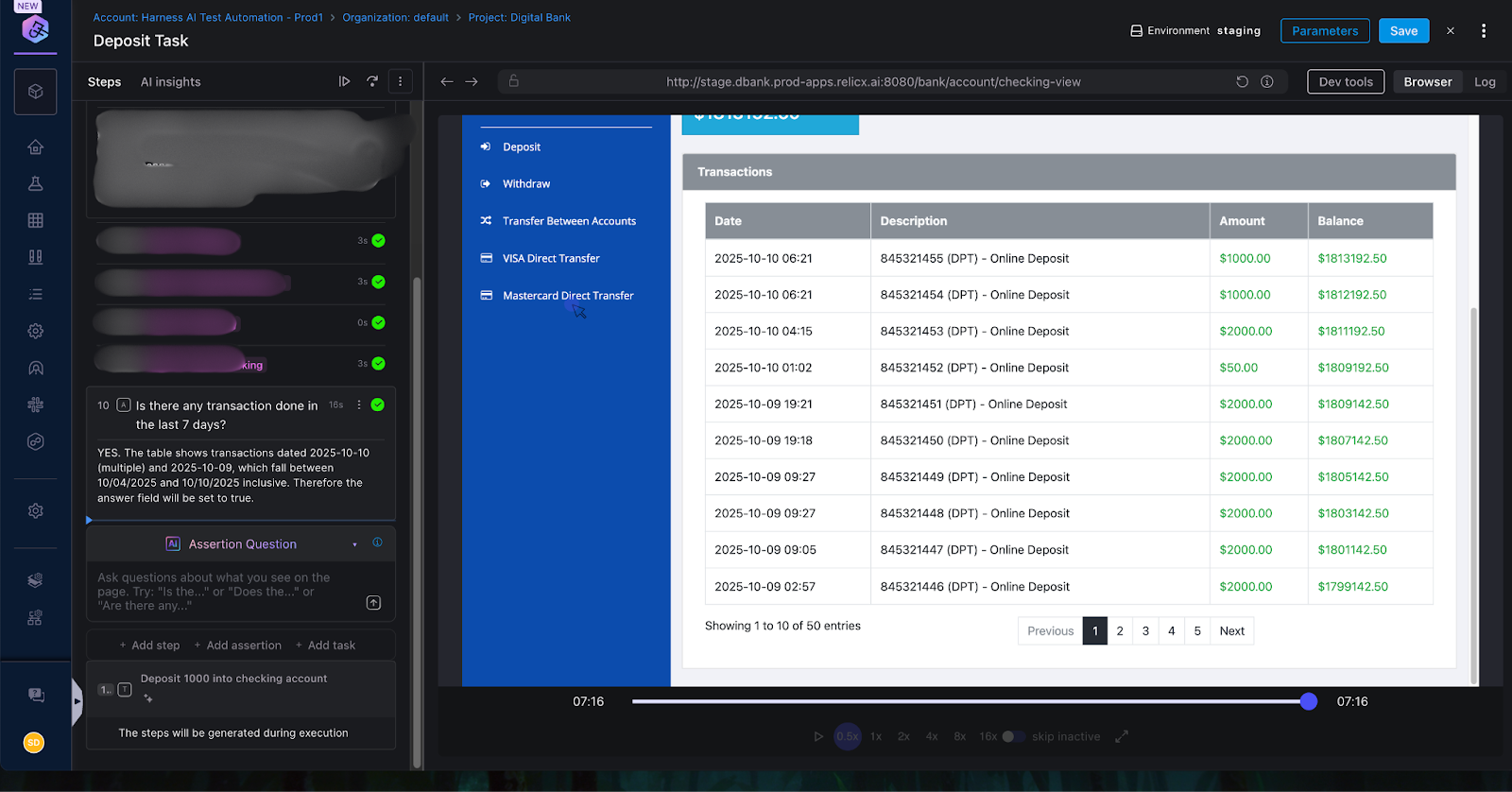
- Monitor Continuously: Use automation to keep track of model performance and scalability continuously. This helps in identifying issues early and adjusting strategies accordingly.
- Iterate Rapidly: With automation, you can implement changes quickly and effectively, allowing for rapid iteration and improvement of AI models.
Common Pitfalls and How to Avoid Them
Even with robust tools like Harness, challenges can arise. Here are some common pitfalls and strategies to overcome them:
- Over-automation: It's easy to fall into the trap of automating everything. Focus automation efforts on areas that provide the most significant return on investment.
- Ignoring Human Oversight: Automation should complement human oversight, not replace it. Ensure that critical decisions remain in human hands.
- Lack of Scalability Planning: Automation can scale processes, but without proper planning, this can lead to resource constraints. Regularly review and adjust your infrastructure to match demand.

Future Trends in AI Automation
As AI continues to evolve, so too will the landscape of automation. Here are some trends to watch:
- Increased Integration with Cloud Services: As cloud platforms expand their AI offerings, expect more seamless integration between AI models and cloud-based automation tools.
- Enhanced Security Features: With the rise of automation, secure deployment and operation will become even more critical, leading to advancements in security protocols.
- AI-Driven Automation: AI itself will play a role in further automating processes, creating a self-improving cycle of efficiency and innovation.
Conclusion
Harness's recent funding round and valuation highlight the importance and potential of automating the after-code gap. As the industry continues to innovate, companies like Harness set the standard for what is possible, offering tools that not only simplify processes but also enable businesses to unlock the full potential of their AI investments.
FAQ
What is Harness's after-code gap?
The after-code gap refers to the suite of processes that occur after AI model deployment, such as monitoring and scaling, which Harness automates to improve efficiency.
How does Harness automate AI processes?
Harness automates AI processes using tools like deployment pipelines, CI/CD, and feature flags to streamline post-deployment tasks.
What are the benefits of AI automation with Harness?
Benefits include reduced human error, faster deployment, and the ability to scale AI operations efficiently.
What challenges are associated with AI automation?
Challenges include over-automation, inadequate human oversight, and lack of scalability planning, which can be mitigated with strategic planning.
What future trends are expected in AI automation?
Future trends include increased integration with cloud services, enhanced security features, and AI-driven automation for improved efficiency.
Key Takeaways
- Harness's $5.5 billion valuation underscores the value of automating AI's post-deployment phase.
- Automation of the 'after-code' gap improves operational efficiency and scalability.
- Practical implementation involves setting clear objectives and continuous monitoring.
- Avoid over-automation by focusing on high-impact areas and maintaining human oversight.
- Future trends will see greater AI-cloud integration and enhanced security measures.
Related Articles
- [2025] ChatGPT's Transformative Impact on Business & Tech
- [2025] Federal vs State AI Regulation Showdown
- [2025] Claude Opus 4.5 vs Gemini 3 Pro: A Clear Winner Emerges
- [2025] Claude Code and Slack: Revolutionizing AI-Driven Coding
- [2025] GPT-4 Vision: Multimodal Breakthrough Explained
- [2025] Marvell to Buy Celestial AI for Up to $5.5 Billion


