
![[2025] Fortnite Returns to Google Play: What It Means for Mobile Gaming](https://runable.blog/blog/2025-fortnite-returns-to-google-play-what-it-means-for-mobil/image-1-1765530709288.png)
[2025] Fortnite Returns to Google Play: What It Means for Mobile Gaming
Fortnite's journey back to the Google Play Store marks a pivotal moment not just for Epic Games but for the entire mobile gaming industry. This event isn't just about one game; it's a testament to the evolving landscape of app stores, legal battles, and the future of digital marketplaces. In this article, we'll dive deep into what this return means for developers, gamers, and the tech industry at large.
TL; DR
- Epic's Victory: Fortnite is back on Google Play, after a 5-year legal battle.
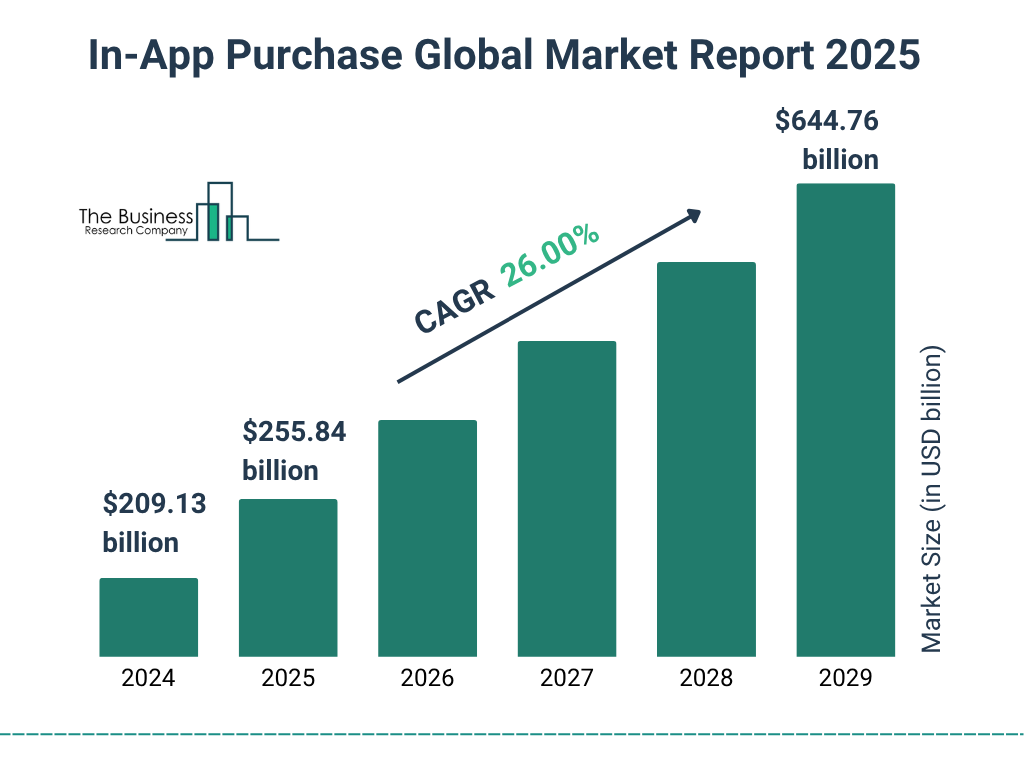
- Revenue Sharing: The case highlights the critical issue of in-app purchase commissions.
- Future Implications: This sets a precedent for other developers challenging platform fees.
- User Impact: Gamers gain more purchase flexibility within apps.
- Bottom Line: The mobile gaming landscape is shifting towards more developer-friendly policies.
The Best Mobile Gaming Platforms at a Glance
| Platform | Best For | Key Features | Pricing |
|---|---|---|---|
| Google Play Store | Android users | Wide app variety, Google services | Free access |
| Apple App Store | iOS users | Curated apps, strict guidelines | Free access |
| Runable | AI automation | No-code solutions, 3000+ connectors | $9/month |
Quick Navigation:
- Google Play Store for Android users
- Apple App Store for iOS users
- Runable for AI-powered automation
Legal Battles: A Turning Point in Mobile Gaming
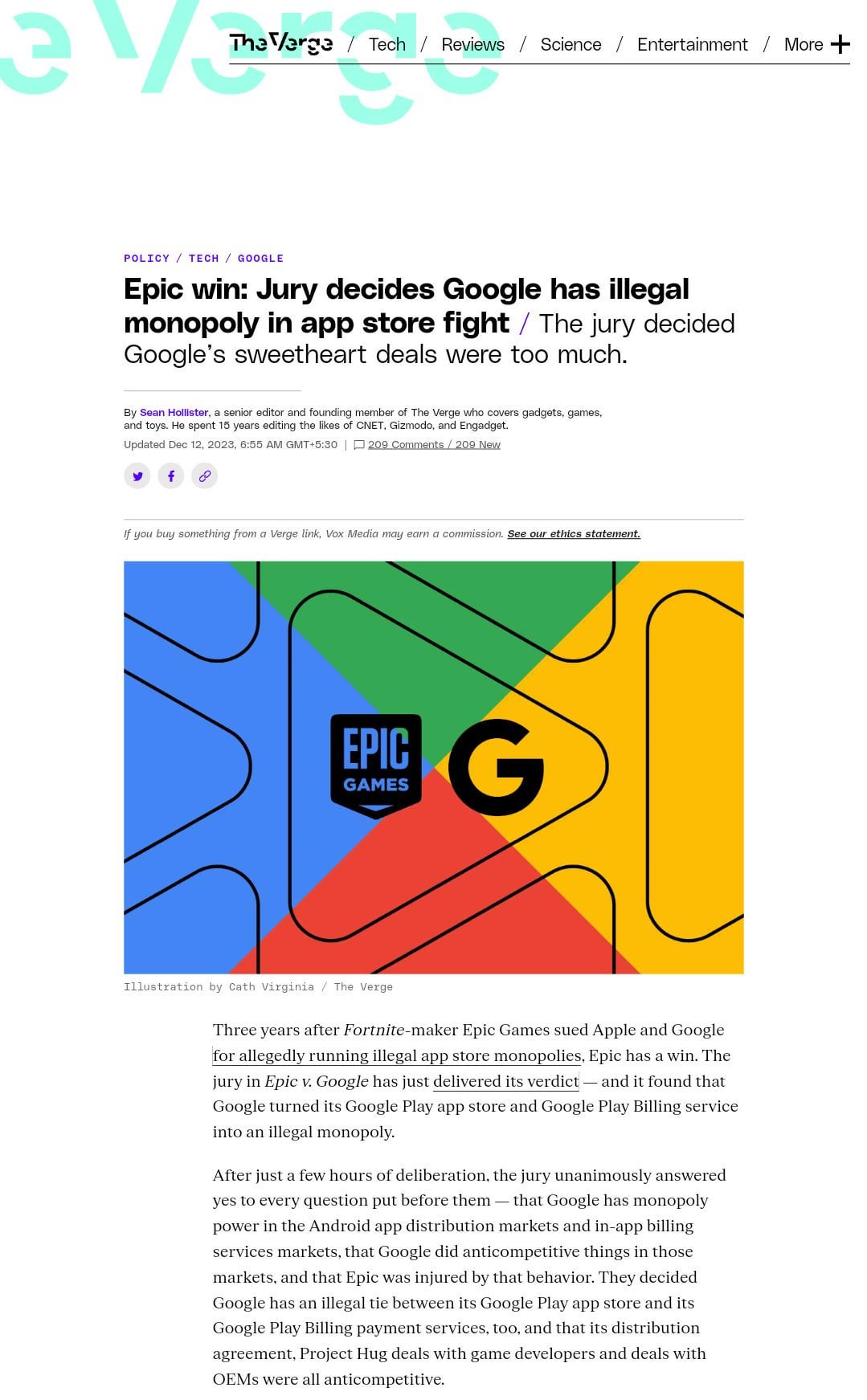
Epic Games' legal battle with Google and Apple has been a defining moment for the mobile app ecosystem. At the heart of the dispute was the hefty commission fees—up to 30%—that app stores charge on in-app purchases. Epic Games challenged this model, arguing that it stifled competition and innovation.
Epic's Strategy
Epic strategically bypassed Google Play's payment system by allowing Fortnite players to make in-app purchases directly through Epic's payment platform. This move violated Google's policies, leading to Fortnite's removal from the store. However, it also spotlighted the restrictive nature of the app store's fee structures.
"This is a fight for the freedom of consumers and developers," stated Tim Sweeney, CEO of Epic Games.
A Partial Victory
While Epic Games managed to return Fortnite to Google Play, the legal victory was only partial. The court ruling required Google to allow alternative payment systems but did not eliminate the commission fees entirely. This decision sets a precedent, encouraging other developers to push for similar rights.
The Technical Implications of Fortnite's Return
From a technical perspective, the return of Fortnite to Google Play could lead to significant changes in how apps are developed and monetized.
In-App Purchase Models
With the new ruling, developers can now explore alternative in-app purchase models. This could lead to more competitive pricing and innovative monetization strategies, benefiting both developers and consumers.
Developer Tools and APIs
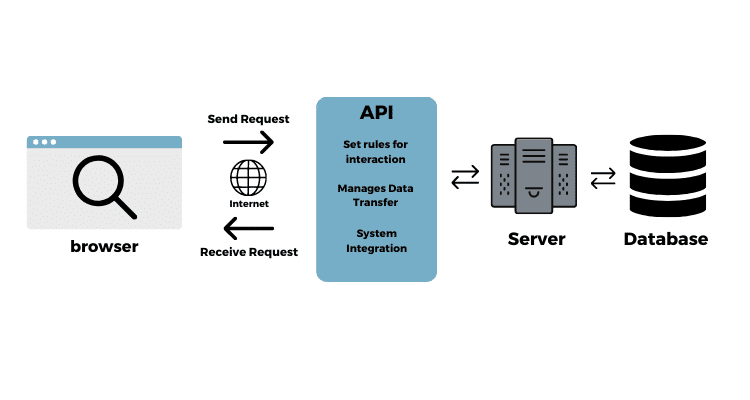
Developers will need to adapt their apps to support multiple payment systems. This may involve integrating new APIs or developing custom payment solutions. Platforms like Runable could play a critical role here, providing tools to streamline these integrations.
Impact on Gamers
For gamers, Fortnite's return to Google Play means more than just being able to download the app again. It offers greater flexibility and potentially lower prices on in-app purchases.
Enhanced Gaming Experience
Gamers can expect a more seamless experience with fewer interruptions related to payment processes. This could lead to increased engagement and user satisfaction.
Community and Social Features
With its return, Fortnite could roll out enhanced community features, leveraging Google's ecosystem to integrate with other services like YouTube and Google Play Games, enhancing the social aspect of gaming.
Future Trends in Mobile Gaming
The return of Fortnite to Google Play is just the beginning. Here are some trends we can expect to see in the mobile gaming industry:
Decentralized Marketplaces
The push for alternative payment systems could eventually lead to more decentralized app marketplaces. These platforms would offer lower fees and more freedom for developers, challenging the dominance of Google and Apple.
Blockchain and NFTs
Blockchain technology and NFTs could become more mainstream in mobile games. This technology offers new ways to monetize games, such as through digital collectibles and decentralized marketplaces.
AR and VR Integrations
The future of mobile gaming could also see greater integration with augmented reality (AR) and virtual reality (VR). These technologies offer immersive experiences that could redefine gaming on mobile devices.
Practical Implementation Guide for Developers
For developers looking to adapt to these changes, here are some practical steps:
Embrace Alternative Payment Systems
Start by researching and implementing alternative payment systems. This could include integrating third-party payment processors or developing your own.
Focus on User Experience
Ensure that any new payment systems are seamlessly integrated into your app. A clunky or confusing payment process can deter users and hurt revenue.
Stay Ahead of Trends
Keep an eye on emerging technologies and trends, such as blockchain and AR. Being an early adopter can give you a competitive edge.
Common Pitfalls and Solutions
Pitfall: Security Risks
Opening up apps to multiple payment systems can introduce security vulnerabilities.
Solution: Implement rigorous security protocols and regularly update your app to protect against threats.
Pitfall: User Confusion
Users may be confused by multiple payment options and pricing models.
Solution: Clearly communicate the available options and their benefits to users through intuitive design and clear messaging.
Recommendations for Developers
- Adopt Flexible Payment Models: Consider offering a subscription model or a freemium model with optional in-app purchases.
- Leverage Data Analytics: Use analytics to understand user behavior and optimize your monetization strategies.
- Enhance Social Features: Integrate social features to increase user engagement and build a community around your app.
- Invest in Marketing: Promote your app through various channels to reach a broader audience and drive downloads.
- Stay Compliant: Ensure your app complies with all platform policies and legal requirements to avoid future issues.
Conclusion
The return of Fortnite to the Google Play Store is a landmark moment that could reshape the future of mobile gaming. By understanding the implications and preparing for the changes, developers and gamers alike can benefit from a more open and competitive app marketplace.
Use Case: Automate your app's payment system integration with Runable to save time and resources.
Try Runable For FreeFAQ
What is the significance of Fortnite's return to Google Play?
Fortnite's return signifies a shift towards more flexible app store policies, potentially reducing commission fees and opening new opportunities for developers.
How does this affect in-app purchases?
Developers can now use alternative payment methods, which could lead to more competitive pricing and innovative monetization strategies.
What are the benefits for gamers?
Gamers benefit from potentially lower prices and a more seamless payment experience, enhancing overall satisfaction.
How can developers adapt to these changes?
Developers should explore alternative payment systems, focus on user experience, and stay informed about emerging technologies.
What are the security implications of using multiple payment systems?
Using multiple payment systems can increase security risks. Developers must implement strong security measures to protect user data.
Will this lead to changes in app store policies?
This case sets a precedent that could lead to broader changes in app store policies, making them more developer-friendly.
How can developers stay compliant with new policies?
Developers should regularly review app store policies and legal updates to ensure compliance and avoid potential issues.
What role does Runable play in this context?
Runable offers tools to simplify the integration of alternative payment systems, helping developers adapt to new market conditions efficiently.
Key Takeaways
- Fortnite's return marks a pivotal moment for app store policies.
- Developers gain more flexibility with alternative payment systems.
- Security and user experience are critical when implementing new systems.
- Future trends include blockchain and AR/VR in mobile gaming.
- Runable can aid in adapting to new payment system integrations.
- The legal battle sets a precedent for more developer-friendly policies.
- Gamers benefit from more seamless and potentially cheaper in-app purchases.
- Staying compliant and informed is crucial for developers.


