
![[2025] Disney's Legal Battle with Google: Understanding the Copyright Dispute](https://cdn.decrypt.co/resize/1024/height/512/wp-content/uploads/2025/12/Disney-Decrypt4-scaled-gID_7.jpg)
[2025] Disney's Legal Battle with Google: Understanding the Copyright Dispute
The world of copyright law is no stranger to high-profile battles, but when two giants like Disney and Google clash, the ripple effects can be felt across the entire digital landscape. In a recent development, Disney has sent a cease-and-desist letter to Google, alleging massive copyright infringement through the use of AI models and services. This article dives into the depths of this dispute, offering an expert analysis on the implications, potential outcomes, and future trends.
TL; DR
- Massive Copyright Claims: Disney accuses Google of using AI to distribute unauthorized content.
- AI's Role in Copyright: The dispute highlights the complex role of AI in content creation and distribution.
- Legal Precedents: Previous cases could influence the outcome of this dispute.
- Industry Impact: The case could redefine digital content laws.
- Future Recommendations: Companies need to reassess AI usage policies.
The Backbone of the Dispute: Copyright Law and Its Evolution
Copyright law has been around for centuries, evolving to protect the creative works of individuals and companies. At its core, copyright law ensures that creators have control over how their works are used, distributed, and monetized. But with the advent of digital technology and AI, the boundaries of copyright protection are being tested like never before.
Historical Context
Understanding the current dispute requires a look back at how copyright law has evolved. Initially designed to protect printed works, copyright law expanded over the years to include music, films, and digital content. The digital revolution, however, has introduced new challenges, particularly with the rise of AI technologies.
AI and Copyright: A Complex Relationship
The integration of AI in content creation and distribution adds layers of complexity to copyright law. AI can generate content that closely resembles copyrighted works, raising questions about ownership and infringement. According to the World Intellectual Property Organization, the lack of clear guidelines on AI-generated content creates legal gray areas that companies like Disney and Google must navigate.
The Allegations: Disney's Claims Against Google
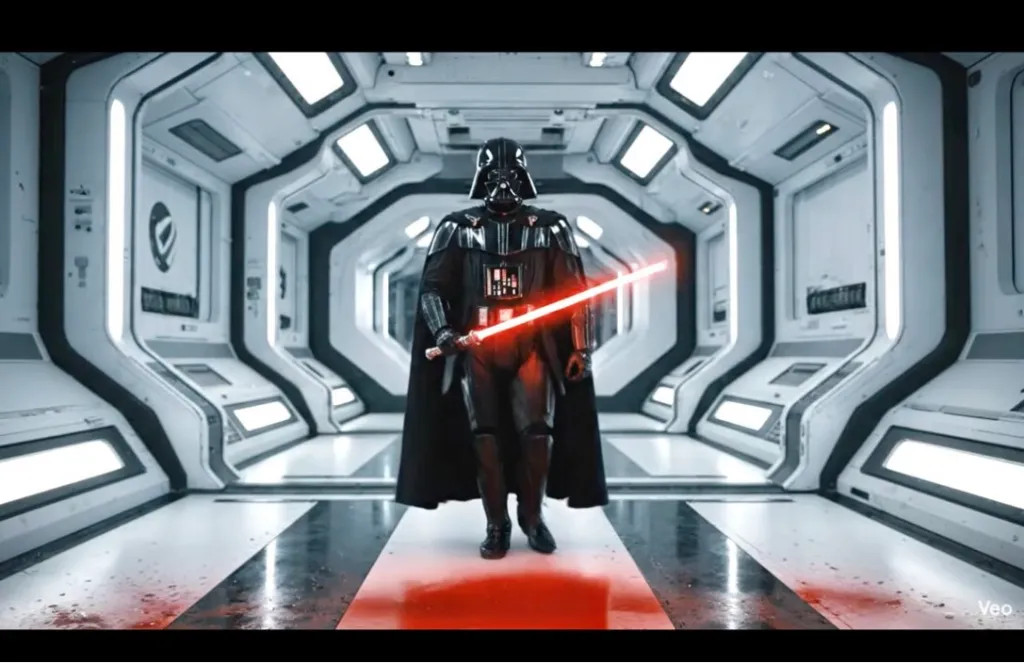
Disney's cease-and-desist letter accuses Google of using AI to distribute unauthorized images and videos on a massive scale. This claim, if proven, could have far-reaching consequences for how AI technologies are used in the content industry.
Understanding Disney's Position
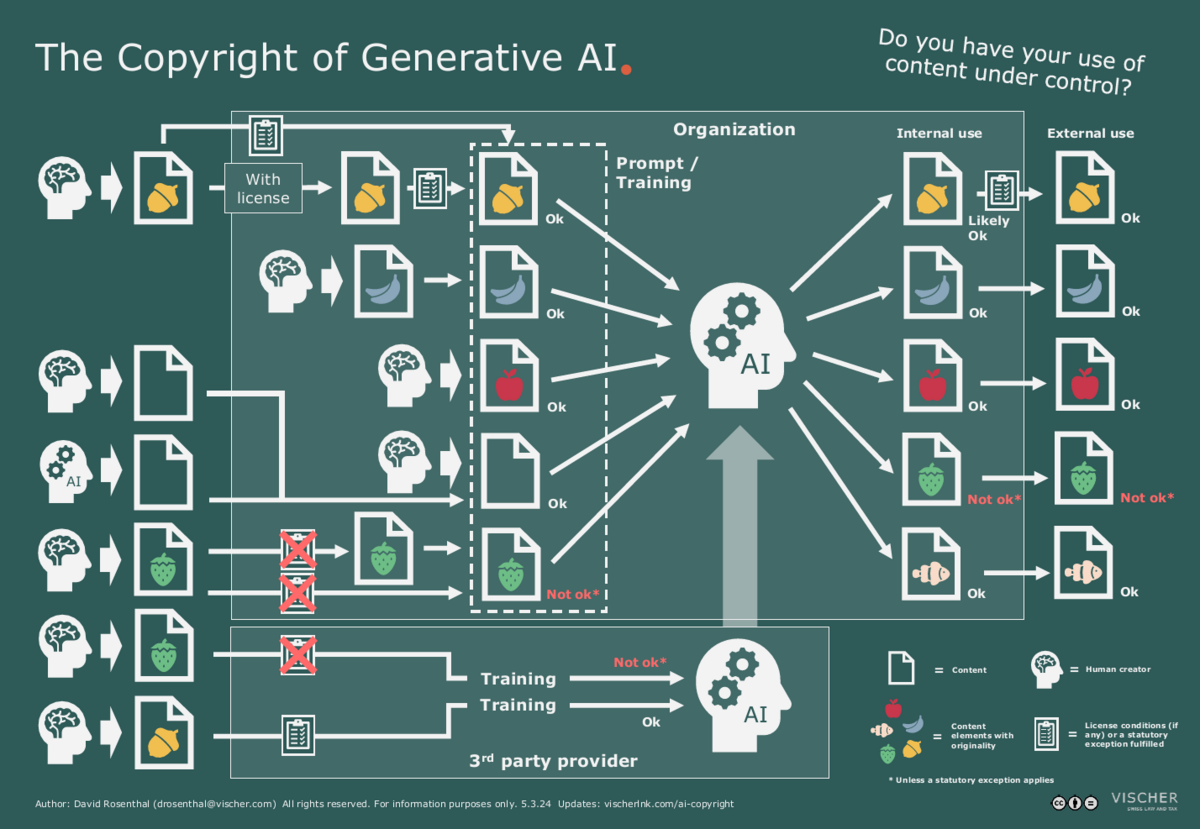
Disney's allegations are rooted in the belief that Google's AI models have been trained on copyrighted Disney content, leading to the unauthorized distribution of similar works. This raises critical questions about the legality of using copyrighted material to train AI models.
Google's Defense
While the specifics of Google's defense remain under wraps, the company is likely to argue that its use of AI falls under fair use provisions. Fair use is a legal doctrine that permits limited use of copyrighted material without permission from the rights holder, under certain conditions.
The Legal Landscape: Precedents and Implications
The outcome of this legal battle could set important precedents for future cases involving AI and copyright.
Key Legal Precedents
Several past cases have shaped the legal landscape of digital copyright. The case of Authors Guild v. Google, for example, involved Google's mass digitization of books and set important precedents regarding fair use in the digital age.
Potential Implications
If Disney succeeds, it could lead to stricter regulations on AI training data, impacting tech companies worldwide. Conversely, a victory for Google might bolster the use of AI in content generation, encouraging innovation but also raising concerns about copyright enforcement.
AI in Content Creation: The Double-Edged Sword
AI's ability to create content that mimics human work is both a boon and a bane for the creative industry.
Opportunities and Challenges
AI offers incredible opportunities for content creation, from automating video editing to generating graphics. However, these capabilities also pose challenges, particularly around originality and ownership. The Electronic Frontier Foundation warns that without proper oversight, AI could undermine the rights of original creators.
Best Practices for AI Use in Media
To navigate these challenges, companies should adopt best practices for using AI in content creation. This includes transparent documentation of AI training data, obtaining licenses for copyrighted material, and implementing robust content monitoring systems.

Industry Impact: How the Disney-Google Dispute Could Reshape Digital Media
The outcome of this dispute could have significant implications for digital media companies, influencing everything from content distribution to AI development.
Shifting Industry Norms
Should Disney prevail, we might see a shift towards more stringent content monitoring and licensing practices. This could lead to increased operational costs for tech companies but also ensure fair compensation for content creators.
The Role of Policy Makers
Policy makers will play a crucial role in shaping the future of AI and copyright. By establishing clear guidelines, they can help balance innovation with the rights of creators, fostering an environment where both can thrive.
Practical Implementation: Navigating Copyright in the AI Era
For companies leveraging AI, understanding and adhering to copyright laws is more important than ever.
Steps for Compliance
- Audit AI Training Data: Regularly review and document the sources of AI training data to ensure compliance with copyright laws.
- Implement Licensing Agreements: Secure licenses for all copyrighted materials used in AI models.
- Develop Content Monitoring Tools: Use AI-driven tools to monitor for unauthorized distribution of copyrighted content.
- Stay Informed: Keep abreast of legal developments in copyright law to anticipate changes.
Common Pitfalls and How to Avoid Them
- Ignoring Fair Use Limits: Ensure that your use of copyrighted material falls within fair use provisions to avoid legal issues.
- Failure to Document: Maintain detailed records of AI training data and licensing agreements to defend against potential claims.

Future Trends: The Road Ahead for AI and Copyright
As AI continues to evolve, so too will the challenges and opportunities it presents for copyright law.
Emerging Technologies
Advancements in AI, such as deep learning and generative algorithms, will continue to push the boundaries of content creation and copyright. Companies must adapt by developing more sophisticated AI models that respect copyright laws.
Recommendations for Companies
To thrive in this evolving landscape, companies should focus on innovation within the bounds of copyright law. This includes investing in AI ethics research, forming partnerships with rights holders, and advocating for fair and clear copyright policies.
Conclusion
The Disney-Google copyright dispute is a bellwether for the challenges and opportunities presented by AI in the content industry. As the legal battle unfolds, it will likely influence future policies and practices, shaping the way we understand and manage copyright in the digital age. For companies, staying informed and proactive in their approach to AI and copyright is not just a legal necessity but a strategic advantage.
FAQ
What is the Disney-Google copyright dispute about?
Disney has accused Google of using AI to distribute copyrighted content without authorization, leading to a legal battle over the roles of AI and fair use in copyright law.
How does AI complicate copyright law?
AI can create content that closely resembles copyrighted works, raising questions about ownership and infringement, particularly when AI models are trained on copyrighted material.
What are the potential outcomes of the Disney-Google dispute?
If Disney wins, it could lead to stricter regulations on AI training data and content distribution. A victory for Google might encourage the use of AI in content creation while raising concerns about copyright enforcement.
How can companies ensure compliance with copyright laws when using AI?
Companies should audit AI training data, secure licenses, implement content monitoring tools, and stay informed about legal developments to ensure compliance with copyright laws.
What trends are shaping the future of AI and copyright?
Emerging technologies such as deep learning are pushing the boundaries of content creation and copyright, necessitating more sophisticated AI models and clearer copyright policies.
How might this dispute impact digital media companies?
The dispute could lead to more stringent licensing practices and operational changes for tech companies, impacting everything from content distribution to AI development.
What role do policy makers play in the AI and copyright landscape?
Policy makers are crucial in establishing guidelines that balance innovation with the rights of creators, fostering an environment where both can thrive.
Why is it important for companies to focus on AI ethics?
Focusing on AI ethics can help companies innovate responsibly, ensuring that their AI practices respect copyright laws and support fair compensation for creators.
What are some best practices for using AI in media?
Best practices include transparent documentation of AI training data, obtaining licenses for copyrighted material, and implementing robust content monitoring systems.
Key Takeaways
- Disney has accused Google of using AI to distribute copyrighted content without authorization.
- The dispute highlights the complex relationship between AI and copyright law.
- A Disney victory could lead to stricter regulations on AI training data.
- Google may argue its AI use falls under fair use provisions.
- The case could have significant implications for digital media companies and copyright policies.
Related Articles
- [2025] AI's Role in Widening Global Inequality
- [2025] Anthropic Advances with Opus 4.5 Against Google, OpenAI
- [2025] Ilya Sutskever on AI's Future: Ending the Scaling Era
- AI Ethics and Safety: Safeguards and Responsibility
- YouTube's Custom Feed: Revolutionizing User Experience
- ChatGPT: AI's Impact on Mental Health and Manipulative Behavior


